Portuguese
  Spanish


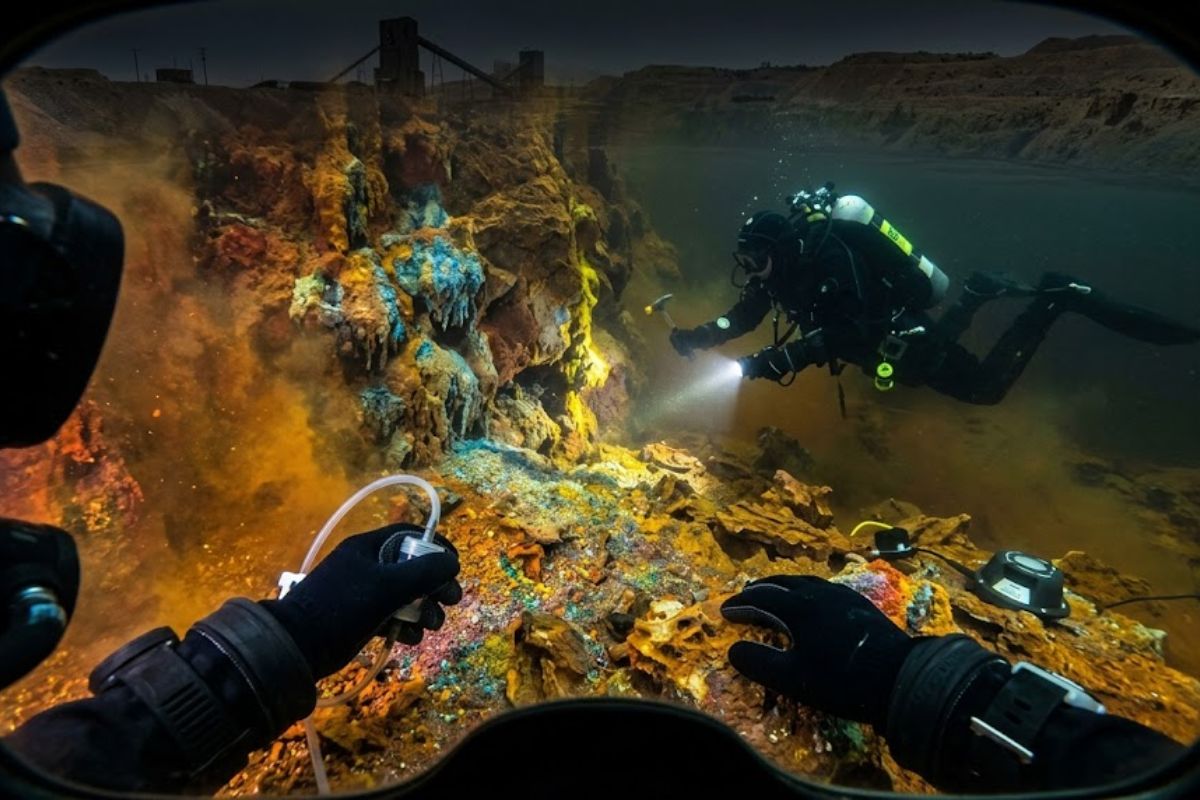

The Berkeley Pit, in Butte, Montana, is a lake of 190 billion liters of acidic water that remains from an abandoned copper mine since 1982, with metal concentrations 5,000% above the limit for drinking water, and now scientists have found the complete set of 17 rare earth elements ready to be filtered.
The logic is simple yet surprising. When mining stopped and the pumps were turned off, groundwater and rain flooded the 1.6 km long and over 540 meters deep pit. This water came into contact with sulfide minerals exposed by mining, reacted with the air, and produced natural sulfuric acid that spent decades dissolving metals and rare earth elements trapped in the surrounding rock. This process is called acid mine drainage, and the result is a giant open-air chemical reactor.
What surprised researchers is that this reactor did not only concentrate copper and zinc. It accumulated the complete spectrum of rare earth elements, including neodymium, praseodymium, and dysprosium, essential elements for manufacturing the magnets that spin inside wind turbines and electric car motors. Global demand for these elements will grow as countries invest in renewable energy and electric mobility.
Why extract rare earth elements from a toxic lake instead of opening a new mine

Rare earth elements are not actually rare in nature. They are spread throughout the Earth’s crust, but rarely appear in high enough concentrations to justify mining.
-
She spent 73 years breathing inside an iron lung, survived the aftereffects of polio, and became the last woman in the United States dependent on the equipment before dying at 78 years old.

-
Brazilian students created a $1 filter using pine bark, cotton, and 3D-printed parts to clean cassava wastewater, reduce the toxicity of a hazardous waste, and transform contaminated water into biofertilizer.

-
Astronaut from Artemis II steps down after mission to the Moon and decision surprises after a record of 406,771 km, a historic 10-day journey, and an unprecedented achievement for Canada.

-
A fossil kept for years in a small museum in Montreal concealed 450-million-year-old soft tissue, a discovery that has only happened once before in history.


Extracting and refining these elements by conventional methods generates significant environmental impact, requires large-scale excavation, and involves heavy chemical processing.
In the Berkeley Pit, the acidic chemistry has already done the hardest part: it has pulled the metals from the rock and dissolved them in the water.
Hydrogeologist Jackson Quarles, who leads the research at the site, uses a submersible equipped with a 4K camera and sediment collector to map where these elements are most concentrated.
According to him, the lake contains a complete distribution of rare earth elements that has not been found anywhere else in the United States.
In most deposits, one or two elements from the group appear. In the Berkeley Pit, all 17 appeared.
What makes this lake different from any other rare earth deposit in the world

The elements are still dissolved in the water and have not precipitated to the sediment at the bottom.
This means that processing is much simpler than it would be if researchers had to deal with solid rock or mineralized sludge.
The team is testing chemical techniques that specifically bind to rare earths, separating them from other toxic metals present in the solution.
And it has a double benefit: by removing the metals from the water, the process reduces the contamination of the lake. Extracting rare earths and cleaning up pollution are the same operation.
The idea is still in its early stages and will not replace conventional mining tomorrow, but it could reduce the need to open new holes in the future.
The Berkeley Pit was designated by the EPA as a Superfund site in 1987, which requires those responsible for the pollution to fund the cleanup.
Is there proof that this type of restoration works in practice
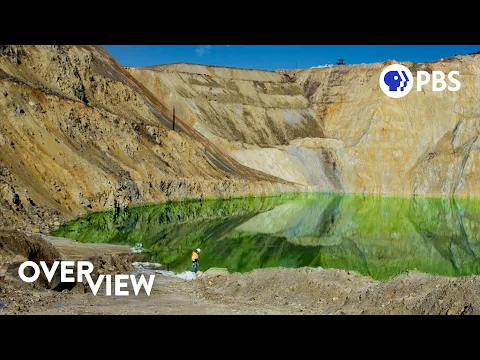

A few kilometers from the Berkeley Pit, Milltown State Park shows that it does.
The site was a dam that accumulated over 3 million tons of sediment contaminated by mining waste.
After years of work, the dam was removed, 4 km of river channel were re-engineered, and tens of thousands of trees were planted.
The park opened to the public in 2018 and now operates with fishing, hiking, and wildlife where there were once piles of toxic waste.
The Berkeley Pit will not return to what it was before mining.
But the same chemistry that poisoned the lake is concentrating the elements that the modern world needs.
If the extraction proves viable, one of the biggest disasters in American mining could turn into a demonstration that cleaning up the past and fueling the future can be the same thing.
And you, do you think Brazil should invest in extracting rare earths from mining waste instead of opening new mines, or should both paths go together? Comment below.