Portuguese
  Spanish


The Brazilian Navy Carried Out Operation “Weapons Launch IV/2024” in Cabo Frio, Surprising with Missile and Bomb Launches. Helicopter and Fighter Squadrons Showcased Their Strength in a Real Military Training, Proving the Brazilian Naval Force’s Capacity to Act with Precision and Effectiveness in Combat Situations.
The natural beauty of Cabo Frio, known for its stunning beaches and crystal-clear waters, was temporarily overshadowed by a display of military might that left many residents and tourists in awe.
Between September 12 and 15, the Brazilian Naval Force executed Operation “Weapons Launch IV/2024,” which consisted of a series of real weapons launches approximately 165 nautical miles off the coast of Rio de Janeiro.
This event was not only a show of force but also a unique opportunity to train crews under real combat conditions.
-
U.S. Air Force Launches Air-to-Air Missile Project with Range of Up to 1,850 km for Indo-Pacific Operations

-
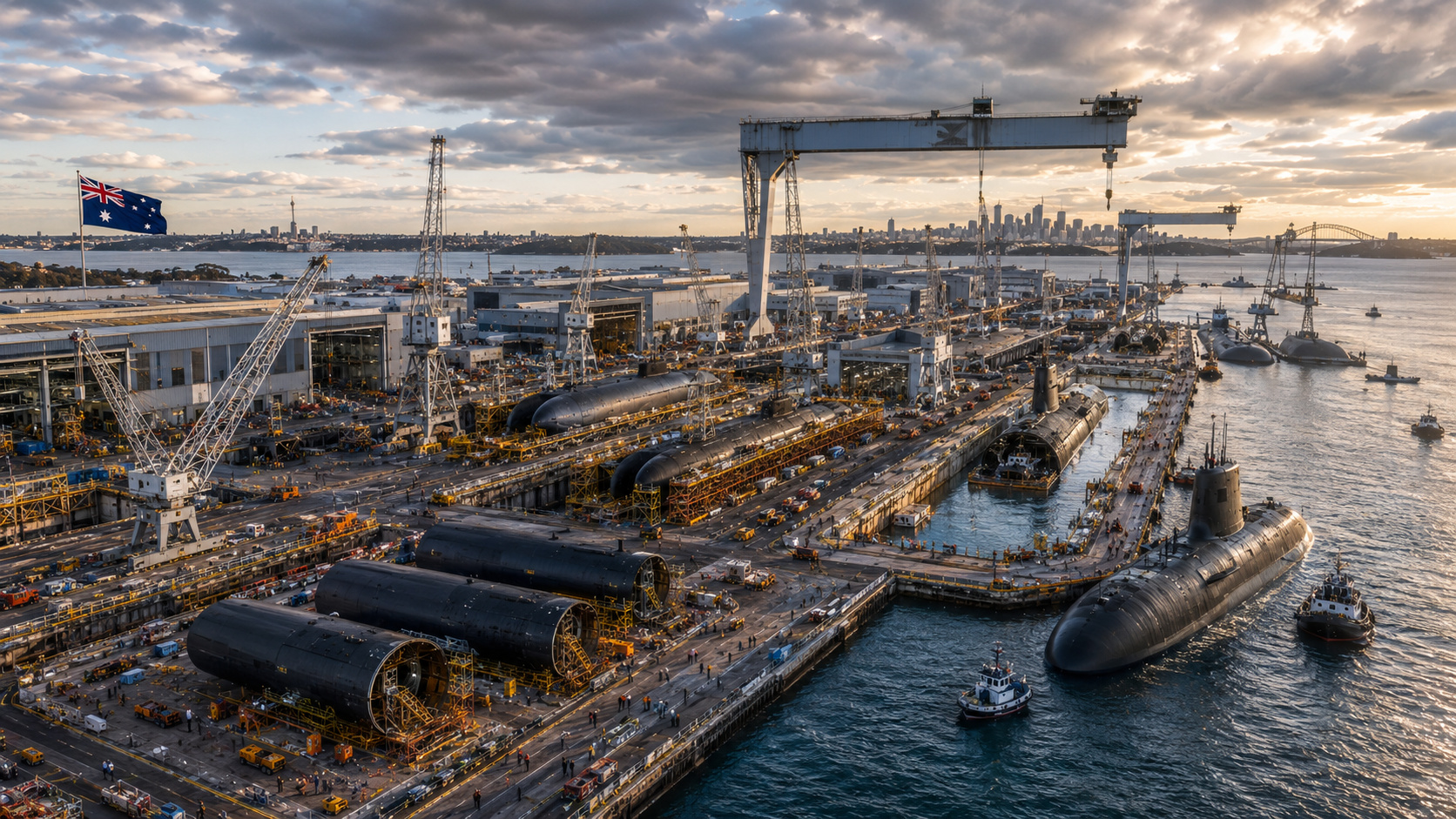
Australia to Deploy Up to 8 Nuclear-Powered Submarines in Indo-Pacific, Establishes Billion-Dollar Naval Chain Through AUKUS, Joining Elite Group Capable of Extended Underwater Missions

-
Indonesia Begins Construction of 2,000-Ton Scorpène Stealth Submarines with Advanced Weaponry and French Steel

-
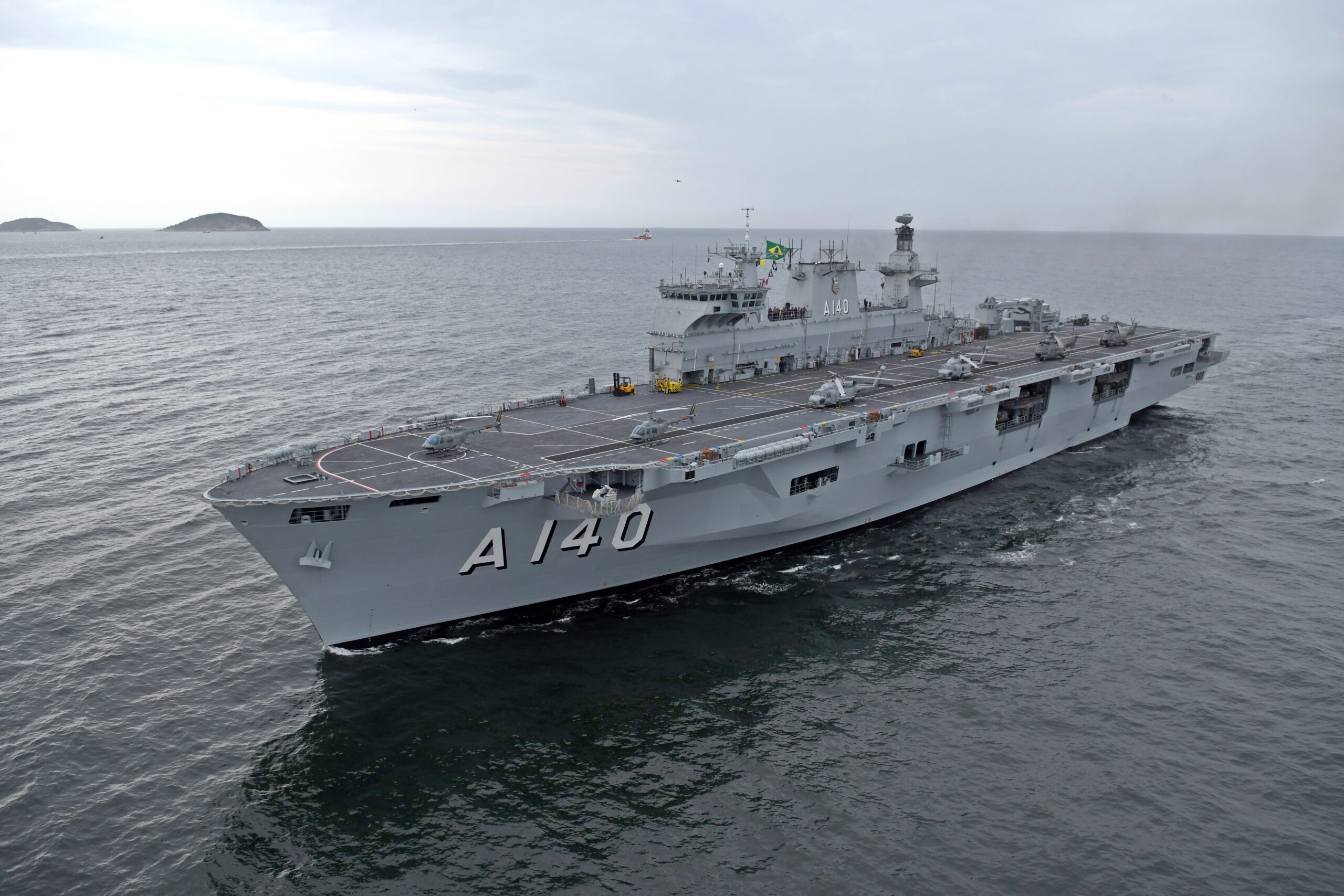
Brazil’s Largest Navy Ship, NAM Atlântico, Transforms into Field Hospital During National Crises



Large-Scale Military Operation
The operation involved the participation of specialized squadrons, each playing distinct but equally important roles.
According to the portal O Globo, the 2nd General Employment Helicopter Squadron (EsqdHU-2), the 1st Interception and Attack Aircraft Squadron (EsqdVF-1), the 1st Anti-Submarine Helicopter Squadron (EsqdHS-1), and the 1st Reconnaissance and Attack Helicopter Squadron (EsqdHA-1) were the protagonists of this impressive display of skill.
According to the Naval Force Command (ComForAerNav), the main objective of this operation was to enhance training for crews in the procedures for preparation and weapon launch.
To do this, the former frigate “Greenhalgh” was used as a target, providing an ideal scenario for the exercise.
Air-to-Surface Missile Launches
The 1st Anti-Submarine Helicopter Squadron (EsqdHS-1) stood out by carrying out launches of “Penguin” MK2 MOD 7 air-to-surface missiles.
Using two SH-16 Seahawk aircraft, one operating from the Multipurpose Dock Ship (NDM) “Bahia” and the other from the Naval Air Base of São Pedro da Aldeia (BAeNSPA), six launches were carried out, with two occurring simultaneously.
This maneuver required a high level of coordination and precision, and the missiles hit the target with concentrated impact, demonstrating the effectiveness of the training.
Aerial Combat Patrol
The 1st Interception and Attack Aircraft Squadron (EsqdVF-1) played a crucial role in the operation, acting as an escort for the SH-16 aircraft during the Aerial Combat Patrol (PAC).
The two AF-1 Skyhawk aircraft of the squadron not only protected the helicopters but also dropped BGB-82 bombs and fired 20 mm machine guns.
This airstrike capability demonstrates the versatility of the Navy’s aircraft and their ability to perform multiple functions in a single combat scenario.
Depth Charges and Air Control
The 1st Reconnaissance and Attack Helicopter Squadron (EsqdHA-1) also actively participated, using its AH-11B Super Lynx aircraft to drop depth charges MK9.
This type of armament is essential for anti-submarine operations, and its use demonstrates the Navy’s capacity to deal with different types of threats.
The 2nd General Employment Helicopter Squadron (EsqdHU-2) played a prominent role as the “PDATAR” (Advanced Air Control Point), clarifying the area and coordinating the actions of other aircraft during engagement.
This function is crucial in military operations as it ensures that missions are performed safely and efficiently, minimizing risks to crews and increasing the likelihood of success.
The Importance of the Operation
Operation “Weapons Launch IV/2024” was not just a training exercise but a significant milestone in the training of the Brazilian Navy crews.
The real use of armaments in a controlled environment allows military personnel to familiarize themselves with combat conditions, enhancing their skills and response capabilities in emergencies.
Moreover, conducting this operation within the boundaries of Brazil’s Exclusive Economic Zone (EEZ) highlights the strategic relevance of the location, reinforcing national sovereignty over these waters.
International Visibility
The operation also serves as a warning to potential adversaries. The Brazilian Navy is modernizing and enhancing its operational capabilities, and events like this demonstrate a serious commitment to national defense.
With rising tensions in international relations, strengthening the armed forces is an important step to ensure the country’s security.
A Promising Future
With these displays of strength and capability, the Brazilian Navy not only reinforces its position as a regional military power but also increases the public’s confidence in its security.
The operation in Cabo Frio is a testament to the Armed Forces’ commitment to rigorous training and preparation for potential conflicts.
The images of the explosions and launches still resonate in the memory of those who witnessed the operation. Cabo Frio, famous for its natural beauties, is now also remembered for an event that reaffirms the importance of national defense.
What do you think about conducting military operations near cities? Does it bring security or cause concern?