






 Portuguese
  Spanish


Brazilian Egg Exports Surprised The Market In 2025, With Expressive Numbers Both In Volume And Revenue. ABPA Research Reveals The Historic Jump That Consolidated The Product As A Highlight In Foreign Sales.
Brazilian egg exports, including both raw and processed products, recorded a strong advance in August 2025. The survey by the Brazilian Animal Protein Association (ABPA) showed that the country shipped 2,129 tons in the month, a 71.9% increase compared to the 1,239 tons in the same period last year.
The revenue also showed an impressive result. It was US$ 5.729 million in August, a growth of 90.8% over the US$ 3.003 million obtained in the same month of 2024.
Year-To-Date Shows Surge
From January to August, shipments totaled 32,303 tons. This number represents an increase of 192.2% compared to the 11,057 tons recorded in the same period last year.
-
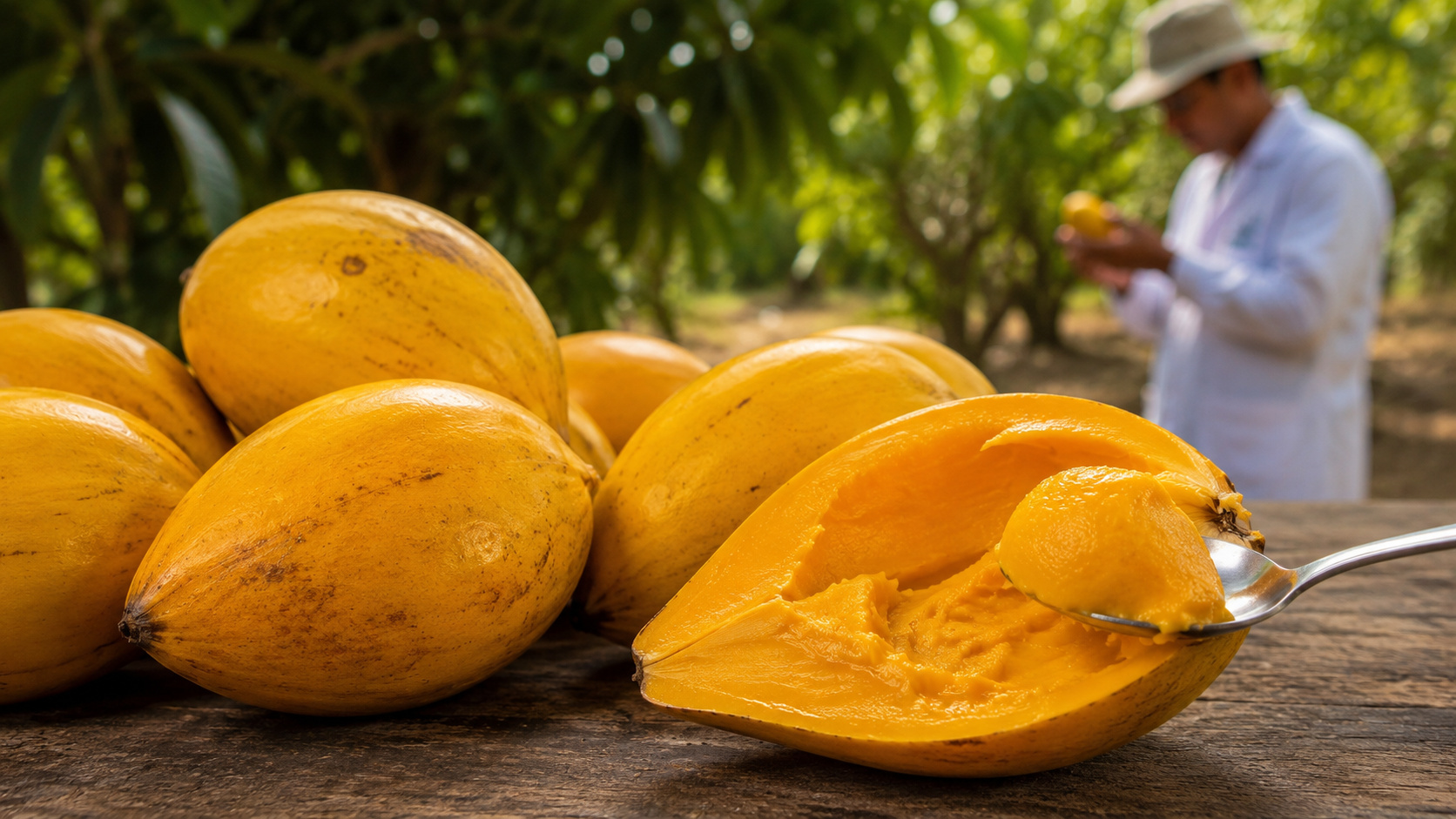
Rare Tropical Fruit Canistel, with Egg Yolk Color and Caramel Flavor, Gains Interest from Researchers and Small Producers in Brazil

-
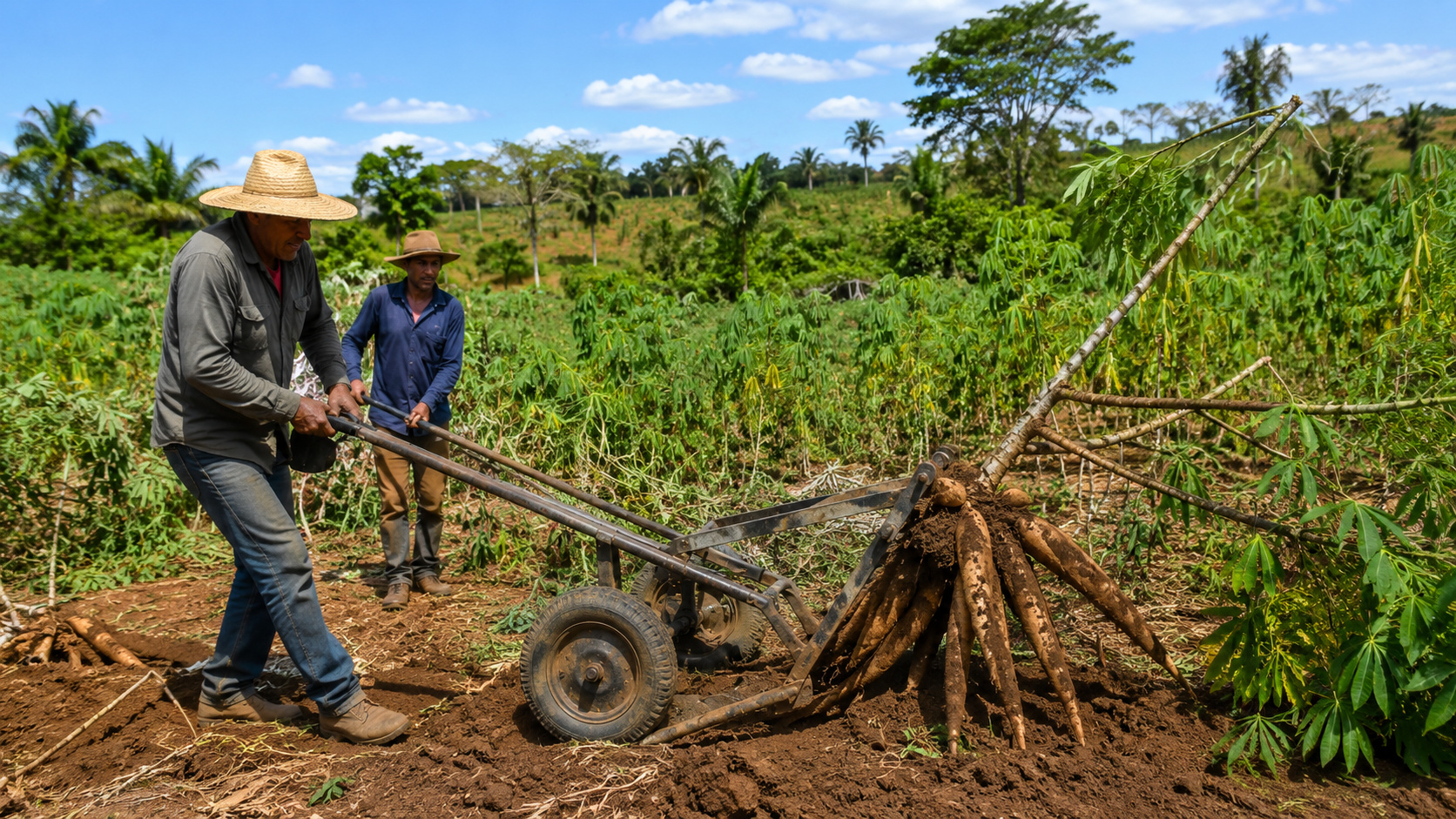
Brazilian Farmers Develop Wheeled Metal Lever to Ease Cassava Harvesting Without Heavy Machinery
-
Study of Brazil’s Tietê River Finds 25 Pesticides in Water, Including Cancer-Linked Substance Near Source
-
Young Entrepreneur Expands from 50 to 1,400 Chickens, Proving “Happy Hens” Can Be a Viable Business


The accumulated revenue is also striking. The sector generated US$ 75.295 million, a result 214.5% higher than the US$ 23.943 million achieved between January and August 2024.
Export Destinations
Japan was the main buyer in August, with 578 tons, an increase of 328.5%. The United States followed close behind, with 439 tons, a rise of 628.9%.
Mexico emerged as a new destination, importing 304 tons, with no previous shipments recorded in the same period. The United Arab Emirates resumed purchases, with 182 tons.
Chile, on the other hand, showed a decline of 79.6%, with 172 tons shipped.
Impacts And ABPA Assessment
According to the entity, the United States was affected by tariffs, which reduced the flow of shipments.
Despite this, new markets helped to compensate.
The president of ABPA, Ricardo Santin, highlighted that there is no expectation of impact on domestic supply.
This is because Brazil exports less than 2% of the national egg production.


