






 Portuguese
  Spanish


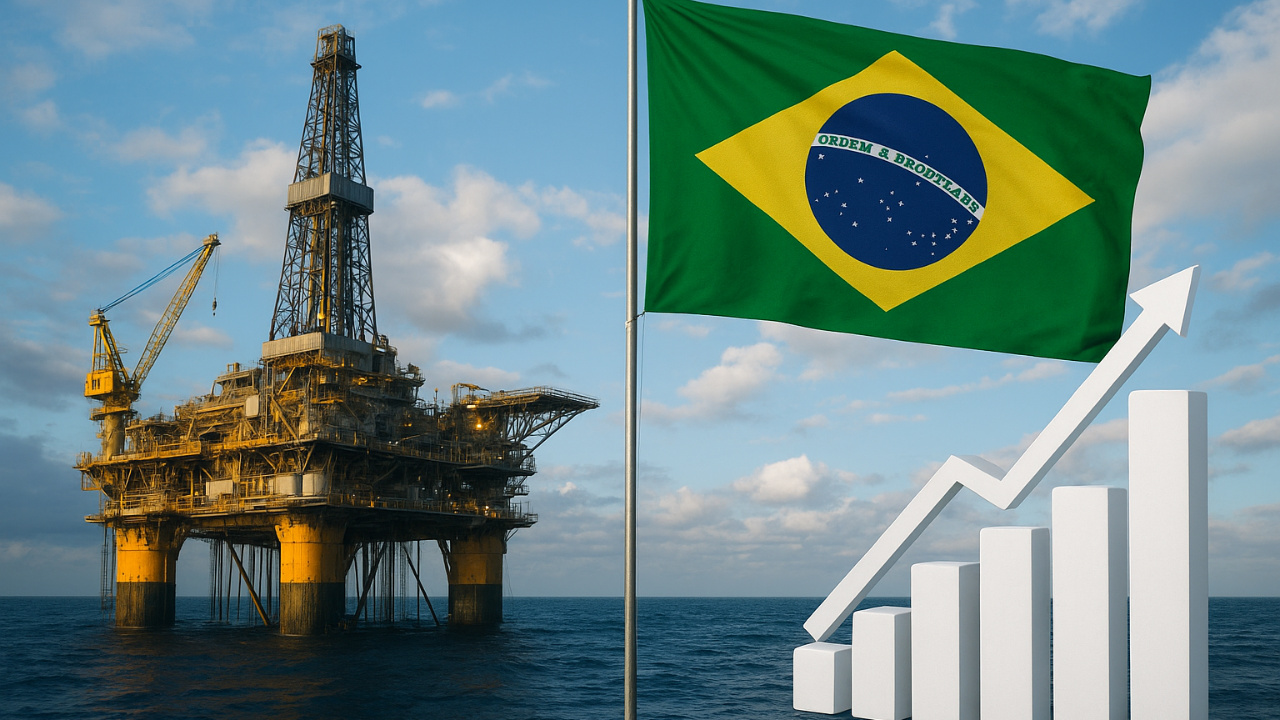

Industrial Growth in GDP in the Third Quarter Was Led by Oil and Gas Extraction, Which Advanced by 11.9% and Prevented a Greater Economic Contraction.
Despite clear signs of a slowdown in the Brazilian economy in the third quarter of 2025, a specific segment avoided a weaker Gross Domestic Product result: the industry, which performed above average, mainly supported by the extraction of oil and natural gas.
While GDP showed modest growth of only 0.1% compared to the previous quarter, industrial advancement helped balance the macroeconomic picture.
GDP Grows Little, but Annual Results Still Show Resilience
According to data from IBGE, Brazil’s GDP amounted to R$ 3.2 trillion in current values in the third quarter. The quarterly growth fell below market projections, which expected growth of 0.2%.
-
Petrobras Begins Drilling Controversial Oil Well in Brazil’s Equatorial Margin Near the Amazon River Mouth

-
Petrobras Sets Record with 2.66 Million Barrels Per Day in Brazil’s Pre-Salt Oil Production
-
Petrobras to Double Natural Gas Supply in Northeastern Brazil with New Investment
-
Petrobras Approves $1.2 Billion Refinery in Brazil to Produce Aviation Fuel and Diesel from Plants


Even so, compared to the same period in 2024, there was an annual increase of 1.8%. Over a 12-month period, the expansion reached 2.7%.
Despite this positive performance on an annual horizon, economists point to a slowdown in economic activity. In this context, the industry’s role was crucial in containing a more negative trajectory.
Industry Grows Above Average and Prevents Greater Deterioration of GDP
The industrial sector recorded an annual growth of 1.7%. The result stands out because it occurs in a traditionally volatile segment. The major driver of this growth was the performance of the extractive industries, which grew an impressive 11.9%.
According to economist Silvio Campos Neto from Tendências Consultoria, this growth is directly related to increased production of oil and gas.
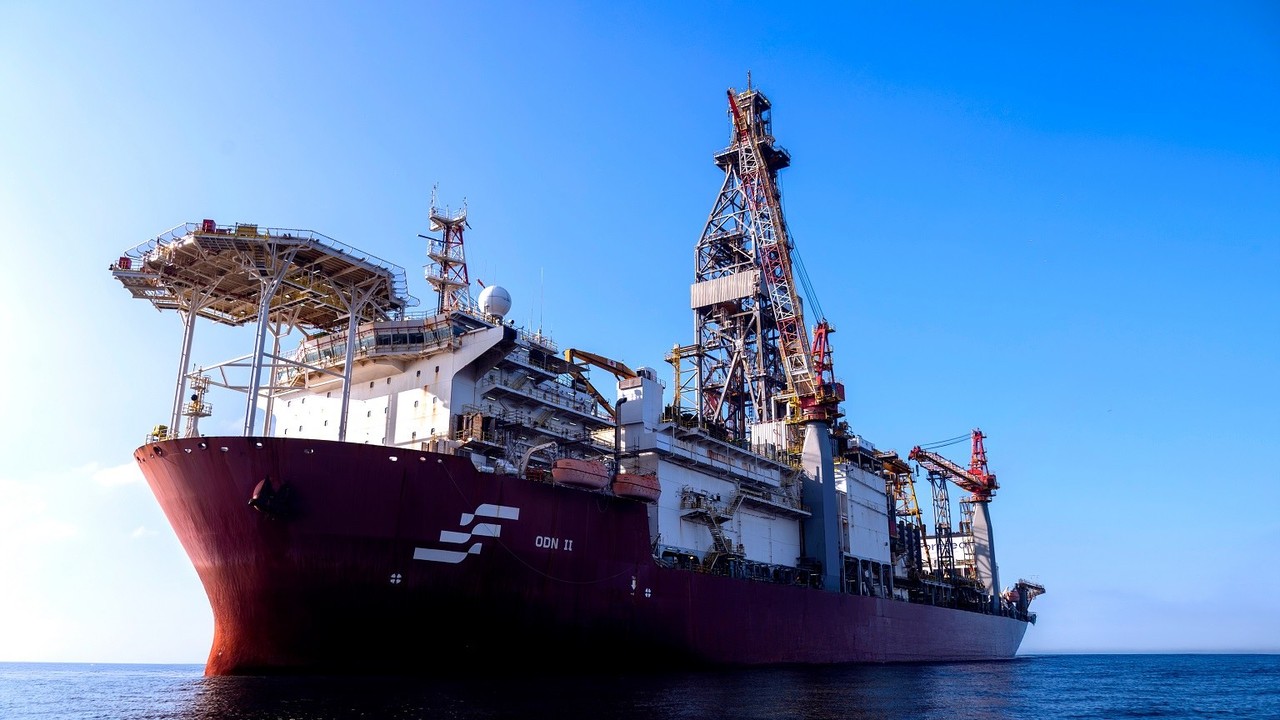
Offshore platforms continue to increase their volume and productivity, reinforcing Brazil’s position on the global energy map. Additionally, mining benefited from international demand for strategic minerals.
Construction Sector Responds with Support from the Labor Market and Public Programs
Another relevant highlight was the construction sector, which advanced by 2% during the period. The performance was favored by a still-resilient labor market and the resumption of housing programs.
The reactivation of Minha Casa, Minha Vida helped maintain the pace of construction. Regarding the sector, the economist states, “The sector has suffered from tighter monetary policies, but with the ongoing incentives and planned measures for next year, it tends to display a more favorable performance again.”
Manufacturing Industry Feels Pressure and Records Contraction
Despite the good numbers from the extractive activities, the manufacturing industry posted a decline of 0.6%. Segments such as coke and derived from oil, metal products, beverages, and wood led this downturn.
The result highlights structural challenges. Competition from Chinese products, high costs, and difficulties in achieving scale continue to affect domestic manufacturing.
According to Campos Neto, “Even with some relief after the tariff hike that impacted the sector in the first half, manufacturing remains in a challenging situation.” He also adds, “It is not a sector with a quick improvement outlook; obstacles are likely to persist in the coming months and even in the coming years.”
Electricity Sector Also Declines and Pressures Industrial Results
Not even the segment of electricity, gas, water, and waste showed positive performance. There was a decline of 1%, influenced by the red tariff flags that were in effect throughout the entire quarter.
The tariff impact reduced activity and contributed to slowing the broader industrial advancement.
Still, the strength of oil and gas extraction, combined with the performance of the construction sector, was crucial in ensuring that the industrial sector sustained part of the national GDP growth during a period marked by economic slowdown.


