






 Portuguese
  Spanish


Tools Made From Elephant And Hippopotamus Bones Were Found In The Olduvai Gorge And Indicate That Hominids Had Already Applied Advanced Techniques 1.5 Million Years Ago.
An archaeological find in the Olduvai Gorge in Tanzania revealed something surprising: a collection of tools made from bone dated at 1.5 million years.
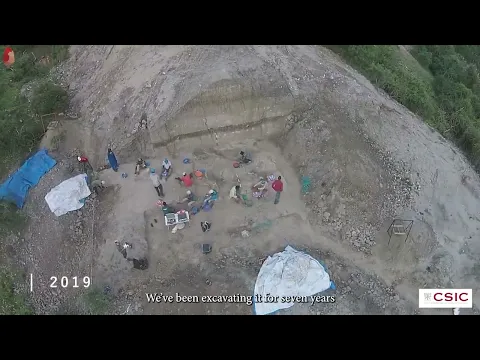
The discovery was made by paleoanthropologists studying the site known as Complex T69, in the Frida Leakey Korongo West Gully.
Use Of Bone As Raw Material For Tools
The researchers found 27 bones shaped like tools. Most of them came from large mammals, such as elephants and hippopotamuses.
-
Engineers Develop Jacket That Converts Air Humidity Into Drinkable Water, Producing Up to 900 ml Daily for Hikers, Campers, Rescuers, Rural Workers, and Military in Remote Areas

-
NASA Plans to Repurpose Mars Rover for Lunar Mission, Sending a 1-Ton Nuclear-Powered Vehicle to Explore the Moon’s South Pole Without Solar Dependence
-
Early Humans Made Beds Nearly 200,000 Years Ago in African Caves, Study Reveals

-
Japanese Smart Bike Detects Cyclist’s Intent to Turn and Potential Falls


These objects were carefully worked, with flaking similar to that applied in stone tools, according to explanations from the scientists involved.
This technique consists of removing small flakes from the material to form cutting edges.
The process, normally associated with stone, was adapted to bone, indicating a significant innovation on the part of the hominids of that time.
Cognitive Leap In Early Humans
The discovery surprised scholars by revealing a level of cognition that had not been associated with such ancient hominids before.
The bone tools precede by more than one million years other known evidence of systematic bone tool production.
“This shows that human ancestors were capable of transferring skills from stone to bone,” said Dr. Renata Peters from University College London.
She emphasized that this type of transfer requires complex thinking and adaptation, something rare for the studied period.

New Perspective On Ancestral Technology
According to Dr. Ignacio de la Torre from CSIC – Spanish National Research Council, this find indicates that early humans expanded their technological options. “They moved from using only stone to working with other raw materials, such as bone, ” he explained.
For him, this reflects an advancement in the mental and structural capabilities of hominids. According to the researcher, the mastery of techniques for transforming the material represents an evolution in the technical and cognitive repertoire of human ancestors.
Region With Tradition In Great Discoveries
The Olduvai Gorge is known for revealing important pieces of human history. This new find reinforces the importance of the region and shows that there is still much to be discovered about the habits and skills of early hominids.
The collection of bone tools reveals that humans 1.5 million years ago already demonstrated signs of creativity, adaptation, and technical thinking. These remnants may rewrite part of the timeline regarding the evolution of human technologies.


