Portuguese
  Spanish


Riverine Routine in Lower Madeira Reveals Distance from Urban Services, Movements Dependent on River Level, and Challenges that Change with Flooding and Drought, While Stilt Houses, Fishing, and Agriculture Sustain Communities like Ressaca, in Porto Velho, with Limited Infrastructure.
On the banks of the Madeira River, in the stretch known as Lower Madeira, riverine families maintain a routine marked by the distance from urban services and by a direct dependence on the river’s rhythm.
In the community of Ressaca, the journey to Porto Velho is mainly done by boat and can take about two hours, in a trip that varies according to water levels and weather conditions.
In practice, access to public services, shopping, documentation, and emergency support does not follow the logic of those who live near roads: the route is fluvial, and the community is subject to what the river allows at each period.
-
Bruno Guimarães, 28, Misses Crucial Penalty Against Norway in World Cup After Replacing Vinicius Jr.

-
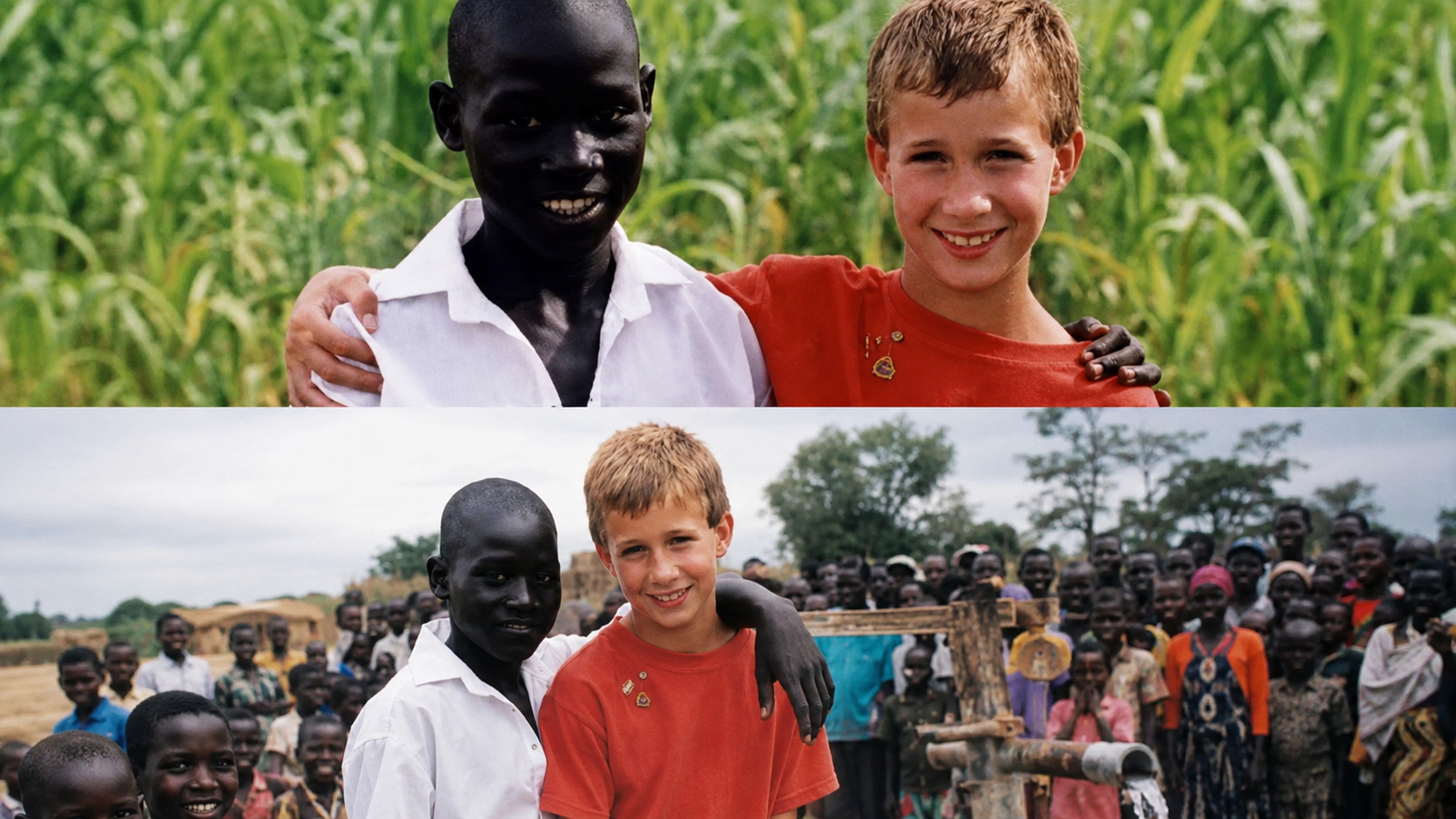
Inspired by a school lesson on Africa’s water crisis, a young boy raised money through chores to fund a well that transformed a Ugandan community.

-
Brazilian Construction Worker Moves to France, Earns Up to €2,500 Monthly with Home Renovations, Gains Social Media Attention

-
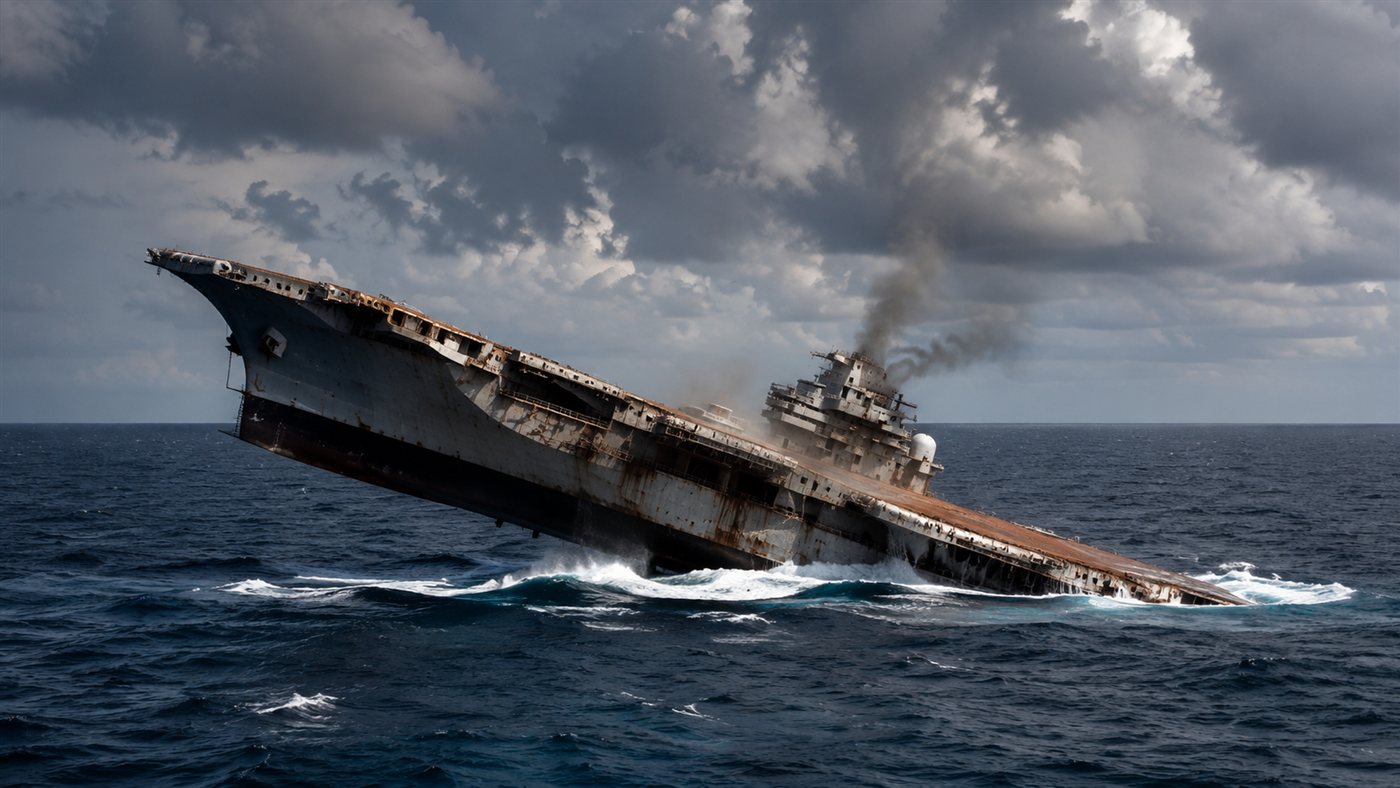
US Navy Sinks USS Oriskany with 230 kg of C-4, Creating World’s Largest Artificial Reef in 37 Minutes



Isolation in Lower Madeira and Logistics by Boat
Ressaca gathers more than 20 families who sustain their daily lives with activities such as fishing and agriculture, in a typical model of riverine communities in the region.
The isolation is not just geographical.
It appears when the crossing becomes expensive and slow, when a simple need requires planning, and when contact with public agencies depends on itinerant actions or long travels to the municipality seat.
Under these conditions, environmental events that alter the normal course of the river have an immediate effect on routine, mobility, and supply.
Stilt Houses and Adaptation to Floods of the Madeira River
Houses generally follow the pattern of riverine constructions adapted to the floodplain environment, with elevated structures.
In Lower Madeira communities, it is common for stilt houses to be used to reduce direct impacts from water during flooding periods, even though the rising river continues to pose risks and concerns.

In times of rapid rises, the municipal Civil Defense conducts monitoring and visits to riverine districts to guide residents, evaluate areas, and track the level of the Madeira River.
During one of these follow-ups, the city reported that teams were in Lower Madeira to provide support and guide riverine communities in light of the river’s elevation.
Drought, Drinking Water, and Civil Defense Response
At the opposite extreme, drought also profoundly alters living conditions.
The drop in the level of the Madeira affects navigation routes, the arrival of provisions, the availability of water, and access to more reliable collection points.
In initiatives aimed at addressing drought, Porto Velho City Hall reported that families in the medium and lower Madeira began to receive mineral water and sodium hypochlorite distribution, mentioning Ressaca among the locations served.
The same initiative noted that a municipal survey indicated about 700 families in the medium and lower Madeira facing difficulties related to the lack of drinking water, a scenario that highlights how the river’s variation has a direct impact on the health and water security of those who depend on it.
More Light for the Amazon and Access to Energy in Riverine Communities
Besides water, another critical point in the daily life of isolated communities is energy.
In remote areas, the absence of conventional networks has historically led families to rely on solutions like lanterns, generators, and localized electricity sources, usually with high costs and usage limitations.
In this context, public programs aimed at universal access to energy have taken a central role in Lower Madeira.
Reports and institutional announcements regarding the More Light for the Amazon Program indicate that riverine communities in Rondônia received systems with solar panels, installed to provide continuous electricity, with execution attributed to Energisa.
A publication about the Ressaca community describes that families were served by the program, aiming to replace more precarious solutions and expand access to energy in daily life.
Energy, Communication, and Changes in Routine
The arrival of electricity is far from just a matter of comfort.
In isolated locations, it can change food storage, the ability to charge devices, the use of lighting at night, and even communication with relatives and services, when reception is available.
It also affects productive routines, as riverine communities often combine fishing, planting, and domestic activities in a rhythm that starts early and ends when the light allows.
However, the change coexists with structural limitations: even with energy, distance continues to impose barriers to health care, access to markets, and constant presence of the public authority.

Flood and Drought: Immediate Impacts on Mobility and Supply
The case of Ressaca also draws attention for another aspect: the notion of isolation does not mean a complete absence of connection with the city, but rather a bond conditioned by the logistics of the river.
The trip to Porto Velho may depend on fuel, available vessels, weather, and navigation safety, and the return must consider purchases, medications, and what is necessary for a period without easy replenishment.
On days of heavy rain or rapid changes in water levels, the very predictability of the crossing can change.
In severe drought periods, the challenge may be finding navigable routes and maintaining minimum supply without making the journey longer and more expensive.
Vulnerability to Extreme Events in the Legal Amazon
The combination of flooding and drought reinforces the vulnerability of riverine communities to extreme events.
When the river rises, concern grows over material damage, losses, and risks to homes, and guidance and monitoring actions come into play.
When the river drops too much, the problem can shift to drinking water, navigation, and the arrival of supplies.
In both scenarios, public response tends to occur through technical visits, distribution of emergency items, and initiatives that attempt to reduce immediate impacts, while daily life remains marked by practical decisions, such as stockpiling what is possible and adapting schedules and routes.
Isolated Communities in Rondônia and Dependence on the River
Ressaca fits into a larger reality of the Legal Amazon, where hundreds of communities live far from urban centers and depend on rivers for mobility and livelihood.
In Rondônia, initiatives like More Light for the Amazon have been publicized as a way to reduce inequalities in access to essential services, especially for families in hard-to-reach areas.
Nevertheless, riverine life continues to require autonomy and a routine of planning that rarely appears on the maps of those living in regions with road transport and regular infrastructure.
Among stilt houses, gardens, and the logic of movement by water, what defines life in Ressaca is not just the natural scenery, but how distance reorganizes basic needs around the river.
With each flood and each drought, the community faces the same practical question: how to guarantee water, movement, and assistance when the main route changes shape throughout the year?
What should weigh more on public policies for communities like Ressaca: expanding permanent services in Lower Madeira or creating mobile structures capable of reaching more quickly when the river changes?