






 Portuguese
  Spanish


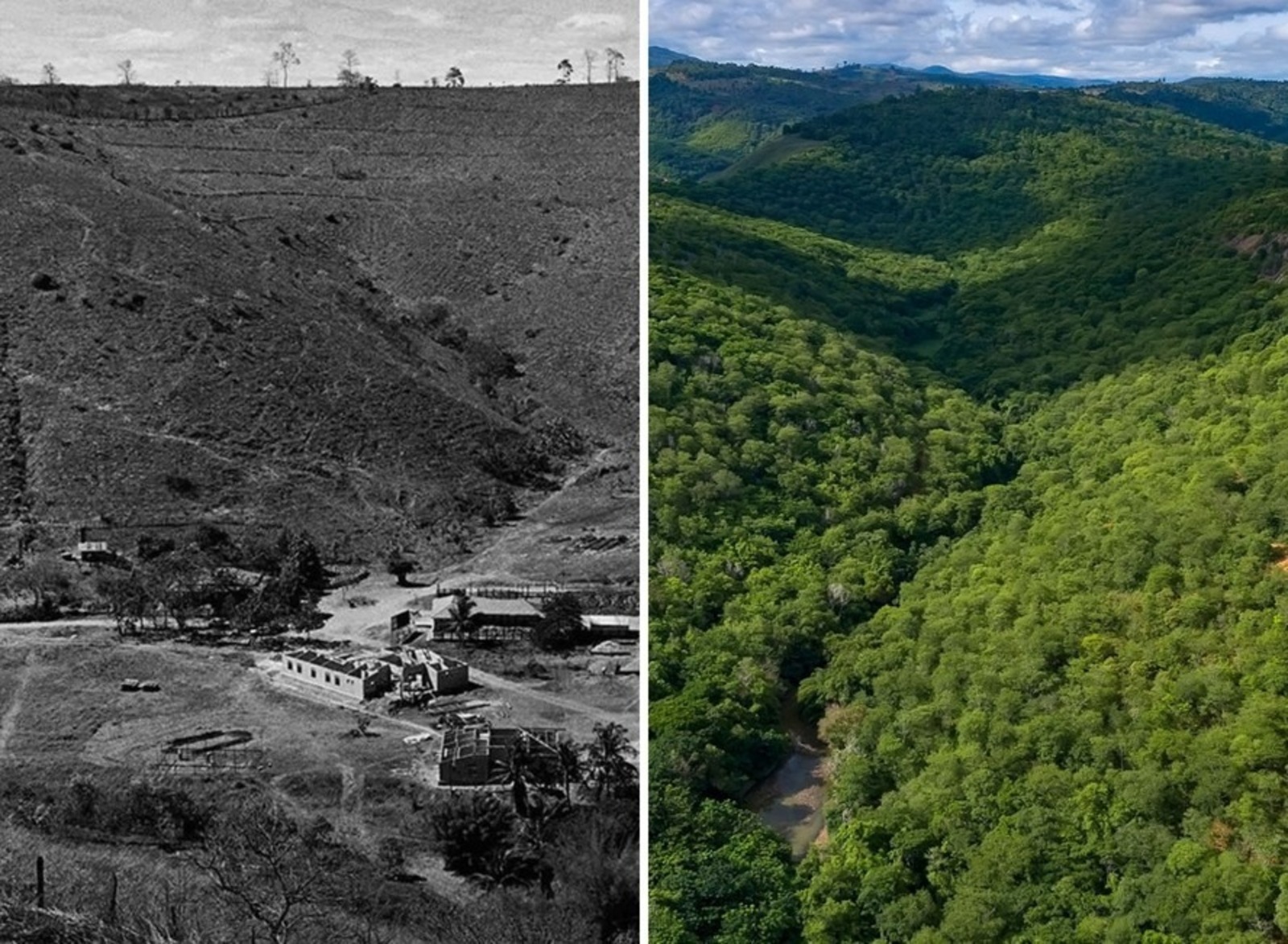


After Decades of Degradation in Aimorés, Sebastião Salgado and Lélia Wanick’s Initiative Transforms Farm into Atlantic Forest Reserve, with Scientific Reforestation, Recovery, Return of Biodiversity, and Official Recognition
The environmental recovery work led by Sebastião Salgado and Lélia Deluiz Wanick Salgado transformed a degraded farm in Aimorés, Minas Gerais, into a national and international reference, restoring over 600 hectares of Atlantic Forest over more than 25 years.
Origin of the Environmental Initiative
The initiative began in the late 1990s when Sebastião Salgado decided to restore an old family farm in Aimorés, in eastern Minas Gerais, which was then severely degraded.
The area had depleted soil, intense erosion, and almost no native vegetation, after decades of use for extensive livestock farming in the Rio Doce Valley region.
-
15-Year-Old Entrepreneur Malu Lira Publishes 20 Children’s Books on Financial Education, Earns $500,000, and Expands Her Project to the Amazon Rainforest

-
Entrepreneur Turns Rio Cemetery Canteen into a Successful Snack Chain Generating $4.9 Million Annually and Expanding to Metro Stations

-
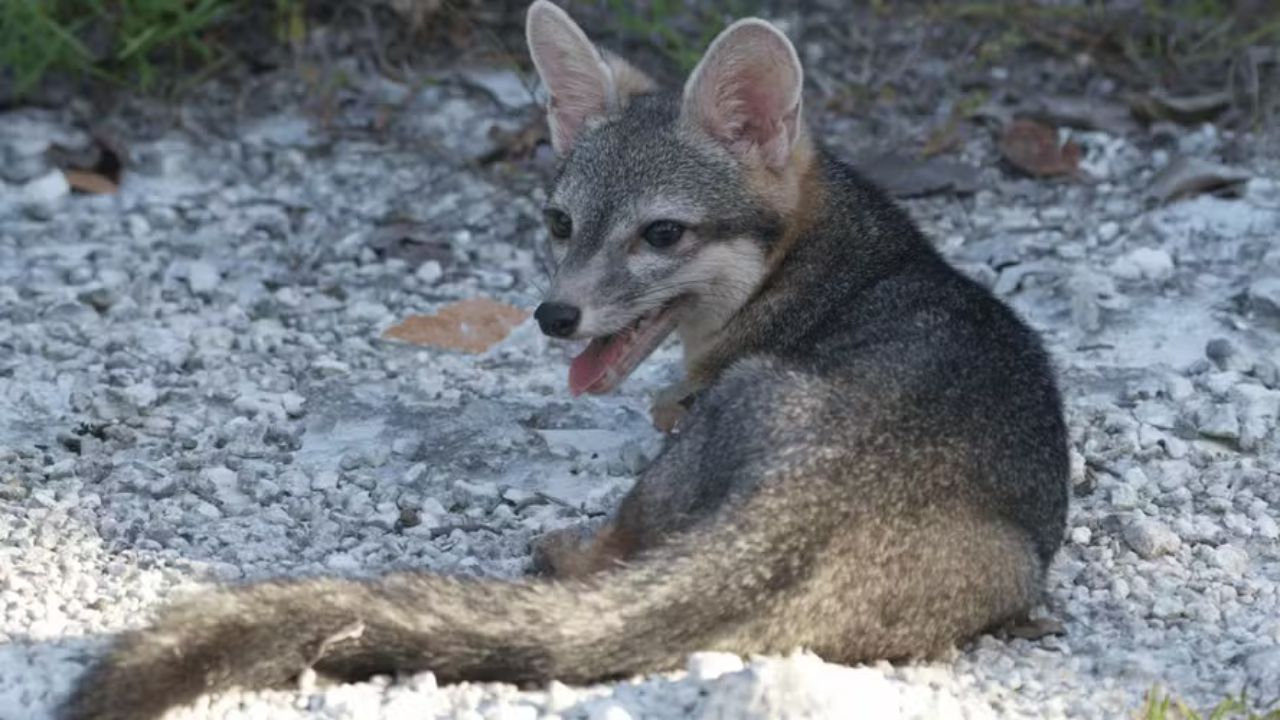
Rare fox feared “extinct” found alive on Caribbean island after over two decades without official sightings

-
21-Year-Old Brazilian Student Turns Homemade Popsicle Hobby into $100,000-a-Month Business




The scenario reflected a regional history marked by deforestation, loss of forest cover, and compromise of water resources associated with the Atlantic Forest.
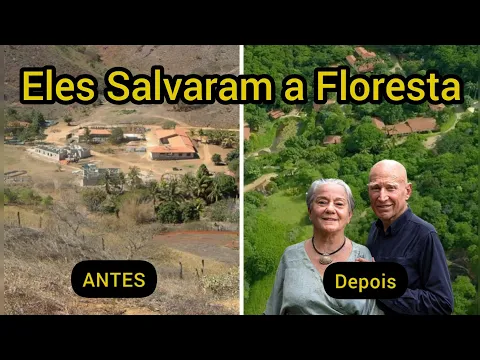
Faced with degradation, Sebastião and Lélia founded the Instituto Terra, a nonprofit organization dedicated to environmental restoration, ecological education, and sustainable development.
The institute established a technical model based on scientific criteria, using exclusively native species of the Atlantic Forest and respecting natural ecological succession.
The reforestation adopted prioritized biological diversity, soil recovery, and gradual recomposition of the original ecosystems in the area.

Recovery Methodology
The work begins with systematic seed collection in the region, ensuring genetic adaptation and a higher survival rate of the plants.
The seeds undergo selection and cataloging before being cultivated in dedicated nurseries, responsible for producing hundreds of thousands of seedlings annually.
Only after reaching adequate development are the seedlings taken to the field, in areas previously prepared to avoid erosion.
The techniques include soil management, slope protection, and continuous care in the early stages of plant growth.
Results Achieved
Over more than two decades, the project resulted in the planting of over 2.5 million native trees in the recovered area.
The former degraded pasture gave way to a continuous forest covering more than 600 hectares, now legally recognized.
The territory became the first Private Natural Heritage Reserve in the recovery process in Brazil.

Observed Environmental Impacts
Forest regeneration allowed the spontaneous return of species of fauna and flora that were previously absent from the region.
Birds, mammals, pollinator insects, and typical trees of the local Atlantic Forest have been observed once again.
The plant recomposition contributed to the recovery of springs, improvement of water quality, and balance of the microclimate.
These effects demonstrate direct impacts on the regional environment and the associated natural systems.
Education and Dissemination of the Model
In addition to physical restoration, Instituto Terra works in environmental education and technical training for different audiences.
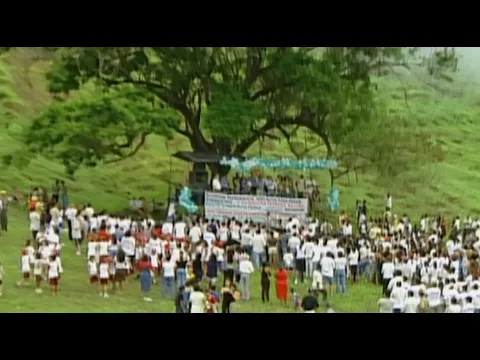
Researchers, students, and managers visit the site to learn about practices applicable to other degraded regions.
The project is cited as an example of the viability of large-scale environmental recovery with planning and continuity.
Context and Legacy
The experience consolidated itself as a Brazilian reference in the restoration of degraded ecosystems over time.
The case demonstrates that private initiatives, combined with technical knowledge, can generate lasting environmental benefits.
The work remains an example of a concrete response to the historical challenges of Atlantic Forest degradation.
With information from Casa e Jardim.






A história é legal e respeito muito o trabalho de Salgado, porém o título deveria ser que ele revitaliza área degradada pela própria família, afinal em documentários ele mesmo conta a história.