Portuguese
  Spanish


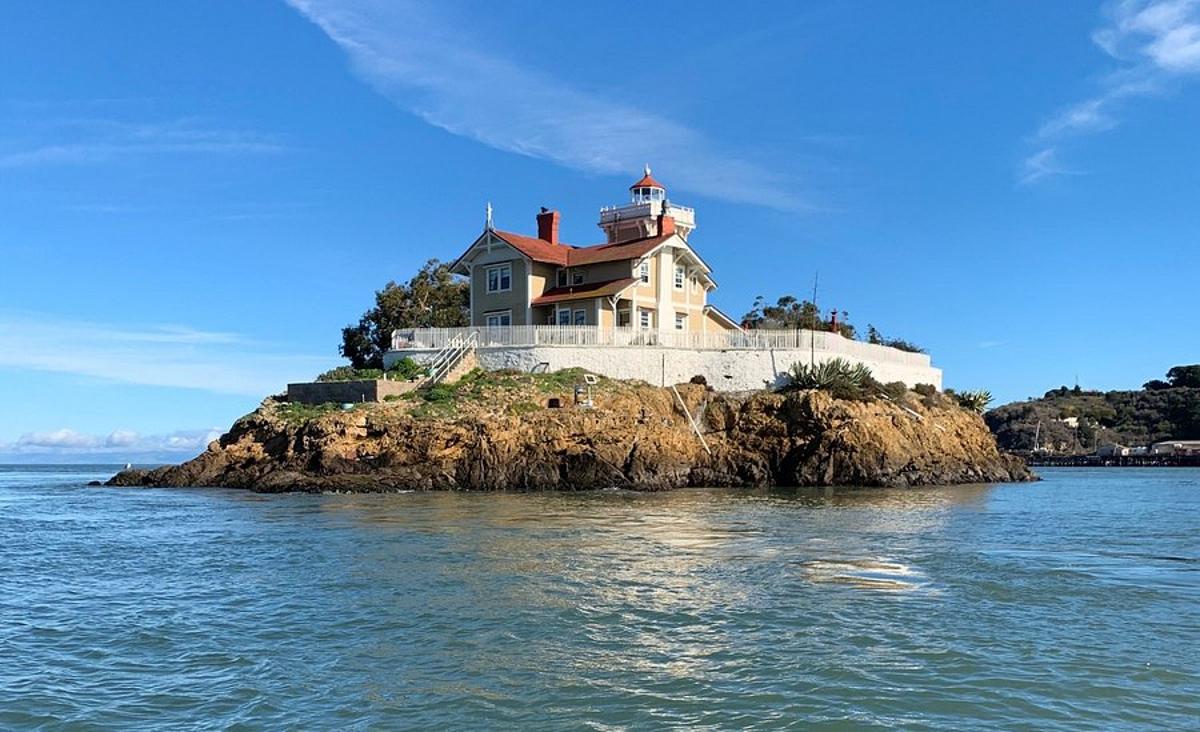

The Routine In One Of The Most Remote Islands In The San Francisco Bay Exposed Technical Difficulties, Structural Failures And Emergency Decisions That Marked The Management Of A Lighthouse Created In 1873
The East Brother Light Station, built in 1873, remains in continuous operation and has been listed as a historic landmark in the United States since 1971, according to records from the National Park Service. During the Covid-19 pandemic, in 2020, the station came under the responsibility of Desiree Heveroh, who took on all maintenance tasks after the island’s lodge suspended its activities. The caretaker moved to the small remote island after the owners returned to the mainland due to a lack of revenue and began to manage the historic structure by herself, which consists of accommodations, support systems, and the operational lighthouse.
Historical Structure And Preservation Of The Lighthouse
The lighthouse operated manually for almost a century. At the end of the 1960s, the United States Coast Guard began automation and announced the possibility of permanent deactivation of the structure. However, the local population reacted actively, and the mobilization preserved the lighthouse. By the end of the 1970s, a nonprofit organization took over its restoration after a long period without maintenance. The lodge on the island was reopened and began to receive visitors interested in the region’s maritime history.
Discovery Of The Island And The Beginning Of The Relationship With The Property
In an interview with the World of Nuance channel, published in 2023, Desiree reported that she discovered the island when she spotted the construction during a trip with her daughter. From there, she began researching the site, volunteered for maintenance activities, and worked part-time on marketing efforts for the lodge. This ongoing involvement resulted in familiarity with the structure and facilitated her permanent move at the beginning of the pandemic.
-
Burkina Faso Bans NGOs from Photographing Vulnerable People Without Consent and Outlaws Fundraising Campaigns Exploiting Suffering

-
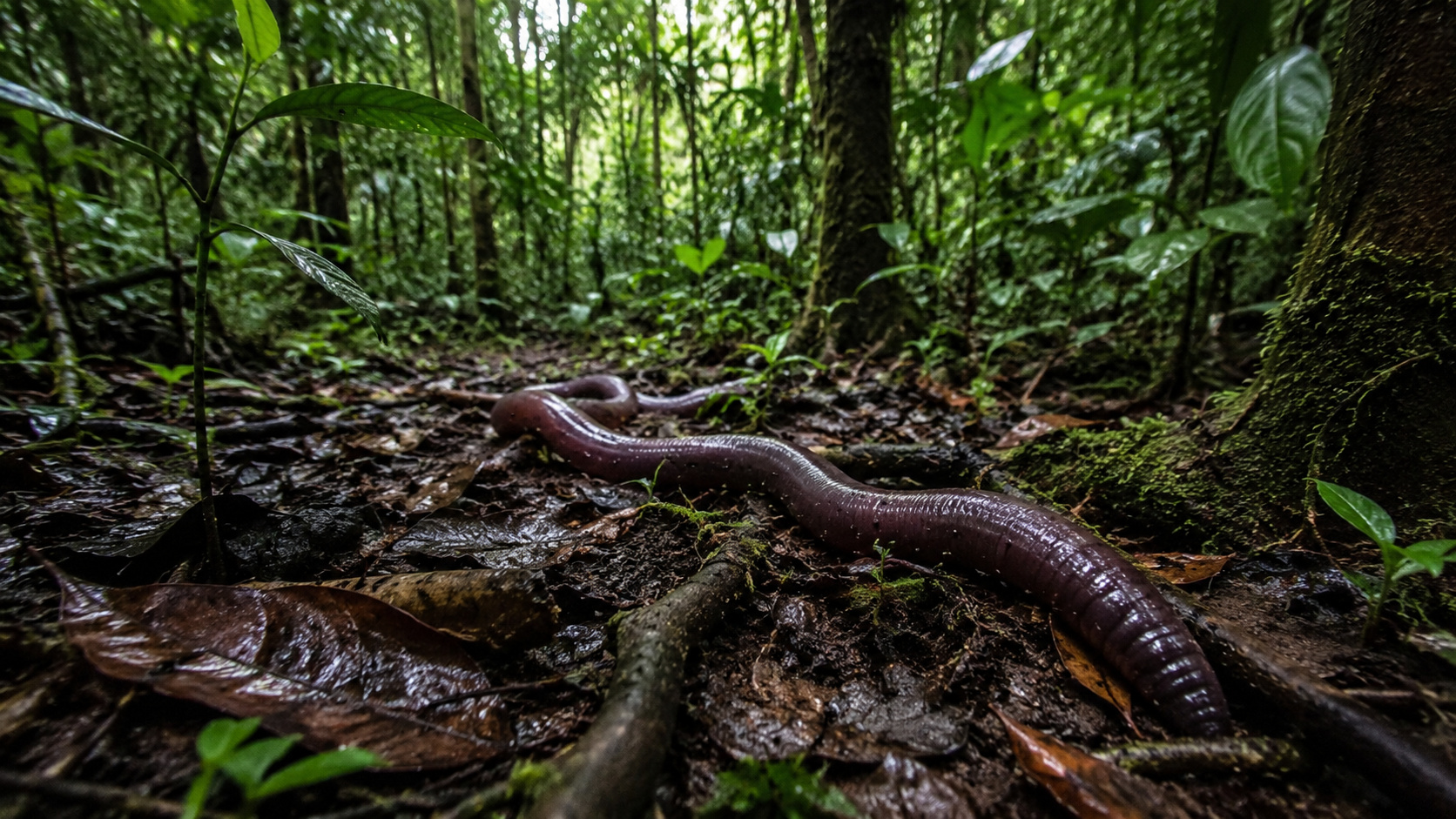
Giant Earthworms up to 2 Meters Long Secretly Sustain Fertility in the Amazon Rainforest
-
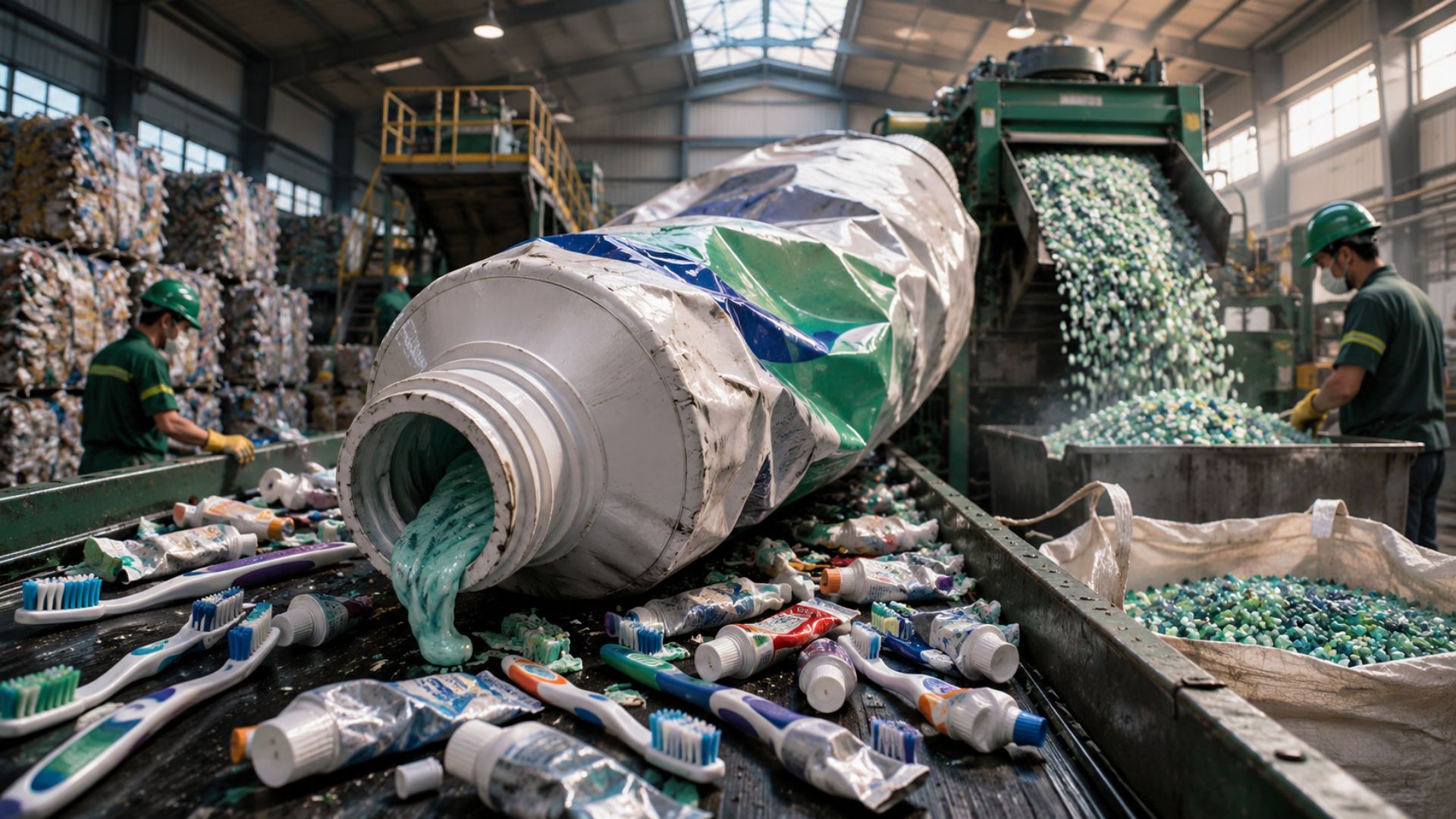
Brazil Launches Ambitious Project to Recycle Toothpaste Tubes and Toothbrushes, Aiming to Revolutionize Waste Management

-
The Mystery of Roanoke: Entire Colony Vanished Without a Trace, Leaving Only “Croatoan” as a Clue and Becoming a Historical Legend


Pandemic And Absence Of Permanent Team
With the lodge’s closure in 2020, the island was left without permanent residents to take on daily maintenance tasks. The owners’ return to the mainland left the station without constant supervision. This situation led Desiree to offer to reside on-site and ensure the operational continuity of the lighthouse. She began performing tasks that included supervising the structure, cleaning, light repairs, and managing the systems that kept the lighthouse functioning.
Failure Of Submarine Cables And Electricity Outage
During her stay, one of the biggest challenges occurred when the submarine cables responsible for providing electricity to the station failed. The island remained two months without connection to the grid and relied on a generator from the 1930s, which provided only basic heating and limited lighting. Keeping food cold became a problem, and the caretaker used ice blocks and a rotating system to preserve supplies, while growing vegetables and herbs in the outdoor area to supplement the diet.
Emergency Solutions For Restoration Of Energy
After two months without electricity, volunteers managed to patch the damaged cable, ensuring temporary supply. The United States Coast Guard, responsible for the equipment, informed that a complete replacement would not be carried out due to the estimated cost of US$ 1 million (approximately R$ 6 million). As an alternative, the installation of solar panels to supply the island was discussed, although without immediate confirmation of implementation.
Daily Operations And Continuous Maintenance
Even with limitations, Desiree remained responsible for the entire daily operation of the lighthouse. She managed the old generator, oversaw structural repairs, and ensured that the station remained active as a maritime reference. The routine required constant monitoring given the conditions of the remote island. The caretaker also maintained maintenance records and ensured compliance with safety guidelines from the Coast Guard.
Justifications And Importance Of Maintenance According To Responsible Agencies
Maritime agencies affirm that the preservation of historic lighthouses is essential for navigation safety, heritage education, and maintenance of coastal routes. Technical documents from the Coast Guard indicate that old structures require continuous maintenance and studies for system modernization, especially where submarine cables present a high risk of failure. Preservation organizations argue that remaining lighthouses from the 19th century represent cultural heritage and should be kept in operation.
Institutional Understanding Of Management Of Remote Structures
Coastal management reports in the United States acknowledge that lighthouses located on remote islands require specific investments and hybrid energy solutions. Thus, community and technical movements seek alternatives to ensure efficient operation, protect century-old structures, and reduce dependence on outdated systems.
Change In Perception About Historical Lighthouses
With the combination of cultural preservation, operational difficulties, and the need for stable energy, historical lighthouses have come to require greater attention from public managers and specialized organizations. Desiree’s experience demonstrates how structures considered simple depend on complex technical processes and constant planning to operate adequately in isolated areas.