






 Portuguese
  Spanish


MHEV System of the Fastback 1.0T, Which Took 4 Hours to Reactivate, Now Works in 5 Minutes After Days of Being Stopped, Confirms Honest Opinion.
Owners of the Fastback in the 1.0 Turbo versions (Audace and Impetus) can breathe a sigh of relief. A severe criticism of the MHEV (mild-hybrid) system of the coupe SUV has finally been resolved by Fiat. The flaw, which deactivated the hybrid system for up to 4 hours if the car was left stopped for a few days, has been fixed with a software update, as verified in a recent test by the Honest Opinion channel.
The problem directly affected the perception of the technology’s value since the system, designed to save fuel, stopped operating in everyday use. The update, already available at dealerships for previous models and applied from the factory on the 2026 lineup, reduced the reactivation time of the system to less than 5 minutes under the same conditions, restoring functionality and confidence in the mild-hybrid of the Fastback.
Understand the Original Flaw of the Hybrid Fastback
The flaw affecting the Fastback MHEV was not a mechanical defect but rather a calibration of software deemed “too conservative.” The Fiat’s mild-hybrid system, which uses a small generator (BSG) instead of an alternator and a 12V lithium battery under the driver’s seat, also relies on the main lead-acid battery (located in the engine compartment). When the Fastback was left stopped for several days (about four, according to tests), the main battery experienced a slight natural discharge caused by standby systems like the alarm and Connect Me tracking.
-
2027 Toyota Corolla Cross Unveiled: New Design, Enhanced Fuel Efficiency, Reduced Maintenance Costs, Advanced Technology, Connected Services, and Up to 10-Year Warranty

-
Fiat Cronos Precision 2018: Affordable Sedan with Spacious Trunk and Reliable Maintenance
-
Volkswagen to Cut Production by 1 Million Cars by 2030, Reducing Jobs and Platforms, Focusing on More Profitable Models

-
Toyota Launches First 100% Electric Car in Brazil: bZ4X with 343 HP, All-Wheel Drive, 361 km Range, Priced at $419,990 BRL, Limited to 99 Units



The original Stellantis programming, upon detecting this slight drop in charge, prioritized the recharging of the main battery over allowing the hybrid system to operate again. In practice, as detailed by Honest Opinion in a previous test, this meant that the driver needed to drive for up to 4 continuous hours, usually on a highway, for the regeneration and assistance functions of the MHEV to reactivate. This negated the economy proposition of the system in urban “stop-and-go” usage after the weekend.
The Check of the Change: From 4 Hours to 5 Minutes
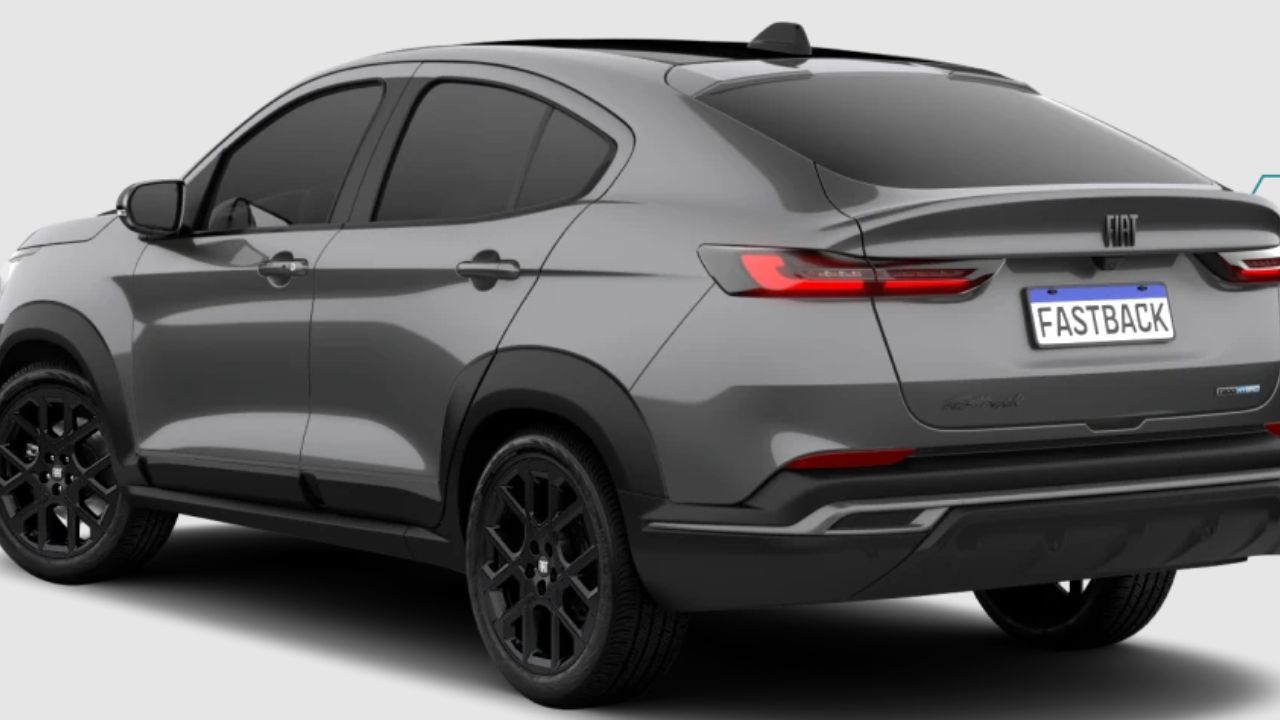
To validate the correction promised by Fiat, the Honest Opinion channel replicated the test that exposed the original flaw. The journalist Felipe, responsible for the analysis, deliberately left the new Fastback 2026 (Impetus version) stopped in the garage for almost four days, simulating the exact condition that caused the “blackout” of the MHEV system. The procedure was done purposefully to verify if the software update applied by the brand’s engineering was effective.
Upon starting the vehicle, the software correction proved its worth: in less than 5 minutes of urban driving, the hybrid system was already 100% functional, utilizing energy regeneration during braking and assisting the combustion engine. The journalist reports that, although the sensation of the electric motor’s operation seems slightly more subtle on the dashboard graphic, functionality was fully restored. The change transforms the usage experience, making the MHEV system of the Fastback finally reliable for consumers who do not use the car daily.
How Does the MHEV System of the Fastback Work?


It is crucial to understand that the hybrid system of the Fastback (available in the 1.0T Audace and Impetus versions) is an MHEV (Mild Hybrid Electric Vehicle). It does not propel the car using only electricity, like a full hybrid (HEV) or Plug-in (PHEV). Its main function is to eliminate the traditional alternator and starter motor, replacing them with a single unit called BSG (Belt-Starter Generator), a motor/generator connected to the crankshaft by a belt.
This BSG motor/generator, powered by the extra 12V lithium battery, has three functions: it starts the combustion engine (more smoothly), assists the 1.0T engine during accelerations and overtakes (reducing effort and, consequently, consumption), and regenerates energy during braking (storing it in the lithium battery). According to Honest Opinion, this technology, although simple, ensures fuel savings of up to 15% and also allows Fiat to offset the average pollutant emissions of more powerful models, such as the Fastback Abarth.
Fiat’s correction addressed one of the most criticized points of the Fastback 1.0T. For you, was this software flaw a barrier to purchase? Do you think Fiat took too long to act, or did the solution come at the right time? Leave your honest opinion in the comments; we want to know what the owner and those eyeing the SUV think.









Desde fevereiro tento corrigir esse problema, que também desativa o start stop. 2a feira pp, fiz uma correção. Rodei 5oo km rodoviário e 100 urbano. O consumo convergiu para 15km/l. Usando do recurso do frei motor
O meu so faz 7 km com litro na cidade na gasolina