Portuguese
  Spanish


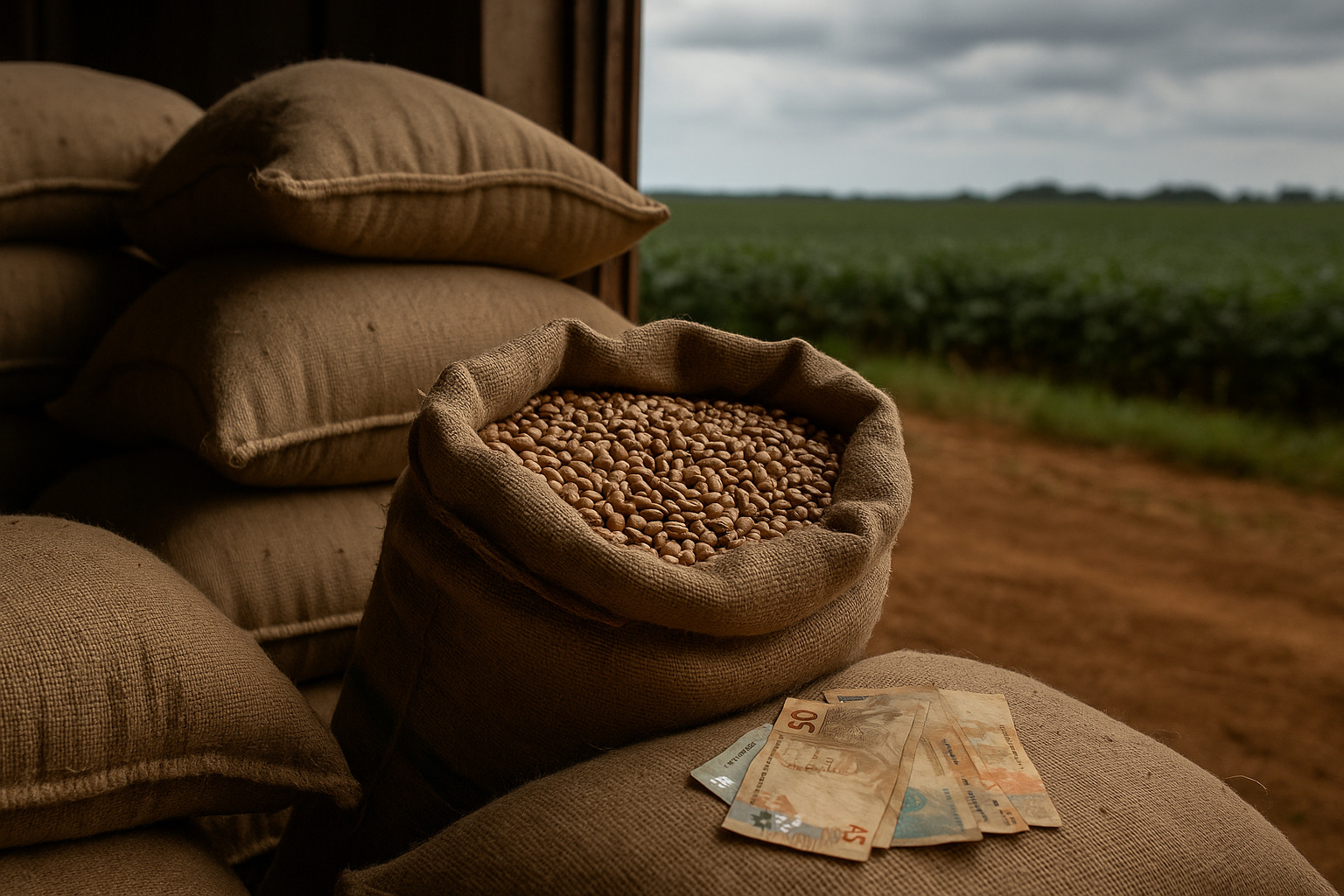

Bean Price Falls With Low Buyer Interest. Drop Concerns Producers and Pressures Brazilian Agriculture.
Bean Price Plummets and Concerns Agriculture
The bean price fell again this Friday (10/24), amid low buyer interest and low liquidity in the domestic market.
According to the Center for Advanced Studies in Applied Economics (Cepea), the scenario worries the brazilian agriculture, as the product, essential on the consumer’s table, faces pressures of supply and quality.
The price of carioca beans recorded a 2.49% drop in the eastern region of Goiás, according to the Cepea/CNA indicator, closing at R$ 221.13 per 60-kilogram sack. Thus, the decline reinforces the negative trend observed since early October, influenced mainly by the slow pace of negotiations and little willingness from buyers.
-
Bangladeshi Farmers Use Bamboo Levers to Pump Thousands of Liters of Water Daily Without Engines or Electricity

-
Brazilian Forests Could Expand by an Area Twice the Size of Switzerland by 2035, but Agricultural Sector Holds the Key, Study Finds

-
Brazilian Student Develops Solar-Powered Agricultural Machine Capable of Processing 250 Kilograms per Hour

-
Brazilian Farmer’s Viral Video on Onion Prices Opens New Income Opportunities Online


Low Buyer Interest Pressures Prices
The low buyer interest has been the main factor behind the drop in bean prices. According to Cepea, industries and wholesalers reduced their purchasing volume, citing quality issues with available batches.
Many beans show impurities, foreign matter, and high moisture, which decreases market value even when they have good coloration. Because of this, liquidity remains low, and transactions proceed at a slow pace.
Meanwhile, producers with higher-grade beans, known as “extras,” choose to keep their stocks stored, waiting for better sales opportunities.
First Crop Planting Advances, But Pace Concerns
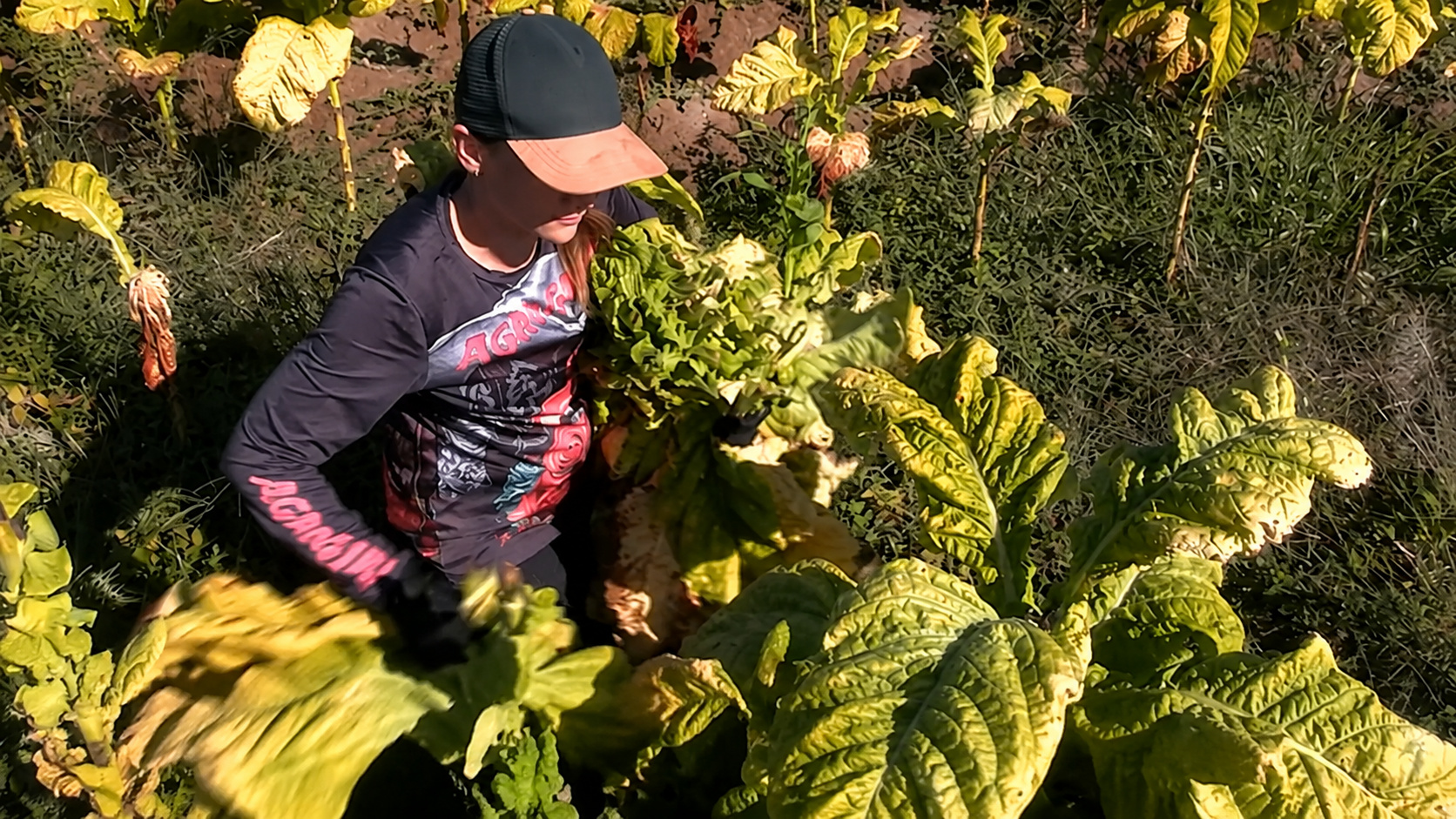
While the market feels the effects of the price drop, the field continues with the planting of the first crop. According to the latest data, 22.6% of the estimated area has already been seeded, showing a moderate advance in the fields.
Even with the progress of planting, the low buying pace causes uncertainty among producers. Many farmers fear that the growing supply in the coming weeks will further pressure prices if the buyer interest does not respond.
Additionally, irregular weather in some regions has affected the initial development of the crops, which may impact productivity and quality of the beans.
Impacts on Agriculture and Producers
The brazilian agriculture, heavily reliant on stable agricultural prices, feels the effects of this drop in bean prices. With decreased profitability, producers face difficulties in covering production costs and planning new crops.
On the other hand, the low buyer interest also reflects the cautious behavior of the market regarding products of below-standard quality. Thus, the mismatch between supply and demand keeps the market stuck and further pressures prices.
According to Cepea researchers, “values are pressured by low buying interest, due to batches with impurities and unsatisfactory moisture, even if they have good coloration.”
Expectations and Next Steps in the Bean Market
With the persistence of price drops, the sector is evaluating strategies to avoid greater losses. Experts believe that a recovery depends on the resumption of buyer interest, which may occur with improvements in batch quality and adjustment in supply.
In the meantime, producers remain cautious, avoiding selling at low prices and storing the product until the market shows signs of appreciation.
Finally, the brazilian agriculture observes the scenario closely, as beans are one of the main items in the national diet. Therefore, the behavior of buyers and the quality of upcoming harvests will be crucial in determining the direction of prices in the coming weeks.
Conclusion: Falling Bean Price Demands Caution in Agriculture
The bean price continues to fall, and the low buyer interest keeps the market stuck. As a result, the brazilian agriculture faces a period of heightened attention, marked by stagnant stocks and ongoing planting.
Amid low liquidity and market distrust, producers are betting on improved grain quality and a demand response to reverse the negative trend and restore balance in prices.