Portuguese
  Spanish


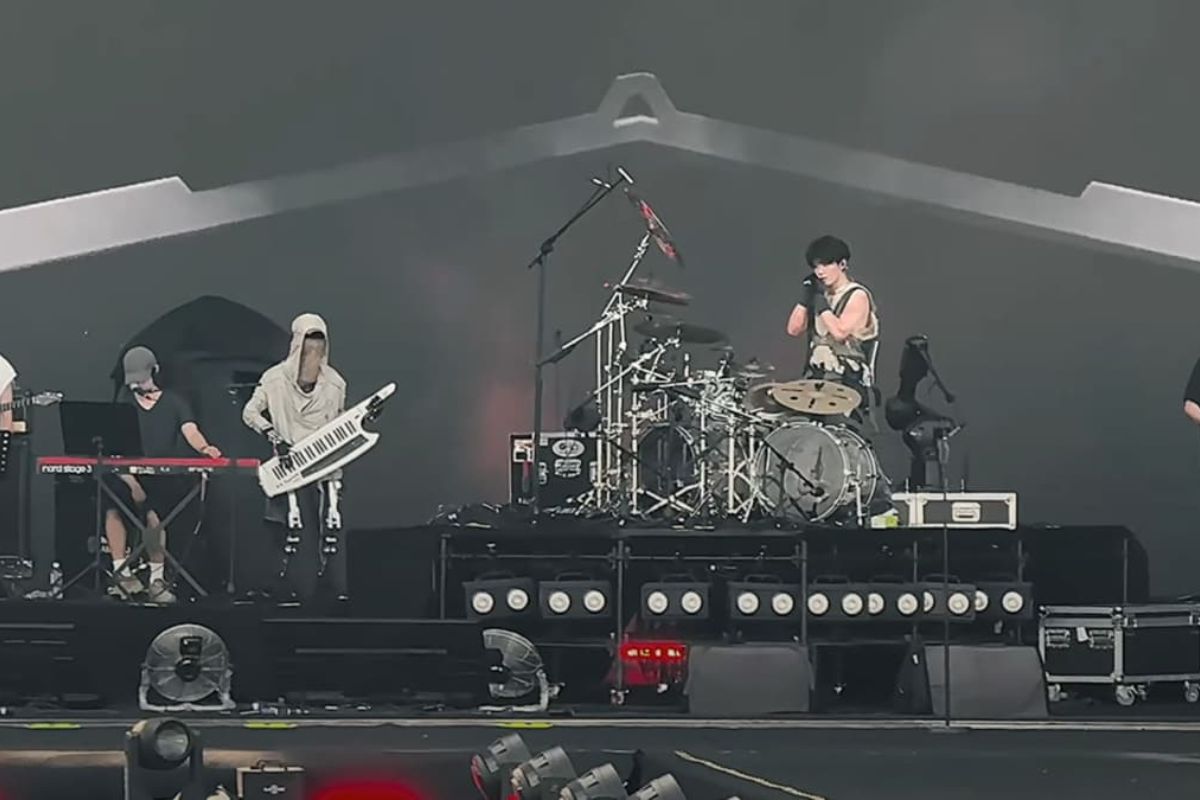


Nicknamed Adam, Humanoid from PNDbotics Played in a Live Band and Impressed the Audience with Realistic Gestures and Musical Instrument Mastery
The musician robot Adam was the highlight of the VOYAGEX Festival in China, performing live as a member of a band. Created by the startup PNDbotics, the humanoid played a keytar on stage, combining smooth movements, a unique style, and precise execution of pre-programmed musical sequences.
Dressed in a hoodie, cap, and mask, the robot interacted with the musicians and the audience, marking a new chapter in the integration of technology and artistic performance. The event was widely reported by outlets like New Atlas, reinforcing the increasing trend of robots in live entertainment.
What Makes Robot Adam Special?
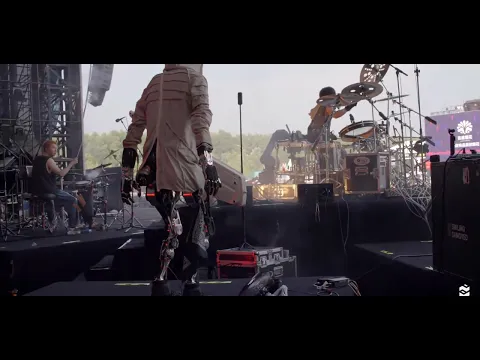

With 1.67 m tall and 62 kg, robot Adam impresses with its advanced mechanical structure: it has 44 degrees of freedom in movements, hands with five articulated fingers, and high torque, allowing for realistic gestures and convincing musical execution.
-
16-Year-Old from Brazil’s Sertão Wins Young Scientist Award for AI Predicting Rainfall with 94.5% Accuracy to Aid Farmers

-
Netherlands Reports First Child Euthanasia Case Since Rule Expansion for Minors

-
Brazilian Innovator Survives Homemade Submarine Dive in Paraty Despite Hatch Leak and False Oxygen Alarm
-
China Develops Custom 140-Ton Electric Mining Truck with 770 kWh Swappable Battery, Deploys 290 Units in Xinjiang’s Largest Zinc Mine



Though it cannot improvise, Adam was able to perform complex songs programmed by human developers, while a technical team monitored its performance in real time. The performance surprised with its fluidity of gestures and visual integration with the musicians.
PNDbotics confirmed that the model presented at the festival is a variation of the robot Adam SP, designed for public demonstrations and interactive applications with real musicians.
Musician Robot as a New Creative Tool
In addition to its physical structure, robot Adam is compatible with artificial intelligence and reinforcement learning, making it ideal for experimental testing in composition, performance, and response to sound stimuli. The company also offers an open SDK for developers, facilitating the customization of musical skills.
While the U model — aimed at commercial use — will be launched at the World Artificial Intelligence Conference in September, the current version is already available for online purchase, with an estimated price above US$ 100,000.
Music and Robots: What Lies Ahead?
The presence of a musician robot at a traditional festival raises important questions about the future of entertainment. Although Adam’s performance still depends on human programming, its charisma and precision already position it as a symbol of a new generation of non-human artists.
In times of bands created by artificial intelligence and haptic technologies that allow us to “feel” the music, robots like Adam could pave the way for unprecedented collaborations between humans and machines on stage.
Would you attend a show featuring a musician robot instead of a human artist? Do you think this is art or just programming? Share your opinion in the comments.