Portuguese
  Spanish


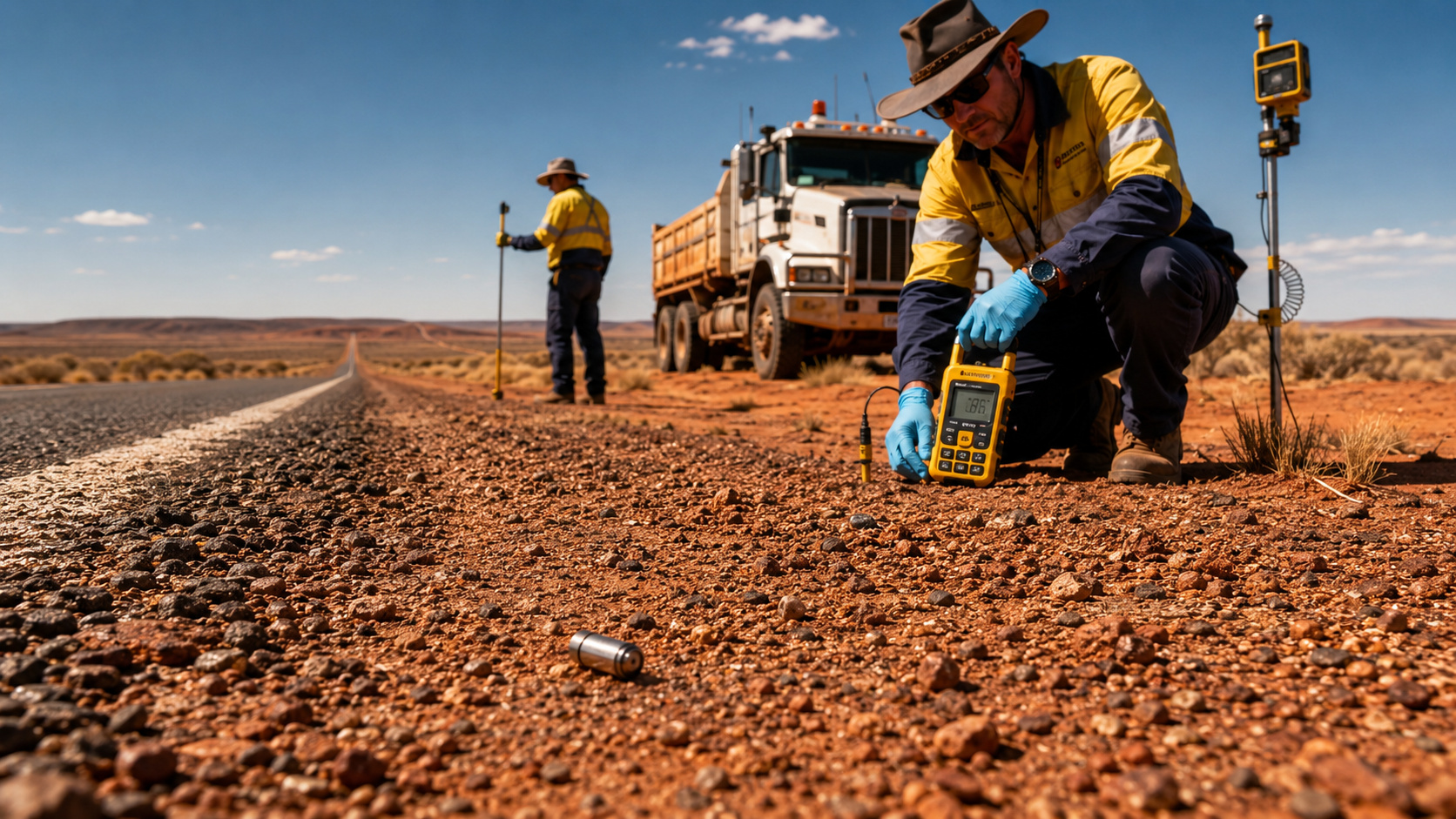

The radioactive cesium 137 capsule was only 8 mm by 6 mm, fell on a Rio Tinto mining route in Western Australia, became an invisible risk in the desert, and required special sensors to be found after a 1,400 km search
A radioactive capsule smaller than a coin fell from a truck in Western Australia and turned a desert road into a search area. The piece was only 8 mm by 6 mm, but it contained cesium 137, a radioactive material capable of posing a risk in case of prolonged exposure.
The capsule disappeared during transport between the iron ore mine Gudai Darri, of Rio Tinto, and Perth. The information was published by ANSTO, Australian Nuclear Science and Technology Organisation.
The case drew attention because it combined an almost invisible object, a 1,400 km route, and a tracking operation that only ended when sensors located the radioactive source 2 meters from the roadside, near Newman.
-
English Skills Boost Career Opportunities in the Oil and Gas Industry

-
Brazil Secures Second Place at WorldSkills 2024 in Lyon, with 64 Young Professionals and 8 Medals, Including Gold from a Rio de Janeiro Hairdresser

-
3,000 Military Personnel from 10 Countries, Including US and Chinese Marines, Train Together in Brazil’s Savanna: Operation Formosa Becomes Largest Naval Ground Exercise Before First Cancellation Since 1988
-
UAE Sends 110 Date Palm Trees to Brazil, Signs $4 Million Deal to Boost Date Production in Bahia’s Hinterland, with Presidential Palace Receiving 10 Saplings


How such a small radioactive capsule turned into a giant search in Australia
The cesium 137 capsule was smaller than a fingernail. Even so, its disappearance put authorities on alert because radiation cannot be seen, felt, or perceived by an ordinary person.
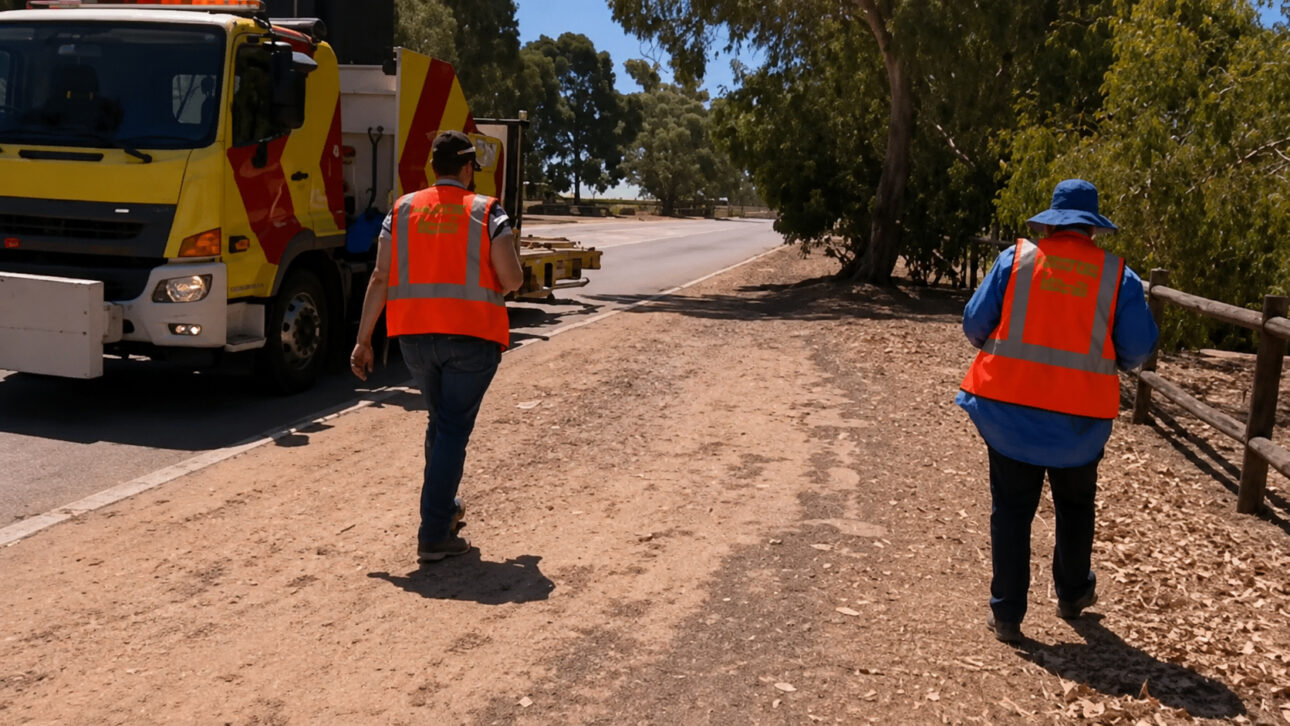
The danger was in the content of the piece. Cesium 137 is a radioactive material used in industrial applications, including equipment related to mining. It emits radiation and needs to be protected within proper systems.
Outside the appropriate equipment, the capsule became a risk. A person could find the piece on the road and not realize the danger, precisely because it looked like just a small metallic object lost on the ground.
Therefore, the size of the capsule made the operation even more difficult. Finding a piece of 8 mm by 6 mm on a 1,400 km road required technology, coordination, and a lot of precision.
What happened on the route between the Rio Tinto mine and Perth
The capsule left the Gudai Darri mine, an iron ore operation by Rio Tinto, heading to Perth, in Western Australia. The route passed through a long desert road, with a great distance between the main points.
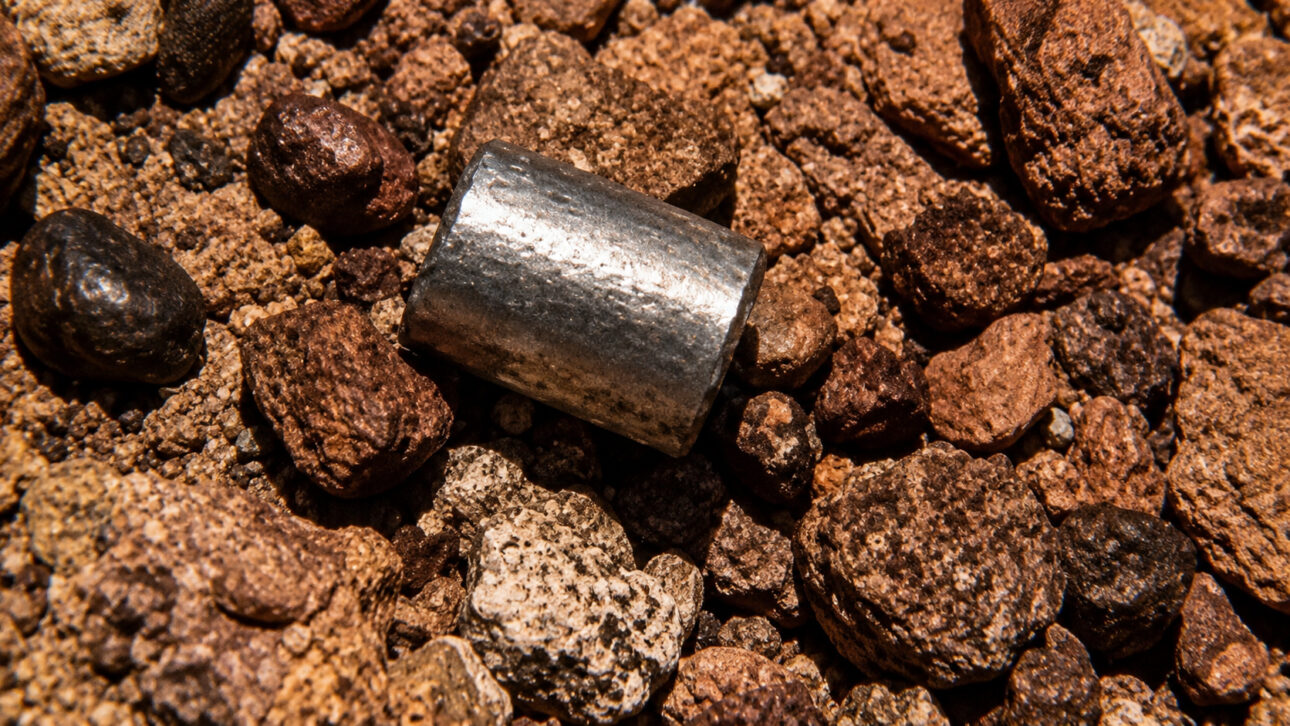
The disappearance was only noticed when the equipment arrived at its destination and was opened in Perth. The capsule, which should have been attached to the transported set, was no longer in the expected location.
From that point, the route became the focus of the operation. The piece could be anywhere along the path between the mine and the city, which increased the difficulty and urgency of the search.
The case revealed how a small failure in the transportation of sensitive material can gain enormous proportions. An almost invisible capsule put an entire road under attention.
Why cesium 137 posed a risk even inside a piece smaller than a coin
Cesium 137 is a radioactive material. In simple terms, this means it emits invisible energy capable of affecting the body under certain conditions.
The lost capsule emitted radiation at a level sufficient to cause significant impacts with prolonged exposure. The greatest risk was someone touching the object, keeping the piece, or staying near it for a long time without knowing the danger.
Radiation has no smell, no color, and does not warn when it is present. This is why such a small piece mobilized specialized teams.
The episode also shows why materials used in mining need strict control. When a radioactive source leaves the safe environment, the risk is no longer just industrial and involves anyone who might cross its path.
How sensors in vehicles found the radioactive capsule near Newman
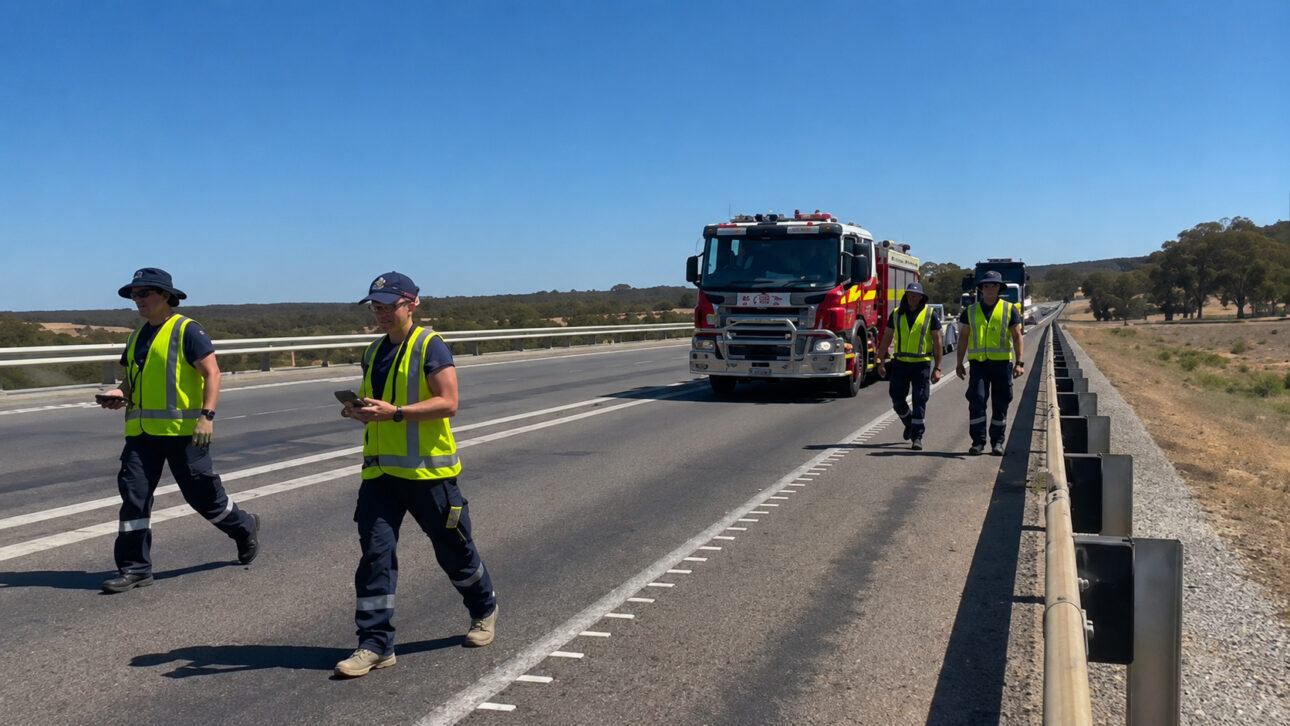
The search used vehicles equipped with sensors capable of detecting radiation. These devices register invisible signals and help teams find radioactive sources even when the object is very small.
ANSTO, Australian organization of nuclear science and technology, detailed that the CORIS360 technology was adapted to operate inside vehicles during the mission. The system underwent tests before hitting the road.
The capsule was detected when a vehicle was heading south of Newman at 70 km/h. The equipment detected a spike in radiation, a signal indicating the presence of the lost source near the highway.
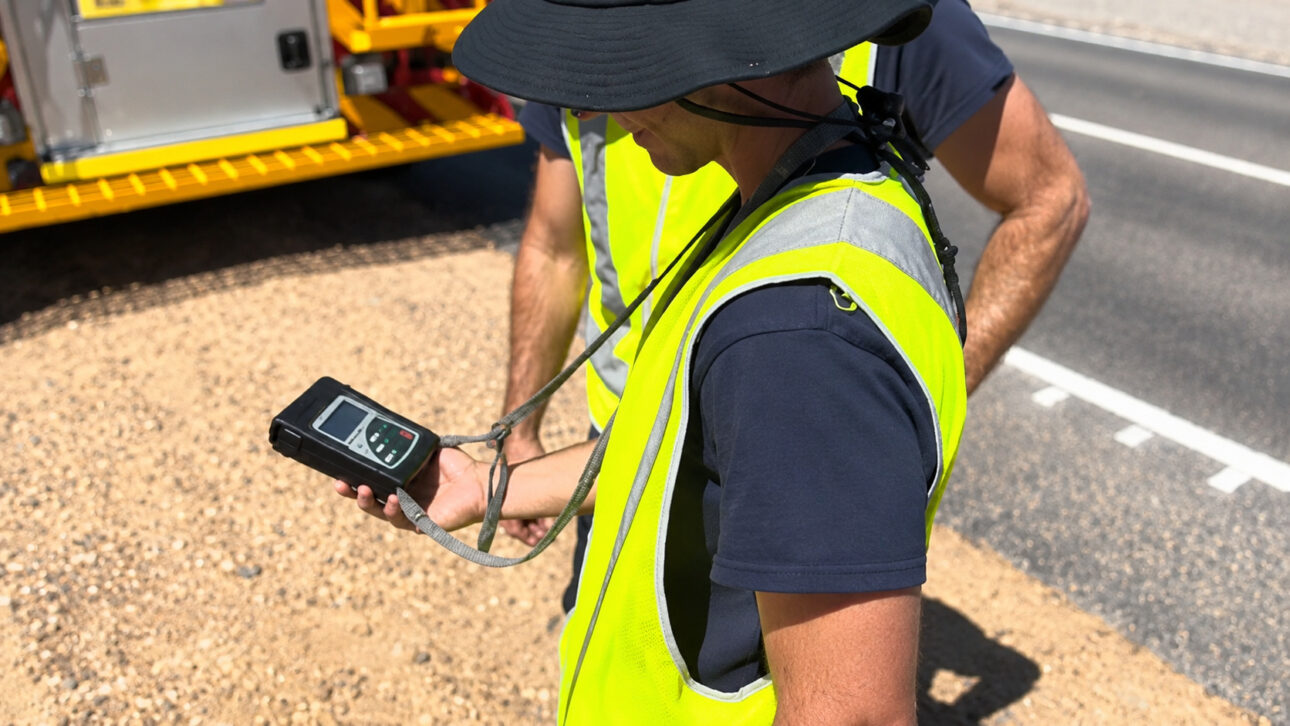
After the alert, an isolation area was created. The capsule was precisely located 2 meters from the Great Northern Highway, one of the main roads in the region.
The operation showed how technology and quick response avoided a bigger problem
After the location, authorities entered the isolated area with specialized equipment. The capsule was safely removed and escorted to Perth.
Senior physicist Lachlan Chartier summed up the team’s relief at finding the piece with a straightforward phrase: “We were absolutely ecstatic!”. The reaction shows the difficulty of locating such a small object in such a large area.
The operation involved radiation specialists and support teams. The work was only possible because the sensors managed to turn an invisible risk into a traceable signal.
Without this type of technology, the capsule could have remained lost in the desert for much longer. The case reinforced the importance of equipment capable of identifying radiation in motion and over long distances.
What the case reveals about the transport of sensitive industrial materials
The loss of the capsule showed that sensitive industrial materials require extreme care, even when they seem small and simple. The danger does not depend on the visible size of the piece.
In mining, radioactive sources can be part of equipment used for measurements and process control. However, when they leave the correct location, they require immediate technical response.
The episode also exposed the impact of a logistical failure on a long route. A piece smaller than a coin led authorities to track 1,400 km of road in the Australian desert.
The capsule was found 2 meters from the roadside, but the case left a bigger question about oversight, transportation, and safety in hazardous industrial cargo.
A radioactive capsule of just a few millimeters was enough to mobilize a wide operation, reveal the invisible danger of cesium 137, and show how technology was decisive in finding the lost object.
If such a small object can generate a 1,400 km search, what kind of control should be mandatory in the transportation of materials capable of putting people at risk?