






 Portuguese
  Spanish
  5 min of reading
  54 comments


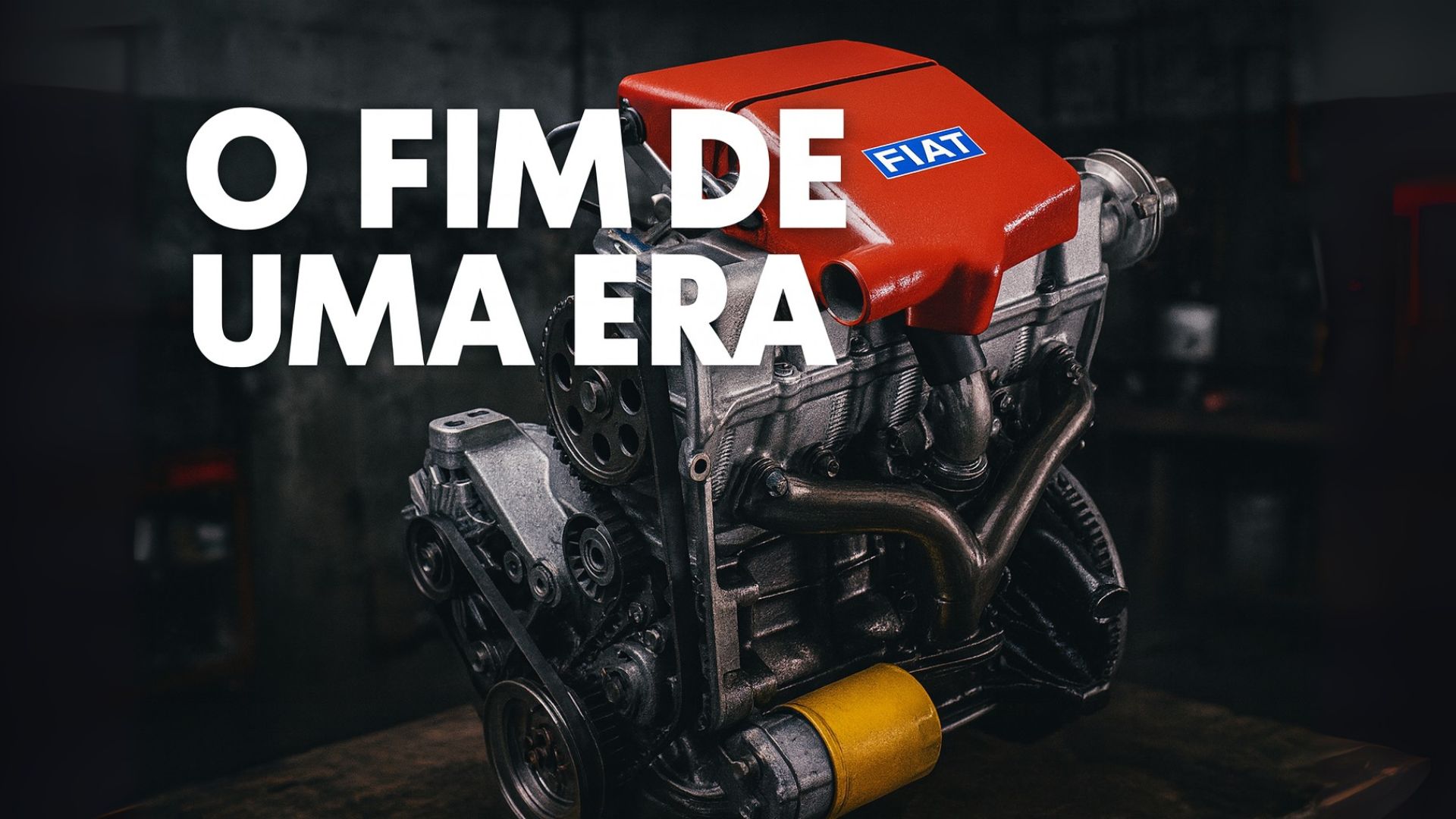


The Fire Engine Marked Generations for Its Durability, Simplicity, and Low Maintenance Cost, Becoming a Symbol of Fiat and a Reference in the Brazilian Automotive Market Until Being Retired in 2025 Due to New Environmental Regulations.
Fiat Ended the Fire Engine Era in Brazil with the Coming into Force of Proconve L8 on January 1, 2025.
After four decades of global history and more than 10 million vehicles equipped, the engine known for its robustness and low maintenance cost makes its exit because it does not meet the new emission limits required for passenger and light commercial vehicles.
The transition marks the definitive replacement of the Fire by more efficient families, such as the Firefly, in addition to hybrid and electric projects already under development.
-
Uber Faces Shareholder Scrutiny as Board Accused of Ignoring Safety, Compliance, and Harassment Warnings Amid Over 3,500 U.S. Lawsuits

-
Ferrari’s First Electric Car Divides Fans, Priced at $630,000, Amid Concerns Over Limited Editions; Brand Clarifies It’s Not Just for Future Perks
-
BYD Dolphin Mini: The Electric Car That Defies Depreciation, Losing Only 3.58% in a Year and Becoming the Best-Selling Retail Model Under $22,000

-
Electric Car JAC E-JS4 Loses $19,000 in Value in One Year, Leading Record Depreciation of Used Cars in Brazil Due to Expensive Battery and New Models


End of an Era with Proconve L8
The L8 rules raised the level of pollutant control and required more advanced electronics, more effective post-treatment, and combustion calibrations compatible with stricter global standards.
Stellantis, the parent company of Fiat, assessed that the investment to adapt the Fire to the new limits would not be justified given the availability of cleaner and more efficient current engines.
The movement had been prepared since 2024 and was consolidated in the 2025 line, when the last national models using the Fire migrated to options compliant with the regulation.
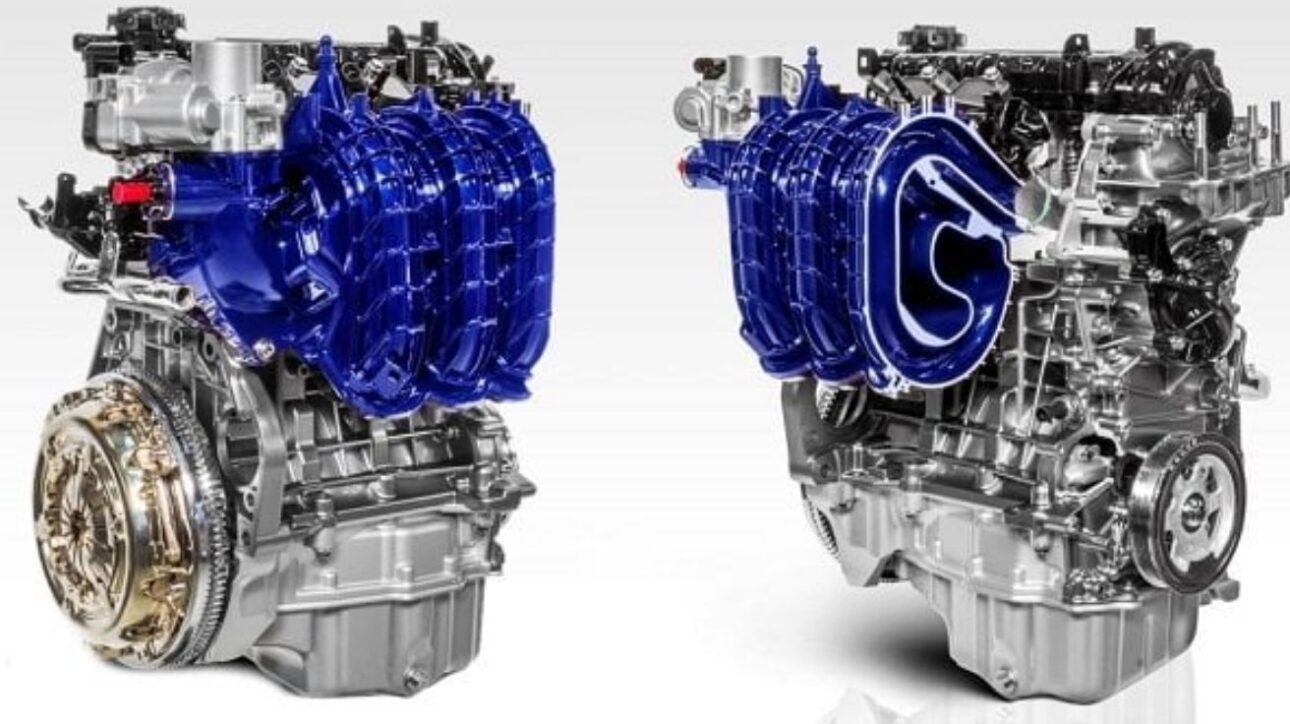
Meanwhile, the Mobi 2025 returned to using the 1.0 Firefly three-cylinder engine, and the Fiorino also adopted the 1.3 Firefly.
The decision ends the Fire’s presence in the 0 km market and symbolizes the closure of a cycle that began 25 years ago in the Brazilian market.
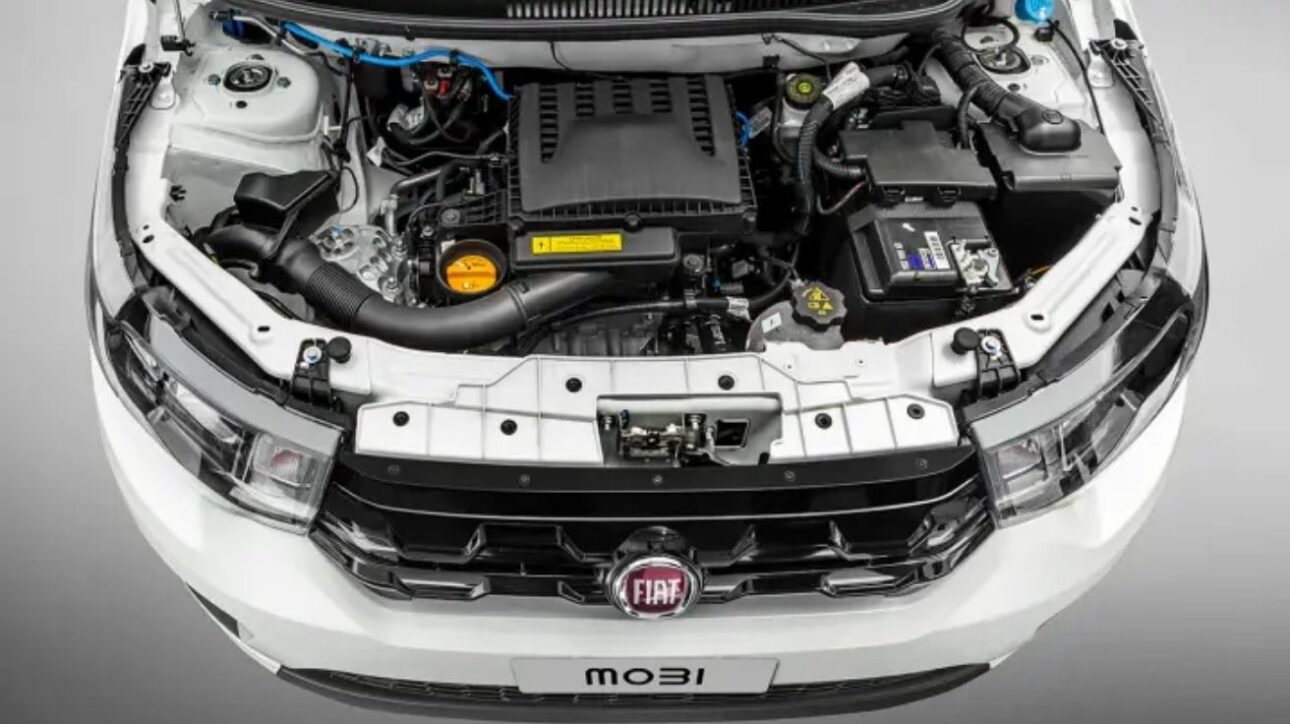
Origin and Debut of the Fire in Brazil
Created in 1985 in Europe, the Fire — acronym for Fully Integrated Robotised Engine — premiered in the lineup of the Autobianchi/Lancia Y10 and stood out for its lightweight, modular design and widely robotic production, which was advanced for that time.
In Brazil, its arrival occurred in March 2000, when the Palio 1.3 16V rolled out of the Betim (MG) line with the new setup, presented as a direct evolution of the old Fiasa engines.
From there, the family expanded with different displacements and head configurations, creating a range of versions 1.0, 1.3, and 1.4, with eight or 16 valves, depending on the application.
Evolution and Flexible Versions of the Engine
In the early years, the national Fire combined lightness and simplicity with modern electronic injection for the period.
As the lineup matured, there were simplifications in architecture to facilitate maintenance and cost-cutting without compromising reliability.
The family gained flex-fuel versions starting in 2003, initially in larger configurations; later, the technology extended to the 1.0 variants throughout the mid-decade.
In 2010, the Fire EVO update brought new pistons, connecting rods, and efficiency improvements, as well as a phase variator in the 1.4 for specific applications, reducing consumption and emissions.
More recently, calibration and post-treatment adjustments were applied to meet the Proconve L7, the step prior to the current targets, in an effort to extend the commercial life of the setup.
Still, the arrival of the L8 imposed requirements that the veteran could not meet without deep and economically disadvantageous interventions.
Models That Used the Fire
Over two and a half decades, the Fire equipped some of Fiat’s biggest successes in the country.
Uno, Palio, and Siena carried the reputation for simple and reliable mechanics, while Mobi and Fiorino sustained the Fire until the very end, especially in fleets and urban work, where cost per kilometer and ease of repair weigh more than power.
In workshops across the country, the engine became a “lingua franca”: there was an abundance of parts, widespread knowledge, and predictable maintenance, attributes that reduced downtime and kept expenses under control for owners and businesses.
The fame of being “unbreakable” did not arise by chance.
There were numerous reports of units that surpassed 300,000 kilometers without major interventions, provided the maintenance plan was followed and correct lubricants and fluids were used.
This combination helped motorize millions of Brazilians with tight budgets, especially in regions where the availability of technical assistance is limited.
The Impact of the Fire on Affordable Cars
The Fire was a key component in the democratization of access to new cars.
Its presence in entry-level versions kept prices competitive during sensitive moments in the market, and its robustness helped preserve resale value.
Fleet renewal programs and policies for work vehicles also benefited from the mechanical reliability of the setup, allowing for intense use with predictable costs.
Even today, it is common to see Palio, Uno, and Siena models with Fire engines running in good condition, a direct reflection of a project that prioritized simplicity, interchangeability of components, and reparability.
The longevity also created an ecosystem of accessible parallel, reconditioned, and original parts, which sustained the popularity of the setup longer than usual for compact engines.
Why the End Was Inevitable
Even with a solid foundation, the Fire was born in a different era of environmental regulation.
The architecture of the cylinder head, combustion strategies, and the post-treatment package had natural limits to their evolution.
To meet the new benchmarks of Proconve L8, an expensive redesign would be necessary, which did not align with the cost positioning of the vehicles it equipped.
The equation stopped making sense precisely where the Fire excelled: cost-benefit ratio.
Moreover, Stellantis itself accelerates the global standardization of modern engines across its brands, favoring the Firefly families and the turbo and hybrid projects over older architectures.
In industrial terms, converging to more current setups simplifies inventories, reduces production complexity, and improves the emission efficiency across the lineup.


The Future of Fiat in Brazil
With the Fire out of the 0 km segment, Fiat is now concentrating its lineup on three and four-cylinder Firefly engines, combining lower internal friction, variable valve timing, and finer calibrations.
In parallel, Stellantis is expanding the development of hybrid solutions and preparing electric products in strategic segments.
The goal is clear: to meet environmental targets without sacrificing performance and competitive costs in markets like Brazil.
The legacy of the Fire, however, remains on the streets and in workshops.
It set a standard for durability, access to parts, and uncomplicated mechanics that served as a reference for the compact engine segment and marked a generation of affordable cars.
The question that remains, given this history, is inevitable: which engine will be able to replicate the combination of robustness, economy, and popularity that made the Fire synonymous with trust for so many years?





Tenho meu 2002 fire. Estamos ficando velhos e ultrapassados.
Tenho um uno fireflex 2006/07 com 378.000km , nunca me deixou na estrada e nunca furou um pneu e trabalhei com vendedor por 14 anos e só no meu xodó e pode levar em qualquer mecânica,tudo original.
Tenho um Palio 2005/2006 1.4 fire com 515 mil km… nunca mexi em nada… tirei zero km e está comigo até agora…