Portuguese
  Spanish




Fiat Argo Closes 2024 With 91,139 Sales, Up 36.6%, Surpassing Expectations and Securing 5th Place in Brazil With Aggressive Pricing Strategy and Strong Direct Sales Performance.
The Fiat Argo ended 2024 with 91,139 units sold, representing a substantial growth of 36.61% compared to 66,717 sales in 2023. This performance positioned the compact hatchback in fifth place overall in the Brazilian market, behind only Strada, Polo, Onix, and HB20. Fenabrave’s numbers confirm the model’s consistent recovery over the 12 months.
The surge in sales surprised analysts who expected more modest growth for a model launched in 2017 without major recent updates. The explanation lies in Fiat’s pricing repositioning strategy, which enhanced the Argo’s competitiveness against direct rivals. In May 2024, the hatch managed to surpass HB20 and Onix in monthly registrations, selling 9,063 units against 8,674 for Hyundai and 6,157 for Chevrolet.
Fiat attributed part of its success to strong performance in direct sales to corporate fleets and rental companies, a segment that accounted for more than 46% of registrations in specific months. This commercial strategy, combined with competitive prices ranging from R$ 80,990 to R$ 106,563, allowed the Argo to maintain a relevant volume even without having a turbo engine in its lineup.
-
End of an era in Brazil: beloved sedan by Brazilians is discontinued despite having a 2.0 engine with 151 hp, CVT transmission, 466-liter trunk, and up to 650 km of range.

-
New Law Proposal in Brazil Could Heavily Penalize Drivers: Dangerous Overtaking May Become a Serious Offense with Fines Increased Tenfold and a 12-Month License Suspension; Update on 2026 Progress

-
Electric Revolution: Watts W125 Motorcycle Offers 160 km Range, 90 km/h Speed, and Affordable Price Starting at $3,000
-
General Motors Replaces Over a Thousand Workers with 50 Cobots at Electric Vehicle Plant, UAW Union Criticizes Move Amid Industry’s Automation Push




Firefly 1.3 Engine: Balanced Performance With 107 Horsepower and Efficient Fuel Consumption
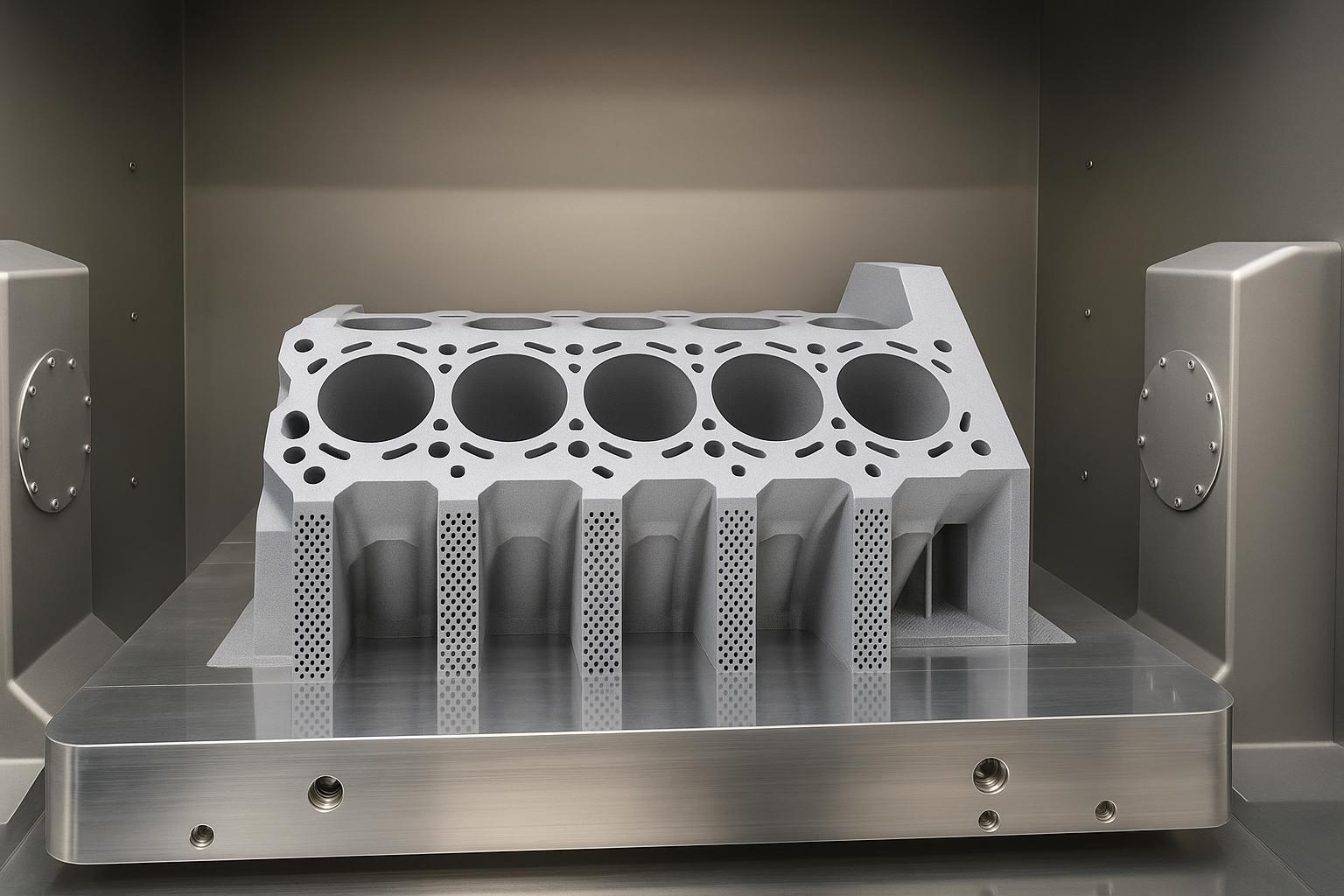
The 1.3 Firefly engine with four cylinders and eight valves represents the sweet spot in the Argo lineup, delivering 107 horsepower with ethanol and 98 hp with gasoline. The maximum torque reaches 13.7 kgfm with ethanol and 13.2 kgfm with gasoline, providing adequate responsiveness both in urban and highway environments.
Acceleration from 0 to 100 km/h is achieved in 11.8 seconds with ethanol, an intermediate performance in the segment.

The consumption declared by Inmetro is 13.4 km/l in the city and 14.7 km/l on the highway with gasoline, numbers that place the Argo among the most efficient in its category with engines over 1.0 liter.
With ethanol, the averages drop to 9.4 km/l in urban areas and 10.2 km/l on the highway, maintaining acceptable economy even with the less efficient fuel. The 48-liter tank ensures a range exceeding 600 kilometers on the highway with gasoline.
The lack of direct fuel injection, present in rivals like Polo and 208, does not significantly compromise the efficiency of the Firefly engine.
Multipoint injection simplifies maintenance and reduces sensitivity to the quality of Brazilian fuel, a feature appreciated by owners who travel long distances. The engine has demonstrated reliability in long-term evaluations, with few reports of recurring issues.
Trekking CVT and Drive 1.3 Versions: The Most Sought After by Brazilians
The Trekking 1.3 CVT version accounts for a significant portion of Argo sales, offering an adventurous aesthetic with unpainted plastic details, 16-inch diamond-cut wheels, and a panoramic sunroof.
The automatic CVT transmission simulating seven virtual gears ensures smooth shifts and optimized fuel consumption in urban routes. The average price of R$ 94,490 positions this version as an accessible alternative to more expensive automatic hatches.


The Drive 1.3 variant, equipped with the same engine but a five-speed manual transmission, attracts consumers who prioritize reduced acquisition and maintenance costs.
For approximately R$ 86,990, it offers a 7-inch digital display, UConnect multimedia system with wireless Android Auto and Apple CarPlay, digital air conditioning, and six airbags. The 300-liter trunk adequately meets the needs of small families and urban professionals.
The 2.52-meter wheelbase provides generous interior space for four adults, matching the dimensions of Fiat’s own compact SUVs, Pulse and Fastback. The rear seat offers adequate leg and head support, making medium-distance trips comfortable.
The McPherson front suspension and rear torsion axle balance comfort and stability in moderate curves.
Comparative Argo vs HB20 vs Onix: Close Competition in the Compact Hatch Segment
The Volkswagen Polo leads the segment by a wide margin, having registered 140,200 units in 2024, but the fight for second place directly involves Onix (97,508), HB20 (97,083), and Argo (91,139). The sales differences among the three models remained below 6,500 units for the year, demonstrating competitive balance. Each model presents its own arguments that explain its positions in the ranking.
The Chevrolet Onix stands out for its more modern design after the 2024 facelift and its 1.0 turbo engine producing 116 horsepower in top-of-the-line versions, offering superior performance compared to the Argo.
The HB20 benefits from a solid network of Hyundai dealerships and a more appreciated resale history, factors that weigh in the buying decision. Both, however, cost between R$ 5,000 and R$ 15,000 more than the Argo in equivalent versions.

The Fiat Argo compensates for the absence of a turbo engine with a more affordable price, generous interior space, and competitive fuel consumption from the 1.3 Firefly.
The availability of CVT transmission in intermediate versions (the Onix only offers a six-speed automatic in more expensive configurations) enhances the appeal of the Italian hatchback. The strategy of direct sales for fleets also contributes to the high volume of monthly registrations.
Fiat Argo Price 2025: Cost-Effectiveness That Sustains High Sales
The Argo 2025 range starts at R$ 80,990 for the basic 1.0 version and goes up to R$ 106,563 for the top Trekking 1.3 CVT configuration, a price range that allows Fiat to cater to buyers of their first car as well as families seeking a well-equipped automatic hatch. The positioning R$ 5,000 to R$ 10,000 below the main competitors explains a significant part of the sales growth in 2024.
The Drive 1.0 version, equipped with a 75-horsepower three-cylinder engine, offers exceptional fuel consumption of 14.2 km/l in the city and 15.1 km/l on the highway with gasoline, numbers that rival entry-level cars. For R$ 82,490, it provides a 7-inch multimedia center with wireless connectivity, a feature absent in basic versions of rivals. The audience prioritizing economy finds this configuration balances initial cost and usage expenses.
The intermediate versions Trekking 1.3 MT (R$ 90,990) and Trekking 1.3 CVT (R$ 94,490) concentrate the highest sales volume, serving consumers who value distinctive styling and the comfort of an automatic transmission without paying excessive premiums. The mere R$ 3,500 difference between manual and CVT encourages migration to automated transmission, raising Fiat’s average ticket. Financing with subsidized rates increases accessibility.
Fiat Argo Consumption: Efficiency That Reduces Costs in Daily Use
Inmetro has certified fuel consumption averages that place the Argo among the most efficient compact hatches with engines over 1.0 liter.
The 1.3 Firefly version registers 13.4 km/l in the city and 14.7 km/l on the highway with gasoline, outperforming Onix (12.8 km/l city) and matching HB20 (13.5 km/l city).
With ethanol, the numbers are 9.4 km/l urban and 10.2 km/l highway, respecting the typical ratio of 70% of gasoline efficiency.

Independent tests conducted by specialized publications confirm figures close to those declared under real usage conditions.
Urban routes with moderate traffic and air conditioning on resulted in averages of 9.2 km/l with ethanol and 13.3 km/l with gasoline in the 1.3 version. On highways at 110 km/h, the Argo reached 14.5 km/l with gasoline, demonstrating coherence between laboratory and real-world conditions.
The start-stop system, present in Drive and Trekking versions, significantly contributes to savings in heavy urban traffic, shutting off the engine during prolonged stops and restarting instantly when pressing the clutch or taking the foot off the brake.
Owners report additional savings of 0.5 to 0.8 km/l in cities with frequent congestion. The system can be manually disabled if the driver prefers.
Fiat Argo Design: A Look That Has Aged Well Since Its Launch in 2017
The aesthetic project of the Argo, signed by the Fiat Style Center in Latin America, remains current even after eight years in the market. The front features a chromed hexagonal grille, elongated headlights with LED technology in higher versions, and creases on the hood that give personality to the ensemble. The boomerang-shaped taillights and exhaust outlet integrated into the bumper complete the balanced look.

With dimensions of 3.998 meters in length, 1.729 meters in width, and 1.487 meters in height, the Argo is classified as a generously sized compact hatch, offering more road presence than entry-level models.
The 2.519-meter wheelbase provides interior space comparable to medium hatches of previous generations. The balance between compact exterior size and efficient interior utilization pleases urban buyers.
The Trekking version visually differs with its upper grille painted in matte black, bumpers with unpainted plastic applications, side trim, and longitudinal roof racks. Diamond-cut 16-inch wheels wear 195/55 tires that balance comfort and stability. The adventurous look has captured the audience seeking an alternative to compact SUVs without compromising urban drivability.
Fiat Argo Interior: Functional Finish With Adequate Technology
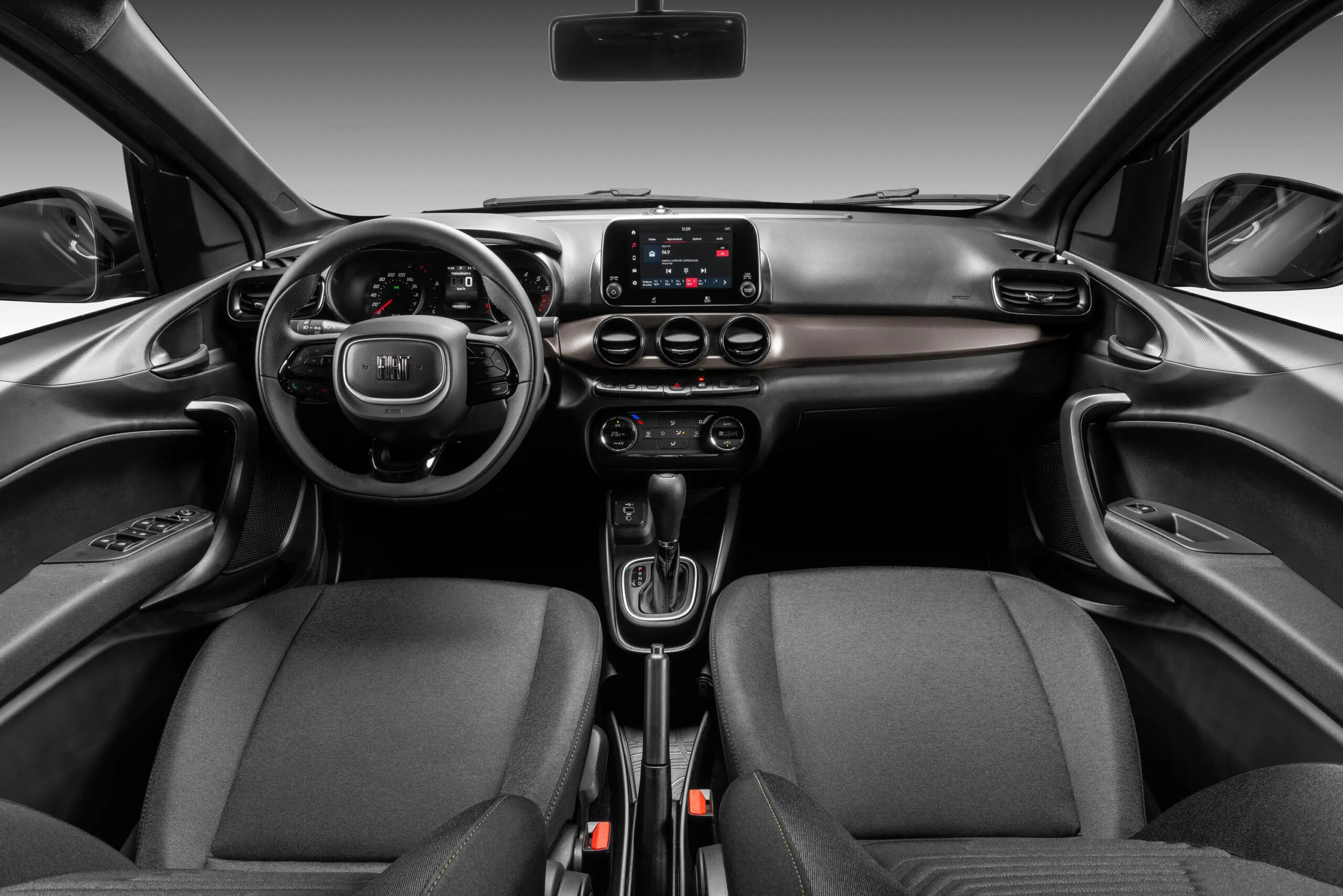
The Argo’s cabin prioritizes functionality over sophistication, with materials that balance costs and durability. The dashboard features a clean design, dominated by the UConnect 7-inch multimedia center in Drive and Trekking versions. The interface responds well to touch and quickly integrates with smartphones via wireless Android Auto and Apple CarPlay, a feature valued by connected drivers.
The multifunction steering wheel, wrapped in leather in higher versions, houses audio, phone, and trip computer controls, allowing access to information without taking hands off the wheel. The instrument panel combines analog gauges with a central digital display that shows instant fuel consumption, autonomy, average speed, and various alerts. The LED ambient lighting in Trekking versions adds a touch of nighttime sophistication.

The digital air conditioning with intuitive rotary controls maintains stable temperature even on hot days, thanks to an efficient climate control system. The front seats offer height adjustment for the driver and adequate lumbar support for trips up to 300 kilometers. The rear seat comfortably accommodates two adults, with enough legroom as long as the front occupants are not too tall.
Fiat Argo Maintenance: Competitive Costs and Accessible Parts
The Argo’s periodic revisions follow intervals of 10,000 kilometers or 12 months, with fixed costs varying between R$ 400 and R$ 1,050 depending on mileage and version. The first revision (10,000 km) costs approximately R$ 400, including oil changes, filters, and general inspections. The 20,000-kilometer revision raises the cost to R$ 750 with additional services like air conditioning filter replacement.
Wear items such as brake pads (R$ 180 to R$ 280 for the front set), brake discs (R$ 150 to R$ 220 each), and 185/60 R15 tires (R$ 280 to R$ 400 per unit) have prices aligned with competitors in the segment. The availability of components in the authorized Fiat network and the independent replacement market ensures accessibility and avoids prolonged waits for maintenance.
The Firefly engine has demonstrated above-average reliability in long-term evaluations, with few reports of recurring issues in specialized forums. Owners with over 80,000 kilometers driven report controlled oil consumption (0.3 to 0.5 liters between changes) and no significant electronic failures. The three-year warranty covers manufacturing defects but does not include items subject to natural wear.
Fiat Argo Resale: Moderate Depreciation in the Used Market
The Fipe Table indicates that the 2021 Argo retains approximately 62% of its original value, a moderate depreciation in the segment. Polo and HB20 maintain 65% to 68% of their original value during the same period, giving them a 3 to 6 percentage point advantage. The difference, while present, does not compromise the Argo’s attractiveness when considering its lower starting price.

An Argo Trekking 1.3 CVT 2021, originally sold for R$ 88,000, is currently worth between R$ 54,000 and R$ 58,000 in good condition. A 2021 Polo Highline 200 TSI AT, which cost R$ 102,000 new, is now valued at R$ 67,000 to R$ 70,000. In absolute terms, the Polo owner loses R$ 32,000 compared to R$ 30,000 for the Argo, a marginal difference that relativizes the German’s percentage advantage.
The Argo’s market liquidity in the used segment is high, with listings remaining active for 20 to 35 days on specialized platforms.
Trekking CVT versions find higher demand due to their combination of a distinctive look and automatic transmission, while basic 1.0 configurations take longer to trade. Well-preserved models with complete maintenance histories in the authorized network achieve prices 5% to 8% higher than average.