






 Portuguese
  Spanish


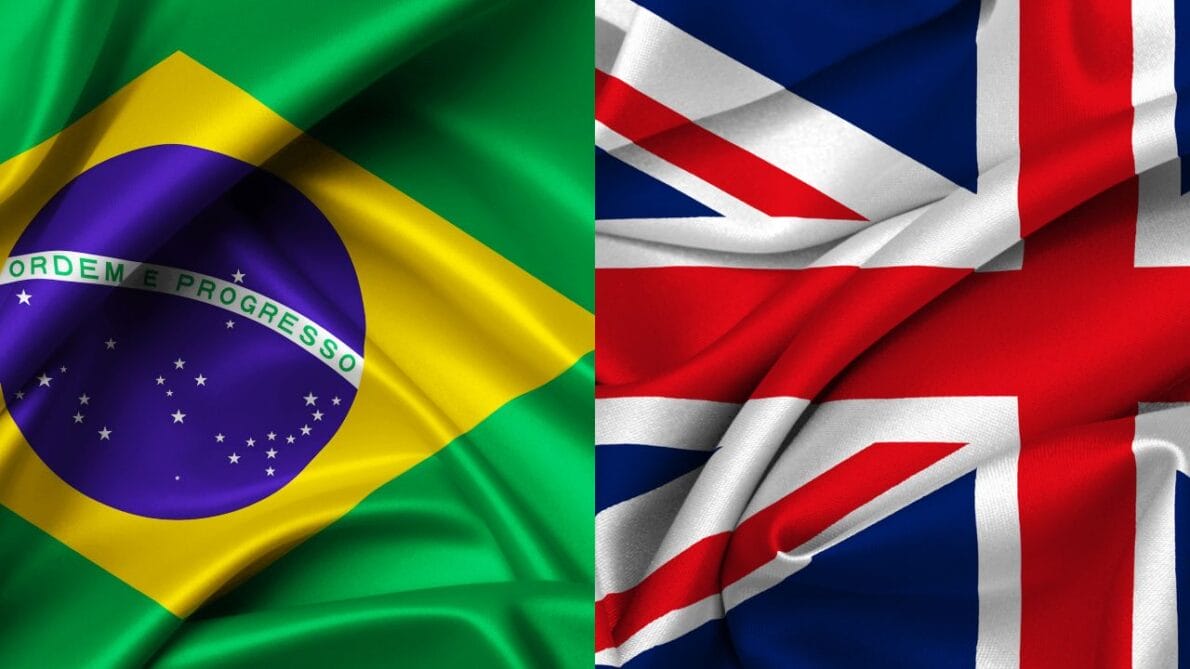


Is Brazil About to Lose Territory Because of the Pirara Issue? Understand What Is Happening in This Historic Territorial Dispute!
Let’s talk about a hot and somewhat controversial topic: the Pirara Issue. Will Brazil really lose territory to Europe in 2027? Calm down, I will explain everything!
The Pirara Issue is a territorial dispute that began in the 19th century between Brazil and the British Empire, which at the time controlled British Guiana (now Guyana). It all started around 1842, when borders in South America were being defined after the independence of South American countries. The newly independent Brazilian Empire and the British Empire clashed over who controlled the Pirara region.
The Pirara Issue
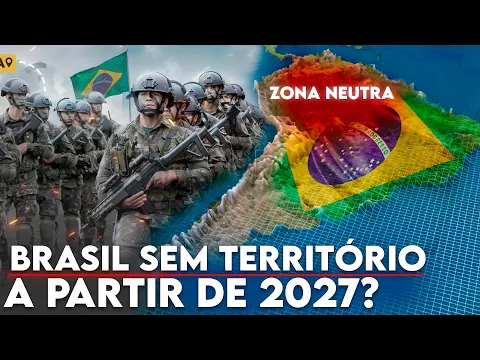

To try to resolve the issue, Brazil and the United Kingdom signed a neutrality agreement, prohibiting military occupations in the area and maintaining the indigenous villages. However, things started to heat up when British explorer Robert Schomburgk conducted geographical studies indicating that the region belonged to the United Kingdom.
-
The Arctic is no longer just a frozen region and is becoming a new military board with the opening of maritime routes, expansion of bases, nuclear icebreakers, and competition among Russia, NATO, the United States, and China.

-
U.S. Dismisses Brazilian Foreign Ministry’s Military Risk Warning as “Absurd,” Cites Brazilian Criminal Gangs Operating in the U.S. Since May 2026
-
Ukraine War Impacts Brazilian Fuel Supply: Russian Diesel Imports Drop 65% in June, Brazil Turns to US and India Amid Market Concerns

-
Chinese Nuclear Submarine Launches Simulated Warhead Missile in Pacific, Heightening Regional Tensions Amid Naval Drills with Russia Near Qingdao; New Zealand and Papua New Guinea Warn of Persistent Chinese Military Presence



Venezuela and the Essequibo Crisis
Meanwhile, Venezuela was in a similar dispute with the United Kingdom over the Essequibo region. In 1887, Venezuela severed diplomatic relations with the British after settlers began to invade neutral areas. The United States got involved in 1894, calling for international mediation, but the 1897 Treaty of Washington favored the United Kingdom, leaving Venezuela in the lurch.
Brazil in the Pirara Issue
Brazil, for its part, tried to negotiate directly with the United Kingdom about the Pirara Issue. In 1897, with the unfavorable arbitration against Venezuela, Brazil raised the alarm, seeing British movements as a threat. The dispute was submitted to the arbitration of the King of Italy, Victor Emmanuel III. Unfortunately, the decision also favored the British, who retained 60% of the disputed territory, leaving Brazil with 40% (about 15,500 km²).
At that time, Brazil was dealing with other territorial issues, such as the Acre War with Bolivia, which resulted in the Treaty of Petrópolis in 1903, and the Paraguay War. The Brazilian government decided not to contest the international decision to avoid opening other disputes with neighboring countries. Ricardo de Toma, author of “The Geopolitical Interests of Brazil in Essequibo,” explains that Brazil preferred to focus on more urgent matters and maintain stability in the region.
Can Brazil Lose More Territory?
Today, the Pirara Issue is not active, but the discovery of large oil reserves in the Essequibo region could reignite territorial disputes in South America. The scenario is complex, and any change could have significant geopolitical implications.
The Pirara Issue is an important part of Brazil’s geopolitical history and demonstrates how territorial disputes can influence international politics. Although Brazil accepted the arbitration decision in the past, the situation may change with new developments in the region. Let’s keep an eye on it and hope Brazil maintains its sovereignty without further loss of territory.







Precisamos mostrar que a América do Sul é dos sulistas e não esses europeuzinho ,só porque são Países mais antigo
Que vamos a guerra