






 Portuguese
  Spanish


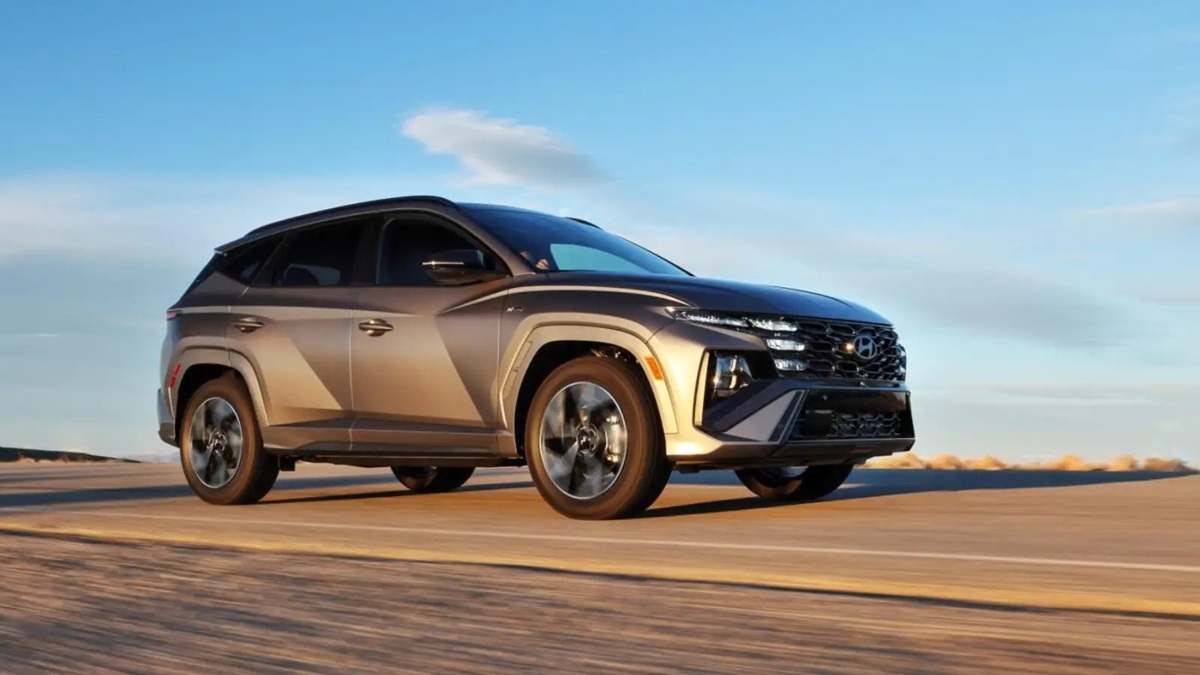


Veteran Medium SUV From Hyundai Comes to the End of the Line With Discount of Up to R$ 15 Thousand and Price Below the Creta.
The Hyundai Tucson is bidding farewell to the Brazilian market, but before exiting the stage, it delivers a gift for those seeking a medium SUV with good space and a turbo engine.
With production ending in April 2024, only the last units of the model remain at dealerships, which can now be purchased for a price lower than that of the Creta N Line, the sporty version of the compact SUV from the same brand.
The difference in positioning is significant. A car that was once a symbol of modernity is now living its last days in the shadow of a younger sibling.
-
Hyundai ix35 2019: A Forgotten SUV with 2.0 Engine and 650 km Range Costs Less Than a New Kwid in Brazil

-
Harley-Davidson Enters Urban Electric Era with LiveWire S4 Honcho Minibikes: Lightweight, Affordable, 85 km Range, Priced Around $5,000
-
Turbocharged Engines with Direct Injection: Why High-Performance Engines Over 130 HP/Liter and Turbines at 200,000 RPM Challenge Durability

-
Chevrolet’s Parent Company to Invest Billions in Brazil to Modernize Factories, Update Cars, and Accelerate Hybrid Launch by 2028

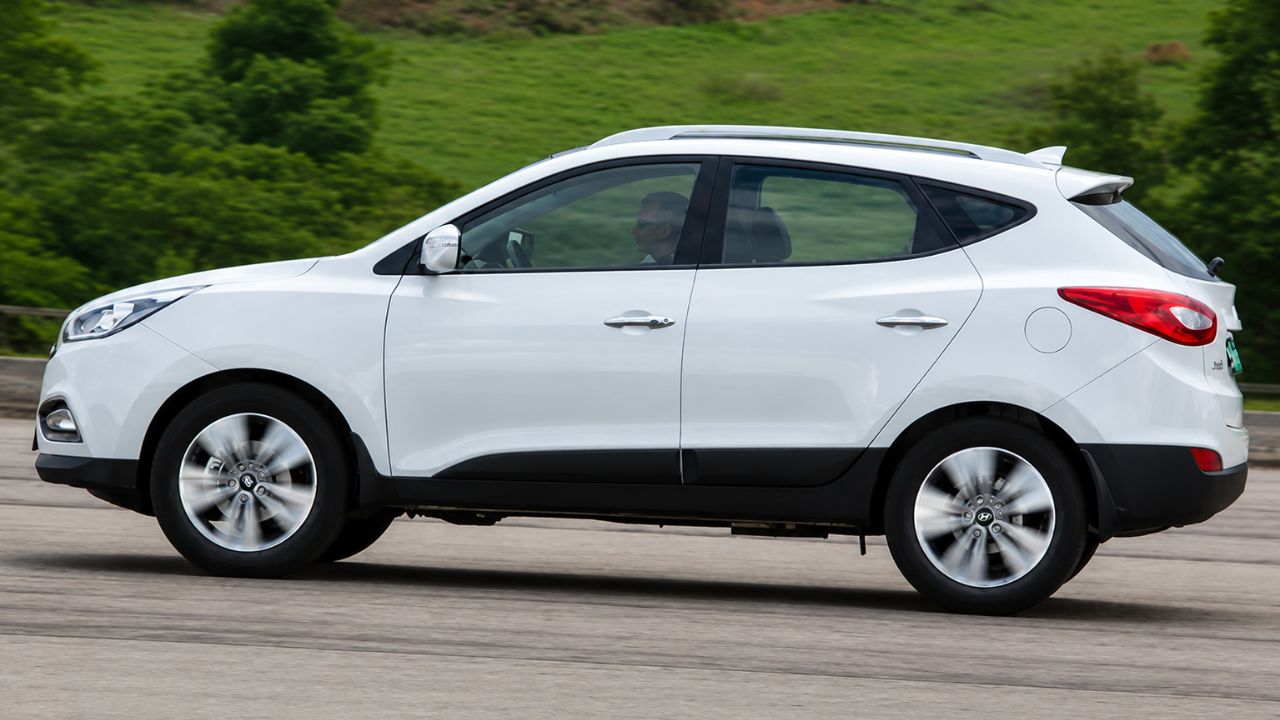


However, for those looking for a more spacious, comfortable vehicle with good performance, this could be a rare opportunity to make a good deal.
End of Production and Generous Discounts
The end of the Hyundai Tucson is directly related to a new phase of the Brazilian automotive market. With the arrival of stricter Proconve L8 regulations, the model no longer meets emissions requirements.
As a result, national production in partnership with CAOA has been halted, leaving only the stock of units already manufactured.
These last units are from the 2025 Limited version. Even without technological updates, they offer advantages that still appeal to many consumers, especially in terms of interior space and finishing.
The suggested retail price of the model is R$ 199,490, but it can drop to R$ 184,490 if the customer uses a used car for the trade-in.
This price is lower than the R$ 188,720 requested by Hyundai for the Creta N Line, a version more focused on sporty visuals but compact. In other words, for less money, the customer can get a larger car with a more powerful engine.
More Car for Less
The Tucson offers superior interior space. It measures 4.47 meters in length, with a 2.67-meter wheelbase and a 513-liter trunk.
In the Creta, the wheelbase is 2.61 meters and the trunk holds 422 liters. The difference may seem small on paper, but in daily use, it translates to more comfort in the back seat and more space for luggage.
Additionally, the Tucson’s interior finishing is surprising. There are soft materials, synthetic leather, and few visible plastics.
The air conditioning is digital with rear vents, the front seats are electric, and there is a panoramic sunroof. Even being an older design, the SUV maintains a good level of refinement.
Simpler Technology, But Sufficient
Of course, those looking for cutting-edge technology may be disappointed. The Tucson does not have a digital dashboard or wireless mirroring on the multimedia system. The system uses physical buttons and a 9-inch screen, with Android Auto and Apple CarPlay only via cable.
The steering wheel features media controls and cruise control, but there is no adaptive cruise control. In terms of safety, the model includes the main features: six airbags, stability and traction controls, hill start assist, blind-spot monitoring, and rear cross-traffic alert.
In other words, the Tucson is not an “intelligent” SUV, but it is complete enough to provide a good user experience, especially for those who do not prioritize the most modern technologies.
Reliable Mechanical Set
The 1.6 turbo gasoline engine delivers 177 hp and 27 kgfm of torque. The transmission is a seven-speed dual-clutch. It may not be the latest from Hyundai, but it still delivers good performance. According to the manufacturer, the SUV accelerates from 0 to 100 km/h in 9.1 seconds and reaches up to 201 km/h.
The fuel consumption is also pleasing: 10.6 km/l in the city and 12.2 km/l on the highway, according to Inmetro. The independent suspension on all four wheels and disc brakes at all corners ensure stability and comfort while driving.
For those prioritizing reliable mechanics, the Tucson remains a safe option. Even with a weight of 1,624 kg, its performance is within the expected range for a medium SUV.
Is It Worth It?
This is the question many ask when entering the dealership and seeing the Tucson next to the Creta. The answer depends on the buyer’s profile.
If the desire is for modern design, an all-digital dashboard, and technologies like autonomous braking, the Creta may seem more appealing. However, those who value space, comfort, and a tested mechanic may find the Tucson a rare cost-benefit option in an era of increasingly smaller and more expensive SUVs.
The look no longer deceives anyone: the Tucson is an old car. But it still pleases. With the chrome grille, LED headlights, and metallic finishing on the handles and trims, it hardly seems like a basic car. It is a veteran with dignity.


Só louco compra um falecido por preço de recém-nascido!