






 Portuguese
  Spanish


More than 2.2 million practical tests were conducted between January and May, while changes reduced costs and standardized the national assessment.
A significant transformation in the process of obtaining the National Driver’s License increased the demand for practical tests in Brazil.
Between January and May 2026, 2,280,021 driving tests were conducted across the entire national territory.
The result represents an increase of 23.5% compared to the same period in 2025.
-
Brazil’s Lula Government Allocates $463 Million Quota for Electric Car Parts, Waives Import Tax Until December, Sparking Competition Among BYD, Automakers, and Unions as Consumers Question Impact on Prices and Local Industry

-
Thinking of Installing LED Headlights? Why Replacing Halogen Bulbs is Still Banned, the Glare Risks Authorities Worry About, and How a New Proposal Could Allow Certified, Safe Installations

-
2027 Toyota Corolla Cross Unveiled: New Design, Enhanced Fuel Efficiency, Reduced Maintenance Costs, Advanced Technology, Connected Services, and Up to 10-Year Warranty
-
Fiat Cronos Precision 2018: Affordable Sedan with Spacious Trunk and Reliable Maintenance




During that interval, 1,845,694 assessments were recorded, according to data released by the Ministry of Transport on June 24, 2026.
The issuance of the first driver’s license also reached the highest result ever recorded for the first five months of a year.
Changes increase demand for the first license
The new guidelines modified important stages in the training of future drivers.
As a result, 2,343,393 practical activities were recorded between January and May 2026.
The number was approximately 20% higher than the result observed during the same interval in 2025.
Even with the increase in demand, there was no increase in queues in the final stage of the process.
According to the Ministry of Transport, 1,138,190 drivers received their first license during the analyzed period.
This result marked the highest volume ever identified in the series monitored by the department for this annual interval.
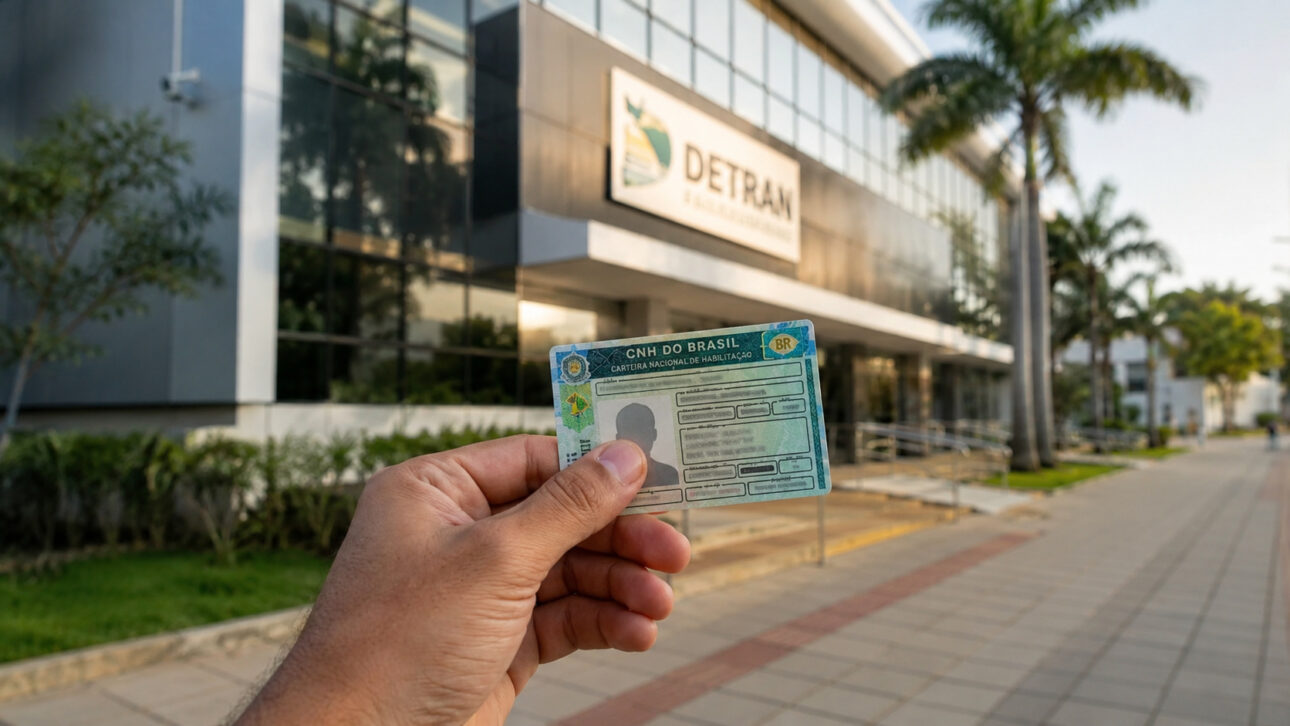
Cost reduction benefits driver’s license candidates
The changes also reduced some of the expenses necessary to obtain the license.
Previously, the theoretical course necessarily depended on hiring a driving school.
With the removal of this requirement, candidates now have other preparation options.
According to the Ministry of Transport, the change provided savings exceeding R$ 1.84 billion across the country.
In states like Minas Gerais, Santa Catarina, and Rio Grande do Sul, this stage could cost approximately R$ 1,000.
Total expenses for theoretical and practical classes ranged between R$ 3,000 and R$ 5,000.
More than half of the savings recorded nationally were concentrated in six federal units.
The survey considers the 26 Brazilian states and the Federal District.
New manual standardizes driving exams
The practical evaluation also underwent a broad national standardization.
On February 1, 2026, the National Traffic Secretariat published the Brazilian Manual of Vehicle Driving Exams.
The document regulated points of the Contran Resolution No. 1,020, published on December 1, 2025.
From this change, the exams began to follow similar parameters in all states and the Federal District.
The parallel parking test ceased to function as an isolated and mandatory stage of the evaluation.
The skills related to parking, however, can still be verified during the route defined by the examiner.
Points system modifies approval criteria
Another important change occurred in the classification of faults committed during the practical exam.
Currently, minor faults correspond to one point, while medium faults represent two points.
Serious faults, in turn, add up to four points.
Very serious faults add six points to the candidate’s result.
The driver can be approved as long as the sum of the penalties does not exceed ten points.
Upon reaching this limit, the participant is automatically disqualified.
The new structure also eliminated the single fault capable of immediately ending the evaluation.
Thus, the candidate can complete the route after committing a fault that previously would have caused instant elimination.
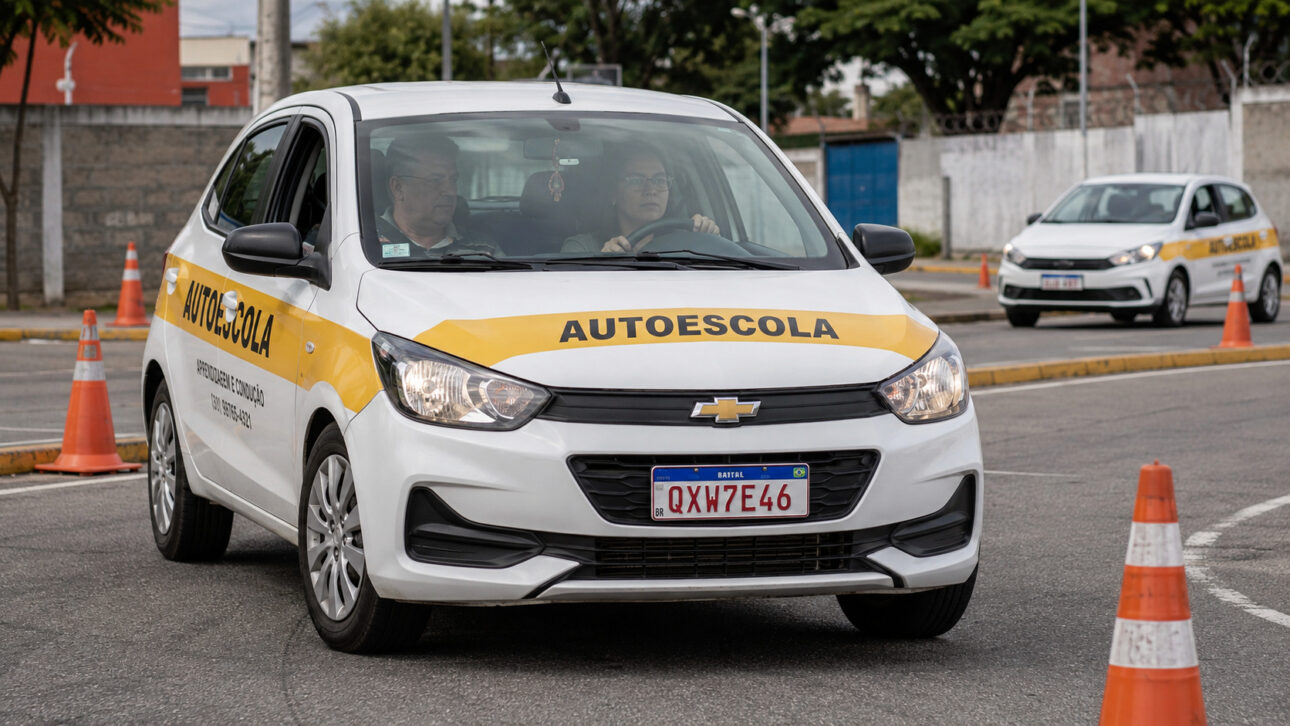
New rules change the CNH scenario in Brazil
The results show that the changes directly influenced the demand for tests and the issuance of new licenses.
The cost reduction also expanded possibilities for candidates who faced financial difficulties during training.
National standardization, on the other hand, established similar criteria for the application and correction of practical evaluations.
The numbers recorded between January and May 2026 indicate a significant expansion in the process of obtaining a first license.
Maintaining this growth will depend on the ability to preserve the quality, organization, and safety of the evaluations.
In your opinion, can the cost reduction and new rules facilitate access to the CNH in Brazil? Leave your comment!


