Portuguese
  Spanish


Decommissioning of Wells Should Move Billions in Brazil by 2029, Highlighting Espírito Santo, Which is Preparing to Become a Strategic Hub in the New Phase of the Oil and Gas Industry
By 2029, Brazil is expected to decommission 3,773 oil and gas wells. In Espírito Santo, there will be 403. The process involves the permanent abandonment of the wells, the removal of lines, equipment, and structures.
To this end, R$ 70.2 billion will be invested across the country and R$ 5.3 billion in the state. The information is in the Oil and Natural Gas Industry Yearbook from Findes.
The high cost is justified by technical and environmental requirements. The work needs to follow strict regulations and use advanced technology. Therefore, it opens up opportunities for sectors such as metalworking, waste management, and the naval industry.
-
Petrobras Begins Drilling Controversial Oil Well in Brazil’s Equatorial Margin Near the Amazon River Mouth

-
Petrobras Sets Record with 2.66 Million Barrels Per Day in Brazil’s Pre-Salt Oil Production
-
Petrobras to Double Natural Gas Supply in Northeastern Brazil with New Investment
-
Petrobras Approves $1.2 Billion Refinery in Brazil to Produce Aviation Fuel and Diesel from Plants
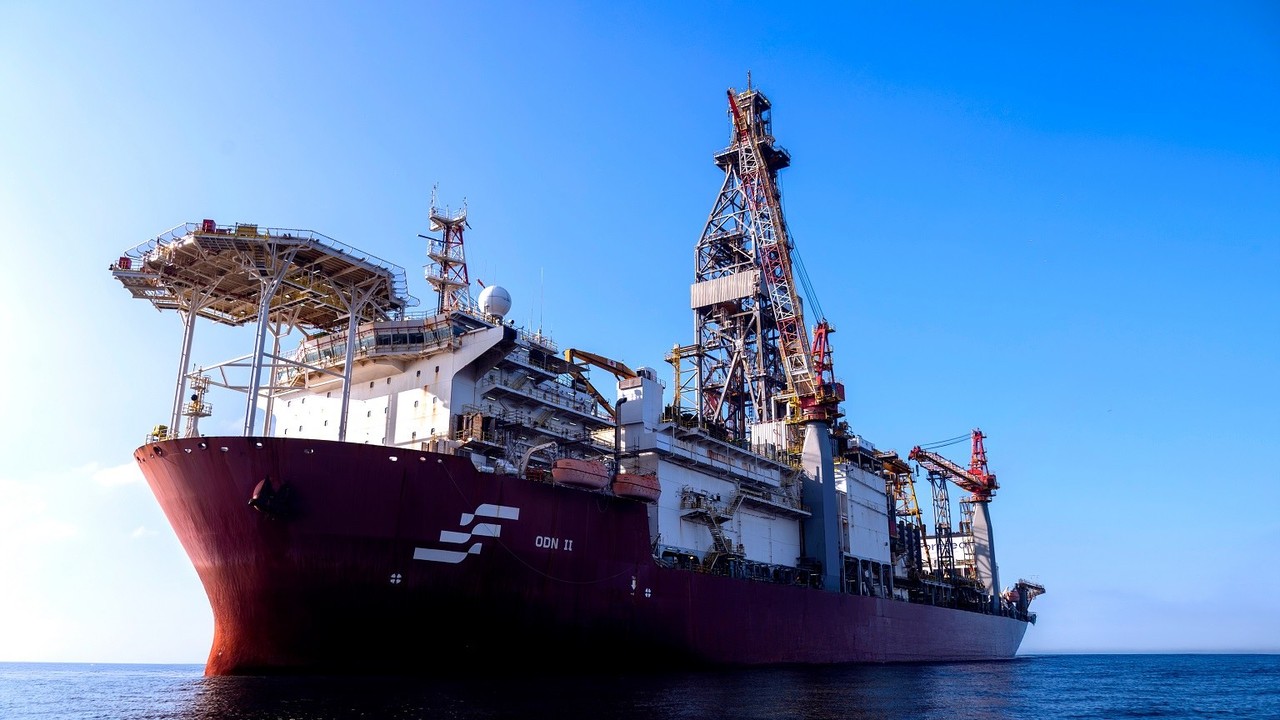


Shipyards prepared for this type of service are rare in Brazil, which causes part of the resources to go to countries like the United States, Europe, and Asia.
Petrobras Leads Operation with 23 Platforms
Only Petrobras is expected to decommission 23 platforms by 2028, with an investment of US$ 11 billion. After that, another 40 units are expected to go through the same process.
In addition to the environmental and technological challenge, there is an economic advantage: the dismantled components have high market value. This allows for gains from carrying out the service as well as from selling recycled materials.
Decommissioning is seen as a new business frontier. Therefore, companies are mobilizing to meet the demand. The naval sector, in particular, is one of the most promising. However, there are still insufficient structures in Brazil to fully harness the potential.
Espírito Santo Attracts Large Investments
With a strategic location, Espírito Santo is facing the pre-salt layer. This has drawn the attention of investors. Vports is already analyzing the creation of a facility in Aracruz, on an area of 500 thousand square meters.
M.A.R.S. (Modern American Recycling Services) has signed a memorandum with Porto Central, currently under construction in the municipality of Presidente Kennedy, to set up a shipyard at the site.
The activity shows that decommissioning does not signify the end of exploration. On the contrary: it represents the beginning of a new phase of opportunities in the oil and gas sector.
With information from A Gazeta.