Portuguese
  Spanish



Business Strategy Leads Raízen to Discontinue Traditional Plant, Moving More than R$ 1 Billion and Changing the Scenario of the Sugar-Energy Sector in São Paulo.
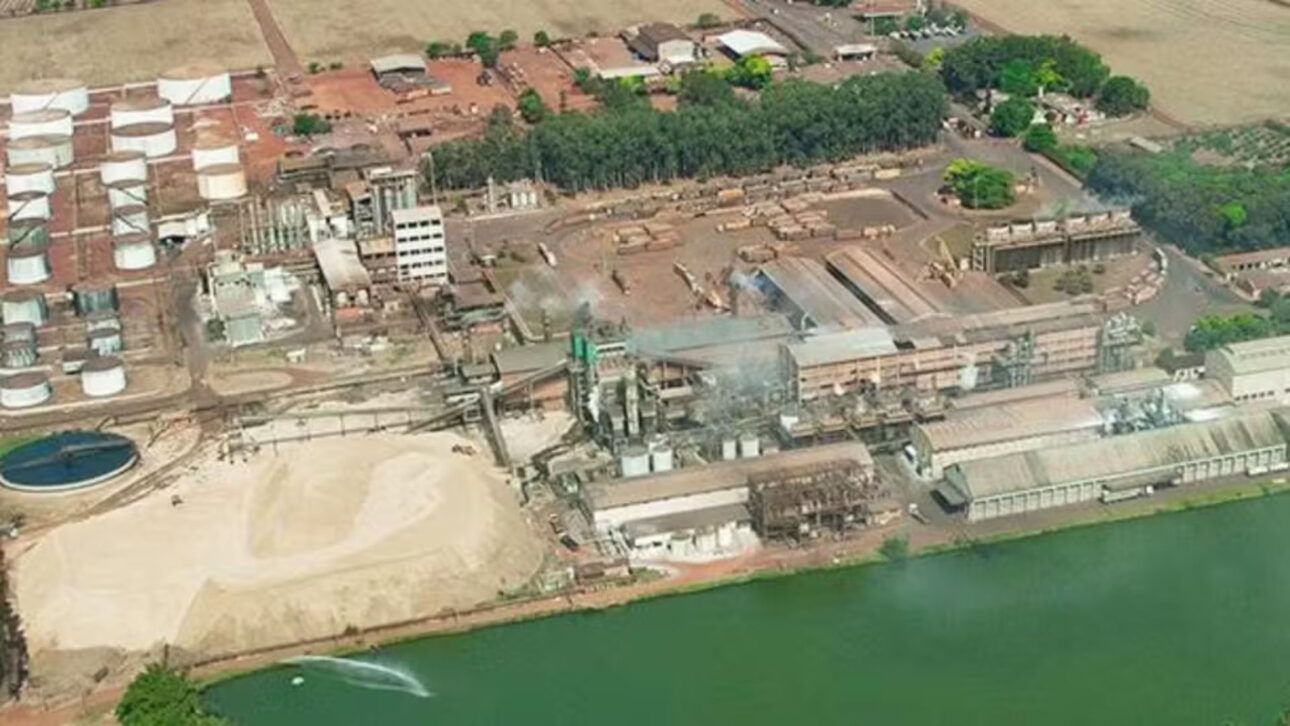
Raízen, one of the major companies in the Brazilian sugar-energy sector, announced on Tuesday (15) the indefinite discontinuation of operations at the Santa Elisa Plant, located in Sertãozinho, São Paulo state.
The measure is part of a broad portfolio recycling strategy by the company, aiming for greater operational and financial efficiency in a sector historically characterized by transformation cycles.
The official announcement was made through a market statement, detailing that the subsidiary Raízen Energia has signed contracts for the sale of up to 3.6 million tons of sugarcane, totaling up to R$ 1.045 billion, a value that will be entirely allocated to reducing the company’s indebtedness.
-
Brazilian Startup Turns Coffee Grounds into Plant-Based Leather, Cutting Water Use by Over 50 Times for High-Impact Sustainable Fashion

-
Eco Invest Auction Aims to Unlock $10 Billion in Investments, Focusing on Green Fertilizers, Critical Minerals, Batteries, and AI for Clean Industry in Brazil

-
Half of Brazilians Prefer Lower Taxes with Private Health and Education, While 44% Opt for Higher Taxes for State-Provided Services, Datafolha Survey Reveals

-
Brazil’s Most Expensive Toll Rises to R$ 40.60 on Route from São Paulo to the Coast, Nearly Matching Bus Fare to Santos




Billion-Dollar Sale of Assets and Debt Reduction
The operation represents one of the largest recent movements in the national sugar-alcohol market, involving not only the discontinuation of an iconic industrial plant but also a significant reorganization of agricultural assets.
The implied multiple of the deal, around US$ 53 per ton of sugarcane traded, does not include the industrial asset of the plant, which remains under Raízen’s management.
According to industry sources, this price level is aligned with the main market transactions made in the last two years, reflecting both the quality of the sugarcane fields and the productive potential of the lands sold.
In the same statement, Raízen explained that the proceeds from the sale will be primarily directed to debt amortization, in line with the deleveraging movement observed among large companies in the Brazilian agribusiness sector since the beginning of 2024.
Agricultural finance specialists point out that, given the scenario of high-interest rates and cost pressures, companies have prioritized strategies that bring greater liquidity and allow for new investment cycles.
São Martinho Expands Production with Acquisition of Strategic Areas
São Martinho, another giant in the sugar-energy sector, confirmed to the market the acquisition of approximately 10,600 hectares of sugarcane areas that were previously owned by the Santa Elisa Plant.
The deal could reach R$ 242 million, according to a relevant fact disclosed by the company on the same day.
As detailed by São Martinho, the acquisition of the areas is expected to significantly increase the company’s productive capacity in the coming harvests.
Internal projections indicate potential for the production of around 600,000 tons of sugarcane already in the 2026/27 harvest, a volume that may reach 800,000 tons starting in the 2028/29 cycle, consolidating a new sugar production cycle in the state of São Paulo.
Historical Importance of the Santa Elisa Plant for the Sector
The Santa Elisa plant, founded in the early 20th century, has a remarkable history in the São Paulo sugar-energy sector.
For decades, it was a reference in innovation and productivity, in addition to contributing to regional economic development and job generation in Sertãozinho and neighboring cities.
The cessation of its activities, even if temporary, marks the end of a historical cycle and paves the way for a new configuration in the sugar and ethanol production chain in the interior of São Paulo.
Strategic Transformations in the Sugar-Energy Sector
Consulted experts evaluate that the asset restructuring promoted by Raízen is part of a growing trend among major agribusiness players, seeking to optimize their operations and maximize returns in light of regulatory changes, technological advancement, and sustainability requirements.
The sale of the sugarcane fields reinforces the company’s strategy to focus efforts on assets considered more strategic while allowing São Martinho to expand its agricultural base and enhance economies of scale.
The expectation is that the transfer of assets will have a direct impact on the supply of raw materials to São Martinho’s plants in the medium and long term, in addition to contributing to the movement of the agricultural land market in the interior of São Paulo.
No timeline has been provided for resuming industrial operations at the Santa Elisa Plant, and Raízen stated that it will continuously assess market conditions before deciding on any reactivation.
Outlook and Trends for Sugarcane Production
The Brazilian sugar-energy sector continues to seek greater global competitiveness, especially in light of the growing demand for biofuels and renewable energies.
According to recent data from the Sugarcane and Bioenergy Industry Union (Unica), Brazil remains one of the world’s largest producers of sugar and ethanol, with a focus on the Central-South region, where the largest plants in the country are concentrated.
The movement involving Raízen and São Martinho signals, according to analysts, a new moment for the sugar cycle in São Paulo.
In addition to reorganizing assets and strengthening the liquidity of the companies involved, the deal is expected to influence future investment decisions and stimulate the adoption of technologies aimed at productivity and sustainability in sugarcane fields.
Regional Impacts and Future of the Sector
In a dynamic sector like sugar-energy, strategic decisions of this magnitude tend to resonate not only through the production chain but also in local communities and in job and income generation.
The discontinuation of the Santa Elisa Plant, alongside São Martinho’s expansion, casts a new light on the future of sugarcane production in São Paulo and raises questions about the next steps for the major companies in the sector.
Given this scenario, what strategies will be adopted by other market players to remain competitive and sustainable in the face of new demands and opportunities in Brazilian agribusiness?