






 Portuguese
  Spanish


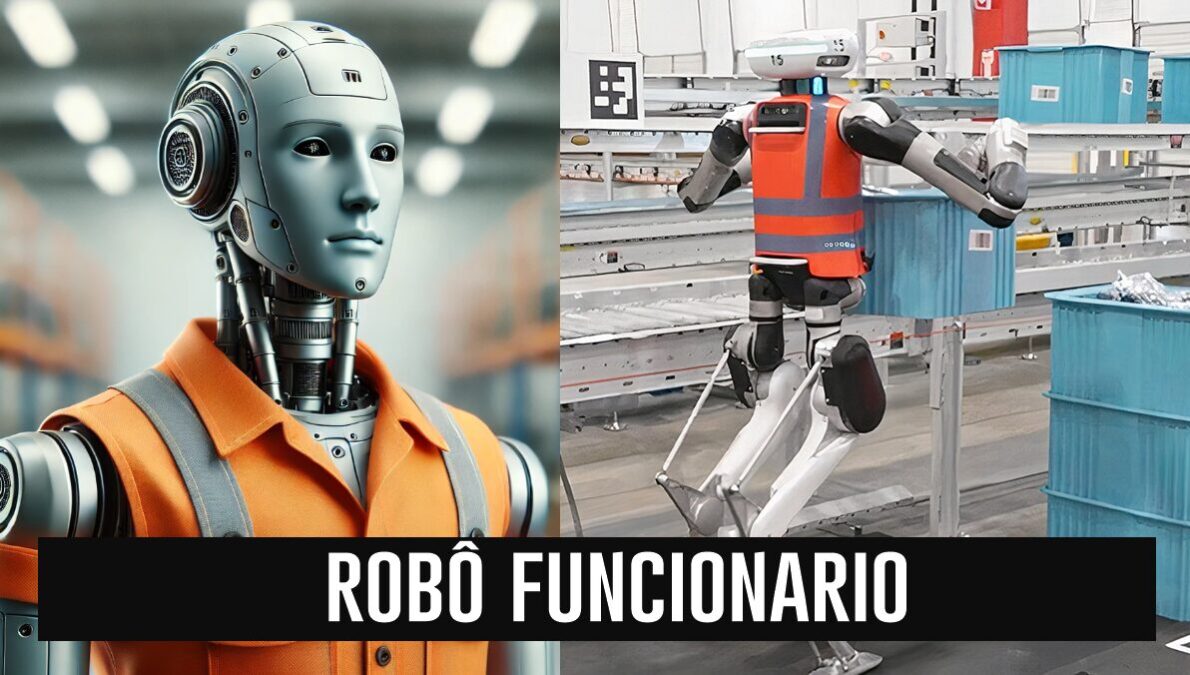

Already In Action In The United States, A Working Robot Is Causing Concerns About The Future Of Jobs In Warehouses. Humanoid Robots: The Future?
A Agility Robotics Inc., one of the leaders in humanoid robot development, is about to transform the industrial landscape with the production of its latest creation: the Digit. Bloomberg visited Agility’s factory last month, known as RoboFab, revealing fascinating details about the future of this technology. Is It The End Of Jobs?
Located in Salem, Oregon, RoboFab is about to deliver its first fourth-generation humanoid robots, which promise to redefine automation in environments designed for humans.
The Innovative Structure Of RoboFab And The Production Of Digit
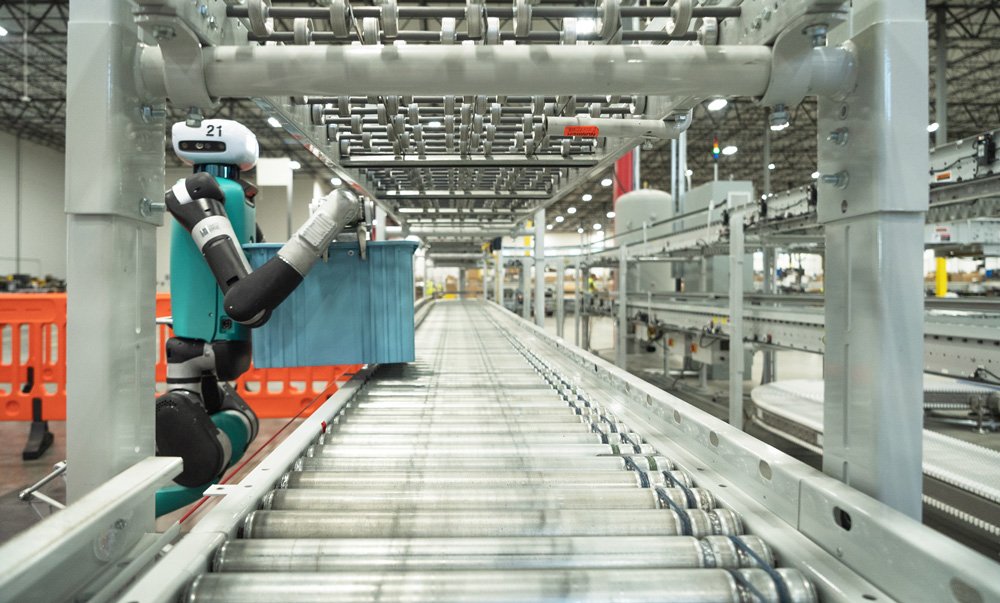
Agility’s 70,000-square-foot (approx. 21 km) facility is designed to produce up to 10,000 robots per year. Currently, one of the four production lines is already in operation, with the assembly of arms, legs, trunks, and heads of robots taking place at dedicated stations.
-
Researchers want to change the way of producing rare earth magnets, reducing purification steps and making better use of the elements found in Swedish deposits.

-
5.5 tons pulled from the seabed: a ‘living carpet’ of invasive coral was suffocating the Baía de Todos-os-Santos until the Brazilian Navy descended with divers, steel brushes, and acid salt to carry out the largest eradication operation of the species ever conducted in the country.

-
A Brazilian project dumped 5,500 concrete blocks and 2 barges into the ocean to block trawling in Paraná, and 25 years later what seemed like a risky intervention turned into an underwater nursery, a diving spot, and a refuge for endangered species.
-
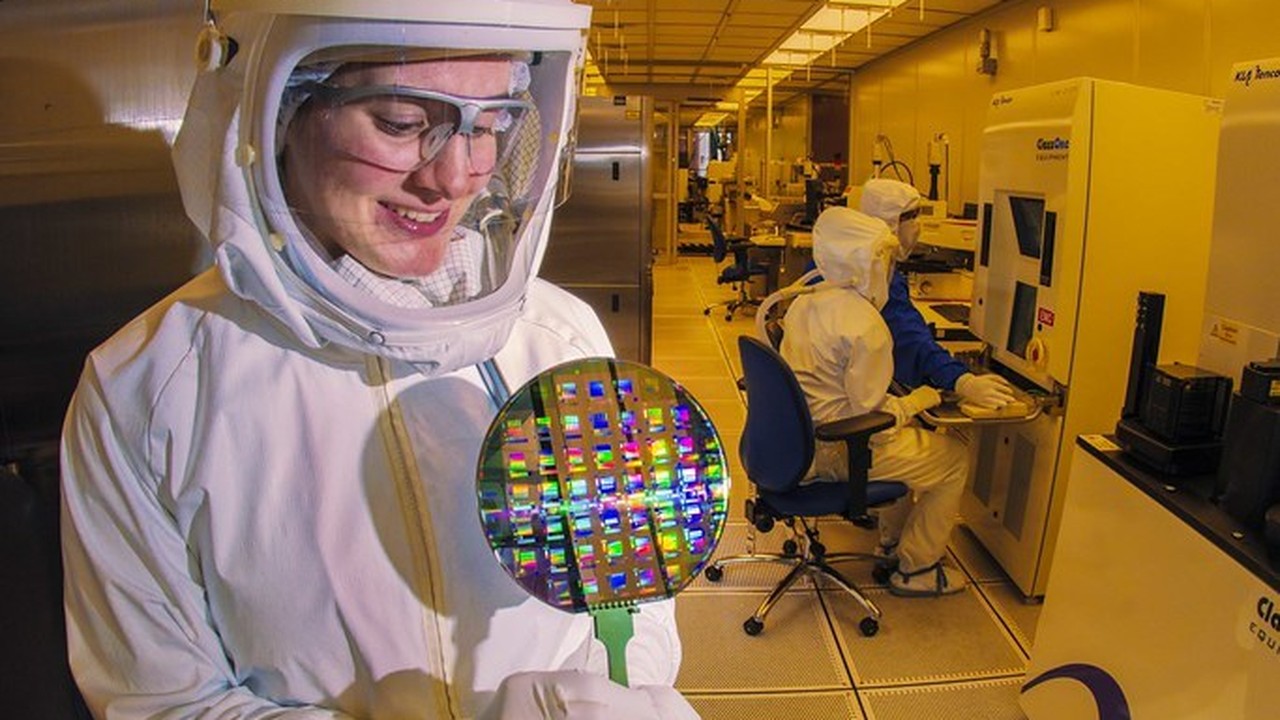
Micron invested $9.3 billion in a factory in Hiroshima to produce the memory that powers the brain of global artificial intelligence.



Unlike other robot factories, RoboFab is described by Agility’s CEO, Peggy Johnson, as “capex light,” meaning it does not require the expensive machinery found in automotive factories. Agility’s robots can be manually assembled by workers using simple tools like screwdrivers.
Despite the manual process, the complexity of the assembly is evident. During the visit, a Digit robot was in the prototyping phase, with circuits, sensors, and actuators exposed, creating a picture reminiscent of a human nervous system.
This phase is essential to ensure that the design is ready before workers install the complete hardware in the next generations of the robot.
The Application Of Digit And The Growing Demand
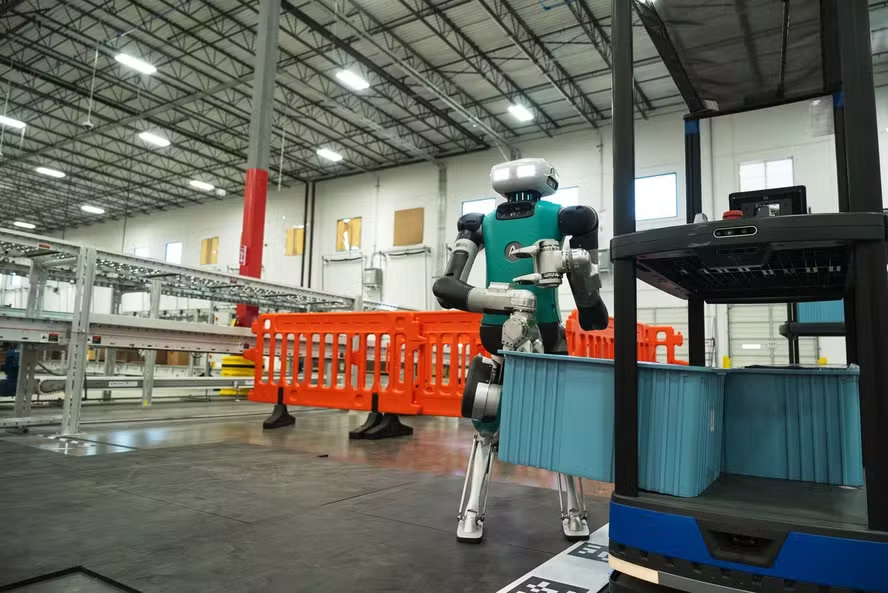
Agility already has robots in operation at a Spanx warehouse managed by GXO Logistics and is conducting tests at Amazon distribution centers.
These robots are designed to work in traditional human workspaces, utilizing powerful batteries, motors, and advanced sensors. The demand for these machines is rapidly growing, driven by the need for automation in logistics and industrial sectors.
Johnson mentioned that the company, which has already raised $180 million in investments, will need more capital to fund the transition from research and development to mass production. With increasing demand, Agility is accelerating its manufacturing process to meet the market.
Challenges In Managing And Integrating AI In Controlling The Digit
Initially, the management of RoboFab was to be overseen by Aindrea Campbell, a former executive of Apple and Ford, who, however, returned to Apple this year.
The co-founder and former CEO of Agility, Damion Shelton, has taken responsibility for the assembly operation. Additionally, Agility has hired Daniel Diez, a former colleague of Johnson at Magic Leap, as strategy director.
Although the humanoid robot market experienced a frenzy of investments earlier this year, with promises of robots capable of “thinking” in their environments, Agility is betting on a more practical approach.
Instead of creating robots that perform acrobatic feats for the internet, as Johnson pointed out in comparison to competitors, the company’s focus is to put its robots to work in shifts at real locations.
The Control Software Of The Digit Is Also Evolving. Agility is integrating AI language models similar to ChatGPT, allowing the robots to make more autonomous decisions and enhance their functions in complex environments.
The Future Of Humanoid Robots
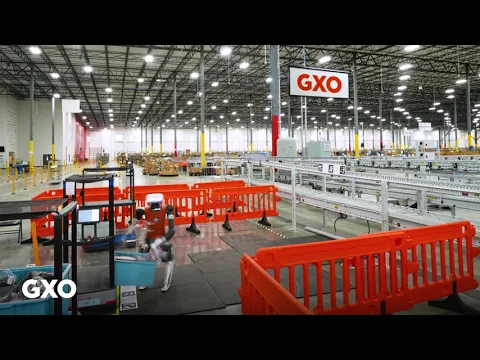

Agility Robotics is on track to become one of the most relevant companies in the automation landscape with humanoid robots.
RoboFab is not just a factory, but an example of how humanoid robot technology can be adapted to traditional work environments. With growing demand and investments, it is likely that Agility’s robot production will rapidly expand in the coming years.
The use of robots in warehouses and factories is about to become the norm, with machines like the Digit taking over repetitive and physically challenging human tasks. Agility’s success will reflect its ability to deliver robots that not only perform specific tasks but are able to adapt and evolve in the workplace, thanks to advanced artificial intelligence.
Humanoid robots like the Digit may seem like a futuristic vision, but Agility Robotics is demonstrating that this future is closer than ever.








Bom dia, para os empresários será uma maravilha, agora para o sistema será péssimo, governo não vai ter como cobrar impostos de milhares de desempregados, uma vez desempregados, vão se manter como, alimentação, consumo, etc… vejo isso, como um colapso.