Portuguese
  Spanish



Firjan Predicts Receipt of 57 New Platforms by 2030 and Increased Demand for Support Vessels
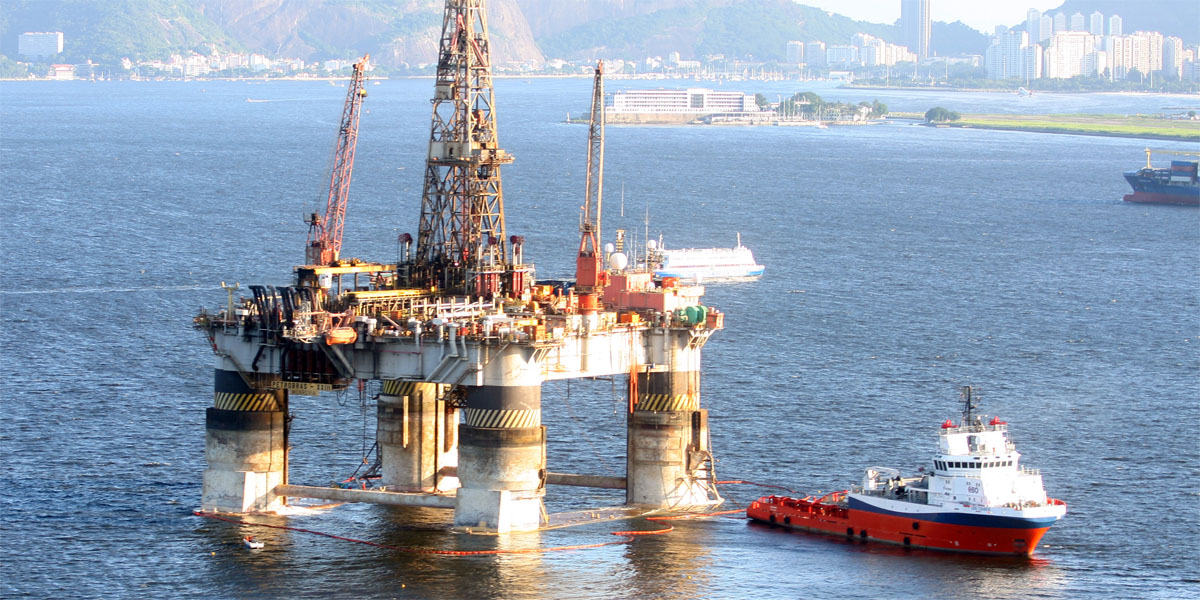
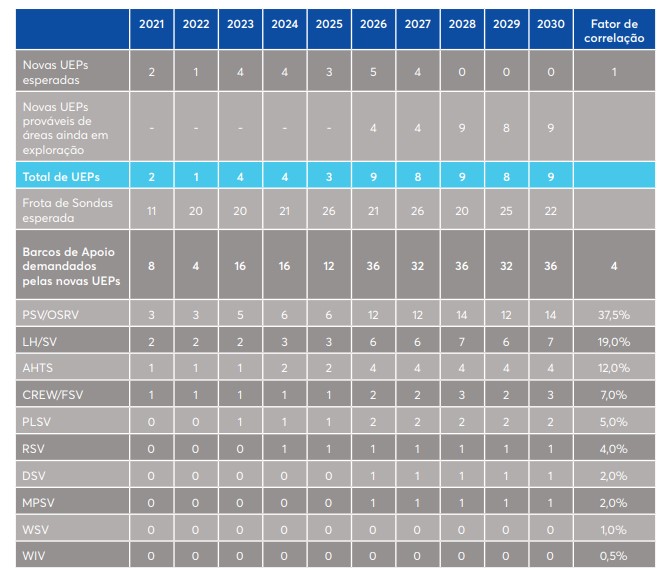
Yesterday, Firjan – Federation of Industries of Rio de Janeiro, launched a new document online about the Naval Program of Rio de Janeiro, projecting that Brazil will receive 57 new platforms by 2030. As a consequence, several support vessels will be needed to support exploration and production operations.
Check Out More News of the Day:
- Petrobras Extends Registration for 236 Vacancies in Its Young Apprentice Program
- Oil and Gas Multinational Oceaneering Receives Resumes in Macaé, Niterói, and Rio de Janeiro for Technical and Higher-Level Positions
- Giant 352-Ton Turbine Arrives at Eneva Thermoelectric Complex in Santo Antônio dos Lopes
- Fast Charging Station for Electric Vehicles Inaugurated by Neoenergia in the Northeast
Firjan stated that “there were no significant opportunities to reverse the ongoing crisis of confidence, causing contracts for new FPSOs to continue to be directed to China,” while reporting on projections regarding the platforms, which were also impacted by the Covid-19 pandemic.
Demand for Support Vessels and Drilling Rigs:
-
A city with 8,000 inhabitants will receive R$ 25 billion to host the largest single-stage pulp mill in the world, with a production of 3.5 million tons per year and a cost of R$ 45 million.

-
He left India for Oman in 1976, entered through the door of luxury finishes, and took Sobha to the premium real estate market in the Middle East.

-
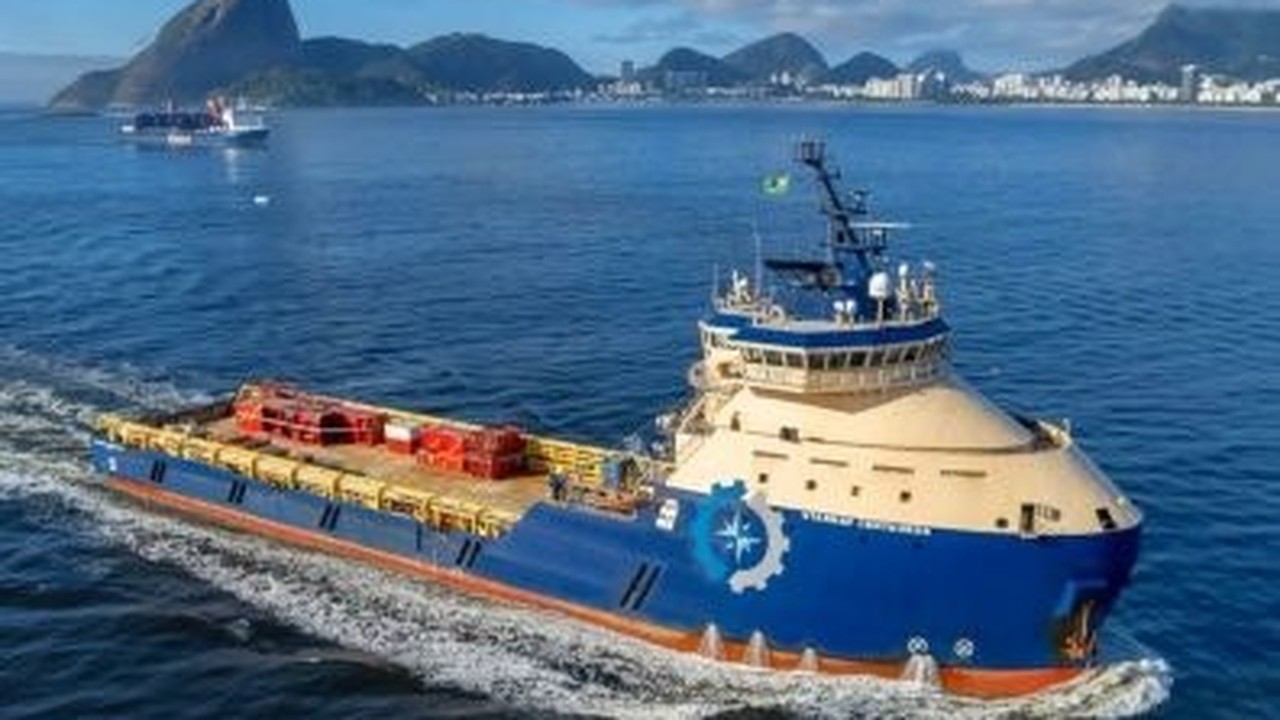
Starnav orders 10 hybrid vessels with German MTU engines in Itajaí and prepares fleet to serve Petrobras in the pre-salt for 12 years.

-
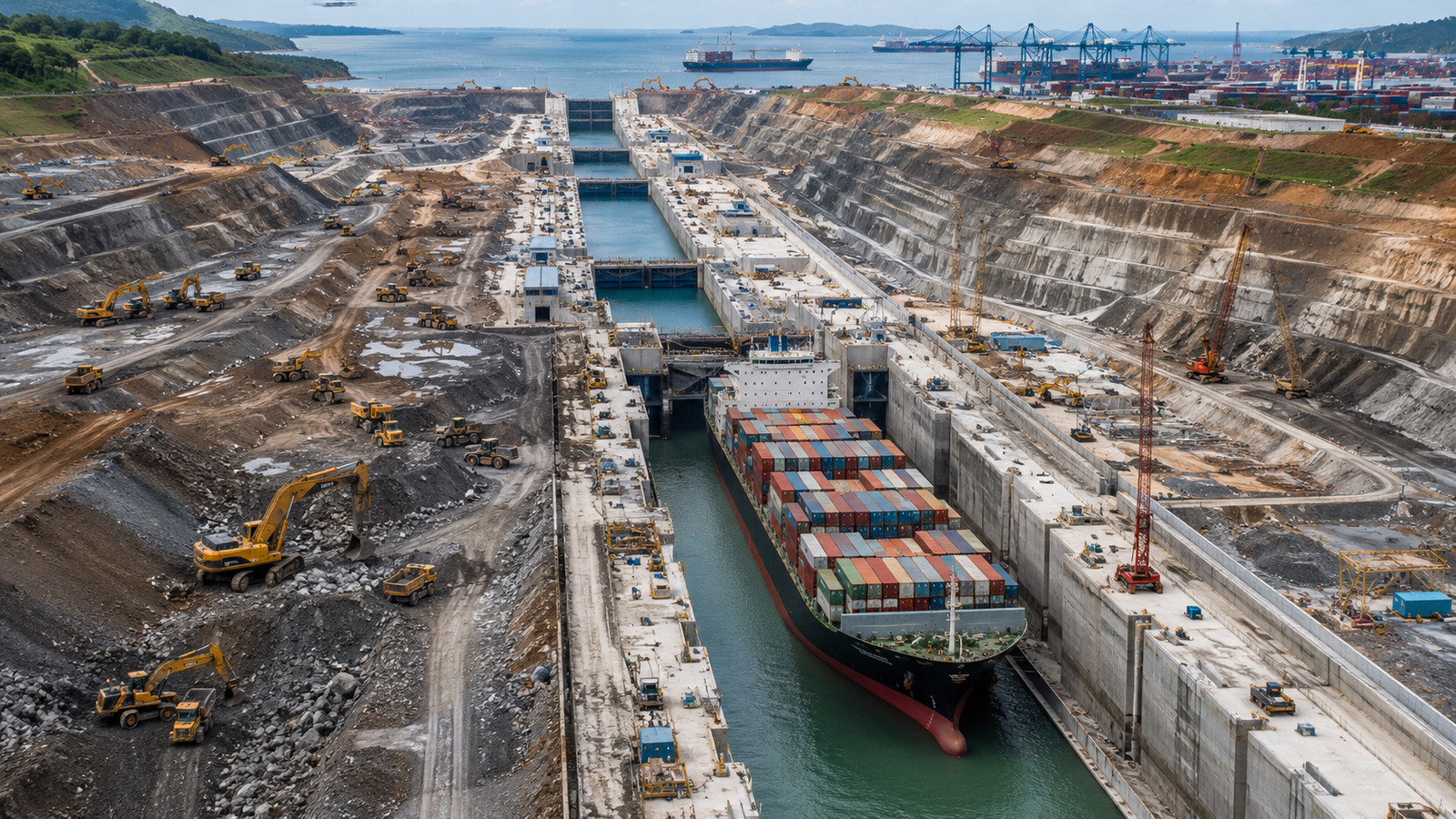
China wants to impress the world once again with a mega canal featuring giant locks, deep waters, and space for the largest ships, in a project aimed at shortening journeys, reducing queues, and rivaling the Panama Canal in global trade.


The federation’s document also covers the area of national defense, which will generate significant naval demand for the Navy, and anticipates several contracts, highlighting the Antarctic support vessel currently in bidding. These opportunities may bring new business for shipyards and supply chains in Rio de Janeiro and Brazil.
The report also analyzed other very important areas of activity, such as the decommissioning and dismantling of platforms and vessels. According to the document, more than 100 oil platforms will be deactivated, with a market size of approximately 90 billion reais.
The document on the Naval Program of Rio de Janeiro can be accessed through this link, which redirects to Firjan’s website, which also shows the study data.