Portuguese
  Spanish


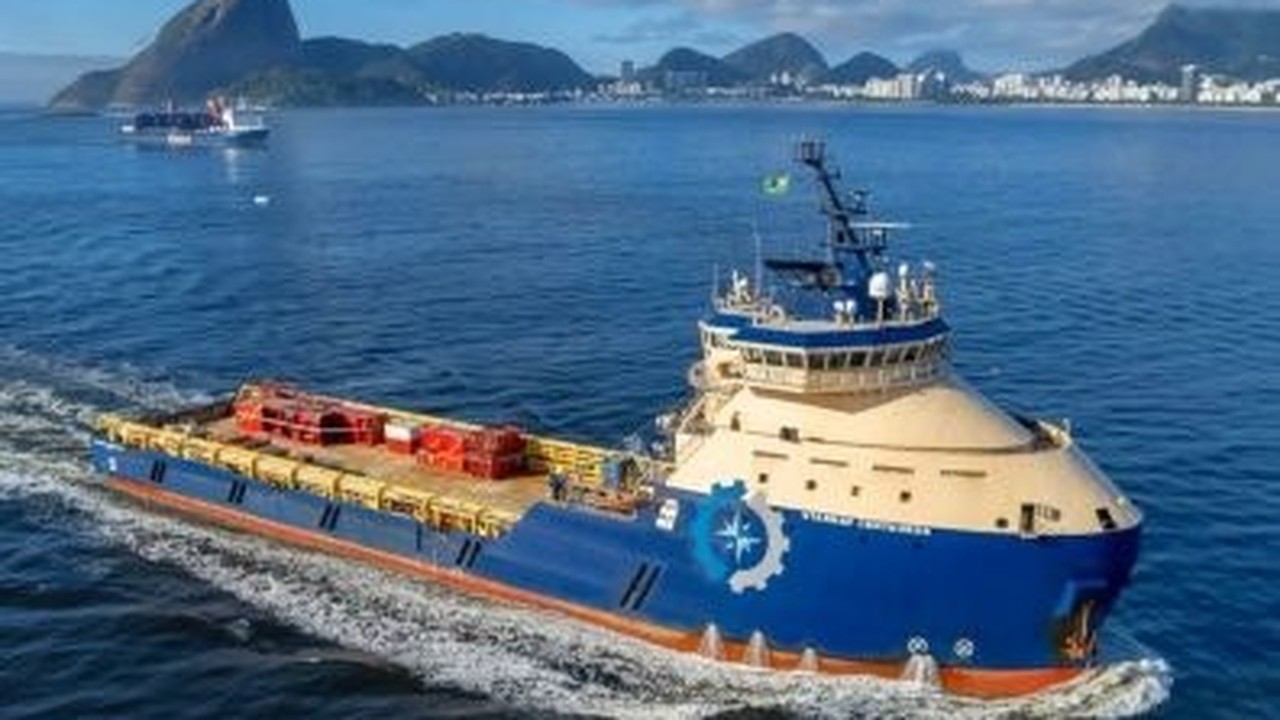

Starnav Maritime Services, from Itajaí, ordered 10 new hybrid offshore support vessels with German MTU engines from the 16V 4000 M33S line, a package worth R$ 2.5 billion financed by the Merchant Marine Fund that will renew a large part of the fleet serving Petrobras in the pre-salt and results in a direct 18% reduction in emissions as a result of the investment.
The announcement was made on Wednesday, July 9, by the company from Rio Grande do Sul, born in southern Santa Catarina, and it caught the attention of the Brazilian naval sector with a detail that rarely appears so organized: four points of the contract were tied at the same time. National shipyard, imported engine, hybrid propulsion with battery, and 12-year charter with Petrobras. The entire package supports the technical schedule of operations in the pre-salt and reduces the state-owned company’s exposure to the spot market for support vessels, which became tight after the offshore production surge.
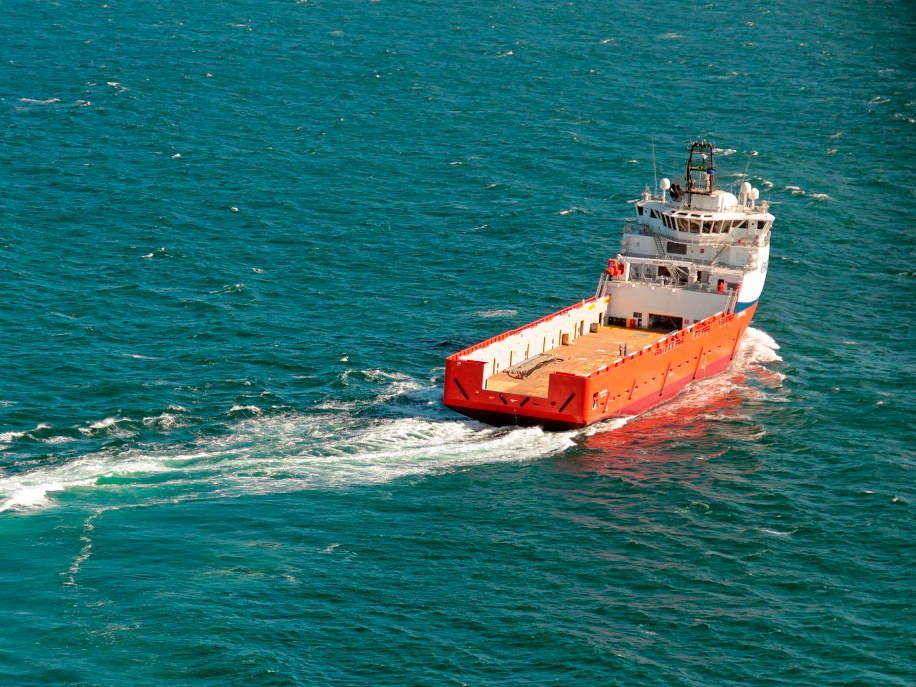
Among the 10 vessels, eight are hybrid multipurpose units, four PSVs (platform supply vessels), and four OSRVs (oil spill response vessels). The statement did not detail the type of the other two. All will have a gross tonnage of 5,500 tons, a step above the current average of Starnav’s fleet, which is around 4,500 DWT.
The detail of the MTU engine and what it changes
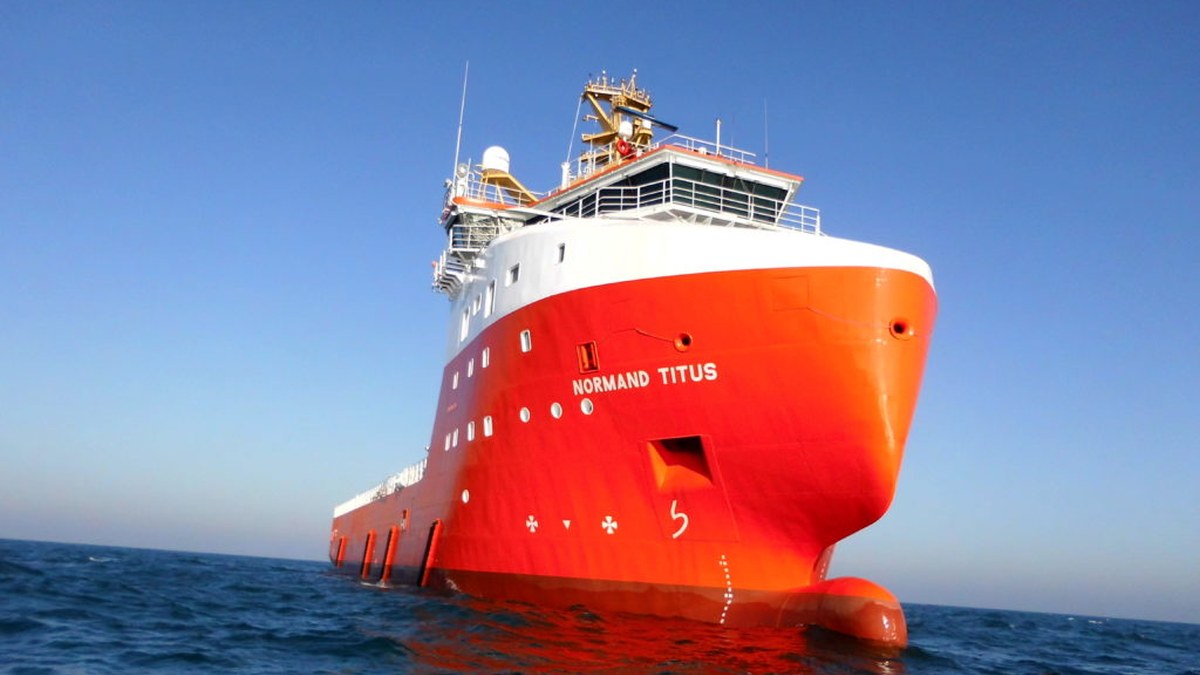
The specified engines are the MTU 16V 4000 M33S model, supplied by Rolls-Royce Power Systems in the configuration of four generator sets per vessel, with selective catalytic reduction systems, the famous SCR, to treat exhaust gas emissions. On top of that, each ship gains a battery bank and a hybrid diesel-electric propulsion system, which allows switching between combustion and battery depending on the phase of the operation.
-
The Chamber releases R$ 10 billion to hold the price of diesel until December and proves that Brazilian fuel remains tied to Congress.

-
The Rio Grande Shipyard receives 11,000 tons of steel from Indonesia and resumes welding the first Handymax vessels for Transpetro after years of inactivity.
-
It’s official: Petrobras takes 75% of block 3 in São Tomé and Príncipe and debuts as an offshore operator outside South America.
-
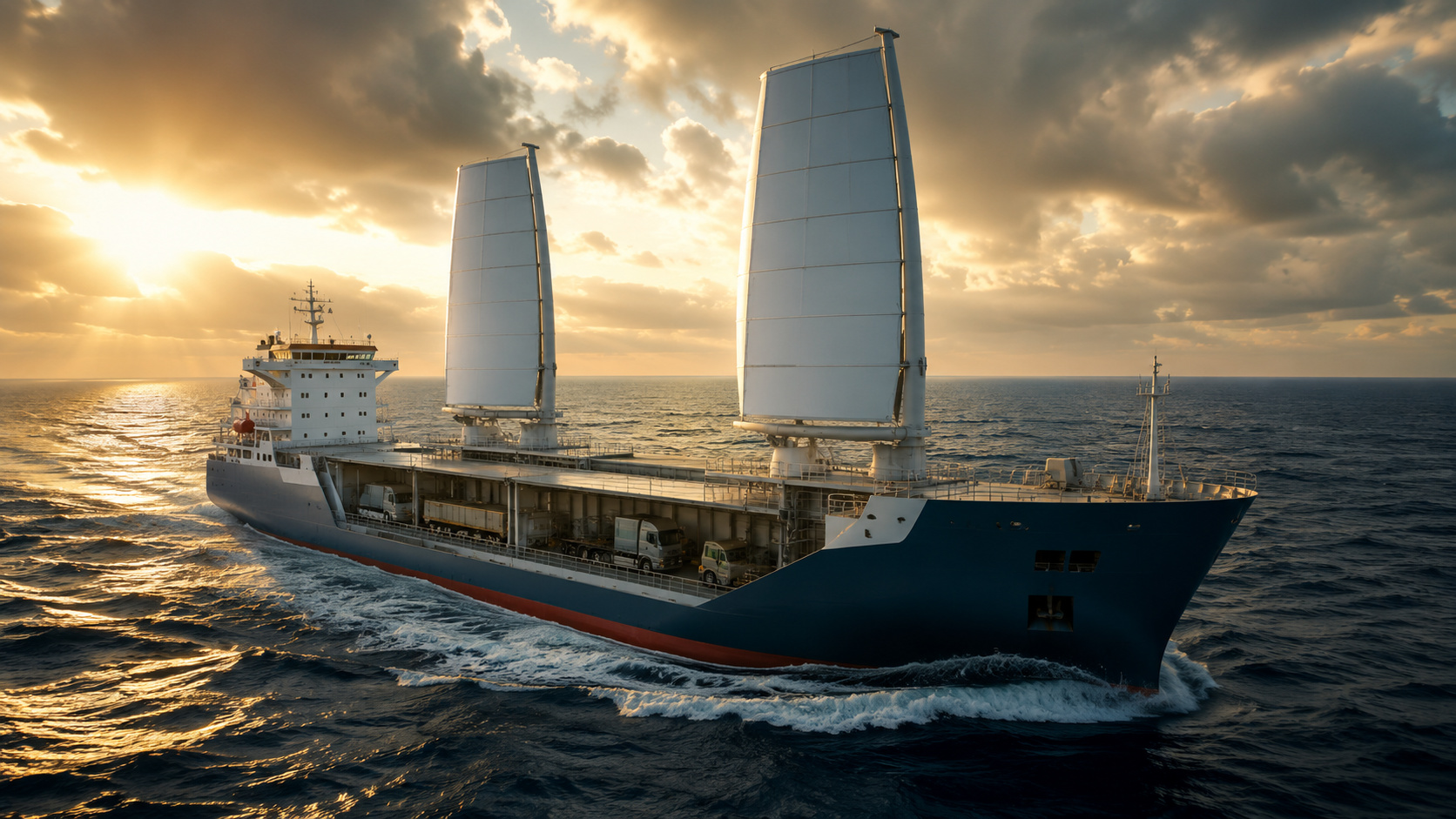
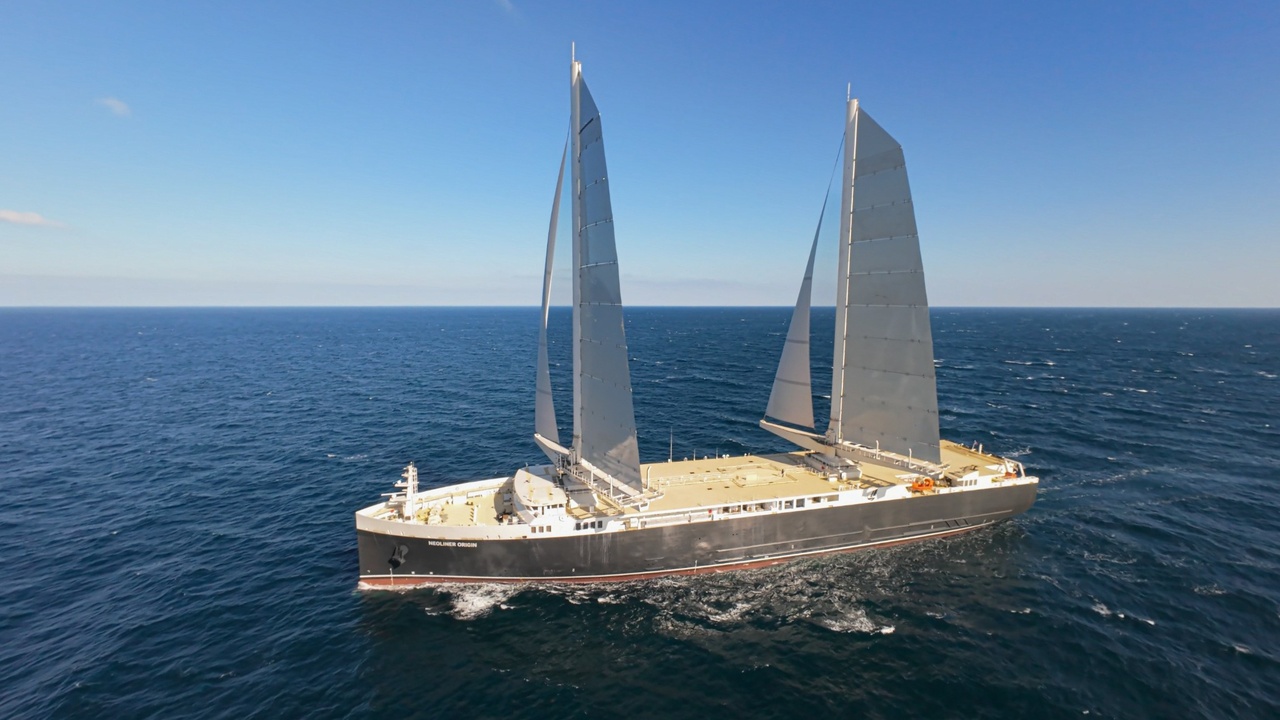
With two giant sails instead of relying solely on the engine, a modern cargo ship crosses the Atlantic carrying cars, forklifts, and goods to test less diesel in maritime transport.


In practice, it works like this: when the ship is stationary next to the platform waiting for a cargo transfer order, the battery takes over the power supply. When it needs to cruise to another point in the field, the MTU engine kicks in. This alternation is what generates fuel savings, and consequently, the 18% reduction in greenhouse gas emissions announced by Starnav compared to a conventional vessel of the same range.
The contract with Petrobras and the 12-year design
The commercial part of the package is perhaps the most noteworthy. The 10 vessels will be chartered by Petrobras for 12 years, a duration that in the Brazilian naval industry is considered premium, as most charter contracts range between five and seven years. A long contract is what makes financing a new ship viable because it ensures sufficient cash flow to amortize the investment without relying on the spot market.
The total investment of the package, including the parallel order from Bram Offshore, which is also renewing its fleet with the same design, amounts to R$ 5.2 billion. Starnav alone accounts for half of this, about R$ 2.5 billion, all financed by the Merchant Marine Fund through BNDES, with a requirement of 40% local content in construction. This is the standard that the Brazilian naval renewal program has used in recent years and has become the norm in state-chartered contracts.
The chosen shipyard and the Santa Catarina effect
The 10 vessels will be built by Detroit Brasil, a shipyard located in Itajaí, Santa Catarina. The choice reinforces a silent movement of the last decade: the offshore support axis has moved south, with Itajaí, Navegantes, and Rio Grande absorbing much of the orders that previously went to Rio de Janeiro and the Amazon. This is where the most capitalized shipowners, the most organized local suppliers, and the most efficient parts logistics for technical support during construction are located.
Starnav itself is one of the most traditional operators in the sector. Founded in Itajaí, it grew during the exploration cycle of the Campos Basin and, in the last 15 years, built a fleet that serves Petrobras mainly in the Santos Basin. I confess that when a shipowner of this caliber signs a package of 10 vessels with hybrid propulsion, the entire sector takes note because it means that the economic model of offshore hybrids works and will be copied by other players.
Why hybrid propulsion became a central theme
The Brazilian offshore support sector was lagging behind the Norwegian in this regard. Companies like Solstad, Havila, and DOF have been operating hybrid fleets for several years, with consolidated operational results. Brazil maintained, for a long time, a predominantly pure diesel fleet, which made sense while fuel prices were low and environmental requirements were light. Now, with the pre-salt reaching new production levels and Petrobras needing to explain each ton of CO2 emitted to European investors, the math has changed.
We know that an 18% emission reduction doesn’t solve the climate problem, but on the scale of the state-owned company’s corporate fleet, which has hundreds of vessels operating in the pre-salt —, every percentage point counts. And, more importantly, the hybrid reduces marine diesel consumption, which translates into lower operational costs for the charterer over the 12-year contract. It’s one of those rare cases where environmental and economic interests point in the same direction.
What comes after this package
I imagine the ripple effect that such an order causes in the supplier chain. Engine, electrical system, batteries, propulsion control, deck hydraulics, dynamic positioning systems, dozens of national and international suppliers will receive orders over the coming months and years, creating a work cycle that starts to heat up Itajaí again. And, depending on the technical performance of the first PSVs delivered, the model could become the standard for Petrobras’ next round of charters.
The exact delivery schedule was not disclosed. But the industry standard places the first vessel in operation in something between 24 and 36 months after the contract, that is, in the 2028-2029 window. If the package succeeds, the next Brazilian shipowners will want the same design: hybrid, local content, long contract, and Fund financing. It wouldn’t be surprising to see Bram Offshore, CBO, and Bravante replicating a similar formula in the next cycle.
Are 10 hybrid vessels with a 12-year contract the beginning of the renewal of the Brazilian offshore fleet or just an exception for Petrobras’ environmental showcase?