Portuguese
  Spanish


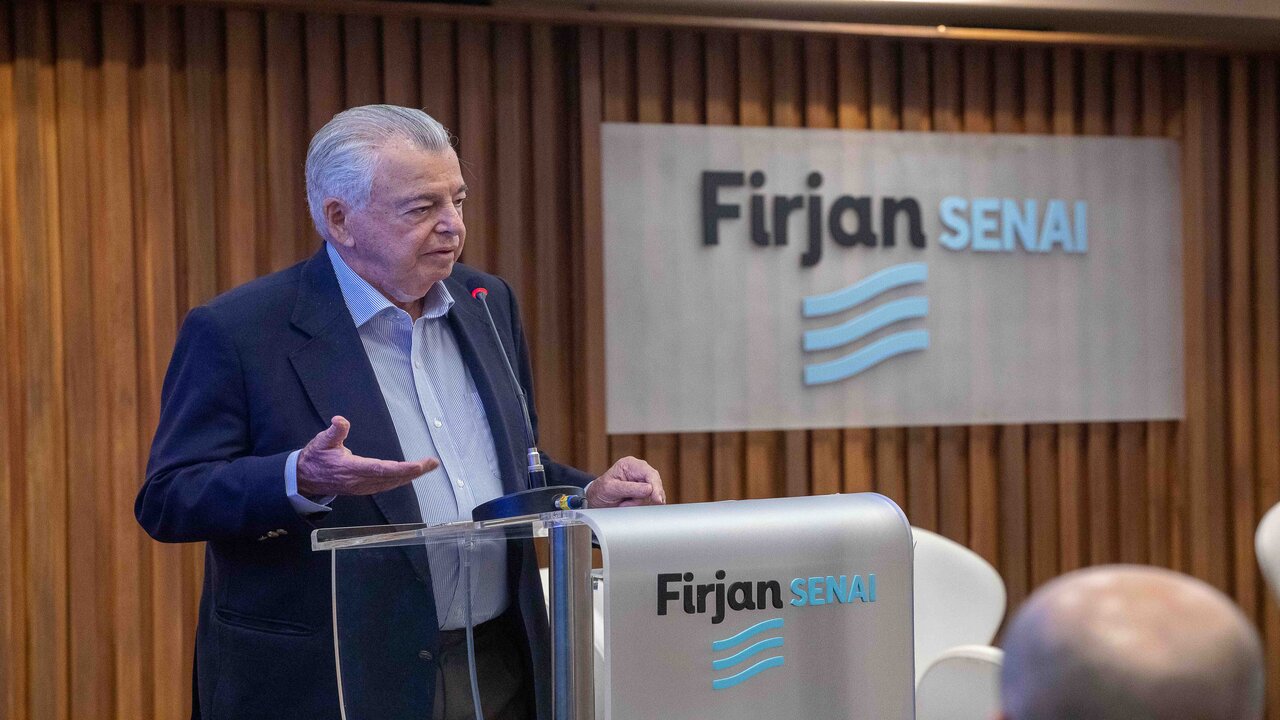

The Forecast for the Next 10 Years Indicates Investments Around R$ 110 Billion, According to Firjan SENAI. The Document Also Reinforces the Need for Regulatory Support from the State of Rio de Janeiro to Expand Natural Gas Production in Projects.
During last Wednesday (12/07), Firjan SENAI launched the document “Gas Perspectives in Rio,” which outlines the next 10 years regarding natural gas production projects in the state of Rio de Janeiro. Thus, investments of R$ 110 billion are forecasted during this period. However, some tax incentives from the government will be necessary for this to happen, such as access to new producers, ease of contracting transportation and distribution, and access to the open market.
Firjan SENAI Document Points Out Main Investment Opportunities and Key Barriers for Natural Gas Production in RJ
The future of the natural gas market in Rio de Janeiro is quite promising, as investments of R$ 110 billion are expected in resource production projects over the next 10 years.
This is the main data highlighted in the new Firjan SENAI document for the upcoming years in the carioca market.
-
With a record production of nearly 3 million barrels per day, Petrobras resumes importing diesel in July, highlighting the bottleneck in Brazilian refining.

-
Qantas and Airbus Invest in Company Aiming to Convert Unsorted Household Trash into Jet Fuel

-
Brazil’s ANP Opens 86 New Oil Blocks in the Equatorial Margin, Expanding the Amazon River Mouth Frontier

-
OPEC+ Boosts Oil Supply by 188,000 Barrels per Day in July 2026, Leading to Price Drop from $112 to $89 per Barrel in Under Two Months
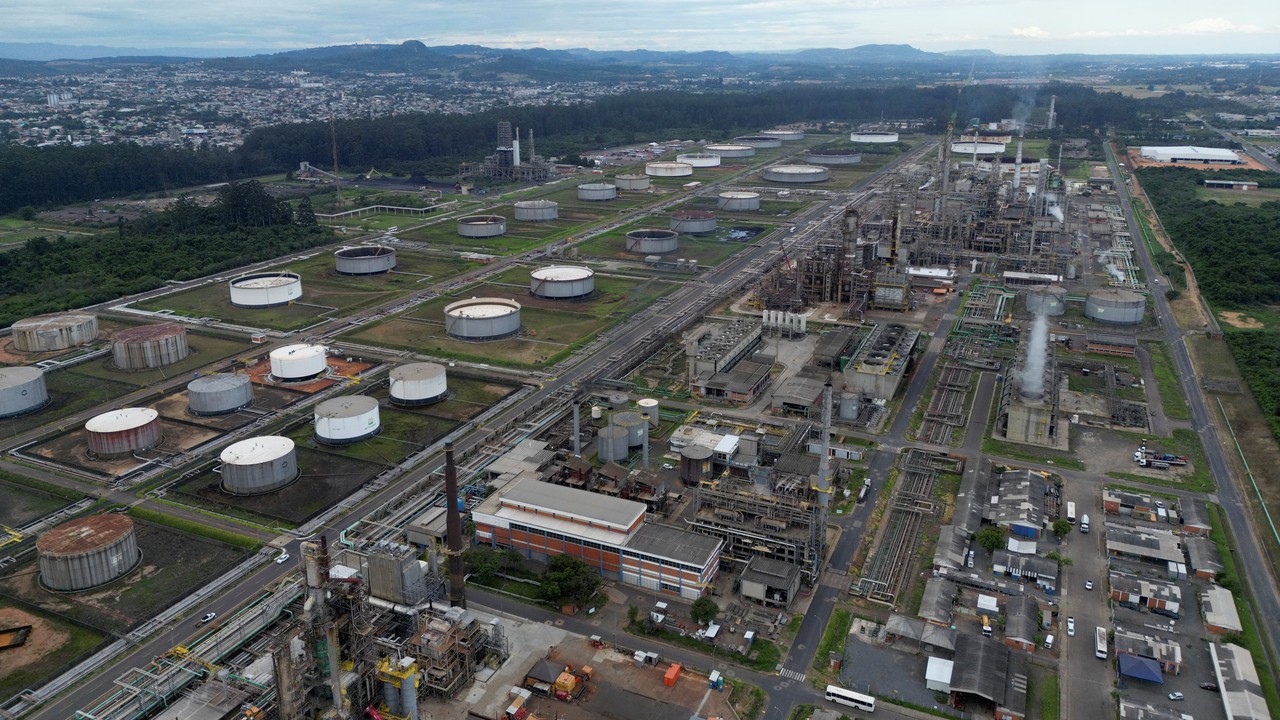
The period considers strategic plans of companies, the viability of consumption projects, and the perspective of natural gas production, condensed in the so-called “Gas Perspectives in Rio”.
Moreover, the document points out that, only in the industrial sector, ventures and projects are expected to add more than 30 million cubic meters of natural gas consumption per day, representing investments around R$ 60 billion (54.5% of the total).
Firjan SENAI emphasizes that investments in this production will be essential to meet the demands for the decarbonization of the national market.
However, this will only be possible with the support of the Government of the State of Rio de Janeiro, as regulatory incentives are needed for the projects to move forward.
According to the document, the main incentives are: access to new producers, ease of contracting transportation and distribution, access to the open market, and the possibility of building dedicated distribution pipelines for supply.
Thus, the institute highlights the union between the private market and the state government as the main bridge for the growth of natural gas projects in the coming years.
Document Launch Brought Together Representatives from the Natural Gas Market in Brazil and Worldwide to Discuss Future Projects
The document launch event featured the presence of national and international representatives from the natural gas market for discussions about the segment.
Raul Sanson, vice president of Firjan SENAI, reinforced the relevance of natural gas in the coming years. “We are convinced that, regardless of the speed of substituting fossil fuels with renewable energy, the energy transition depends on the increased demand for natural gas, and still for a long time. With this in mind, Firjan SENAI is today launching the fifth edition of the “Gas Perspectives in Rio”, he said.
Also present was the director of Oil, Natural Gas, and Biofuels Studies at the Energy Research Company (EPE), Heloisa Esteves, who reinforced natural gas as the foundation for the future of the Brazilian energy matrix.
Furthermore, the director of the National Oil, Natural Gas, and Biofuels Agency (ANP), Fernando Moura, highlighted the agency’s incentives in the flexibility of fuel transportation as one of the commitments for future projects in Rio de Janeiro.
Thus, Firjan SENAI seeks the necessary allies to establish a natural gas hub in the city over the next 10 years.