






 Portuguese
  Spanish
  2 min of reading
  0 comments


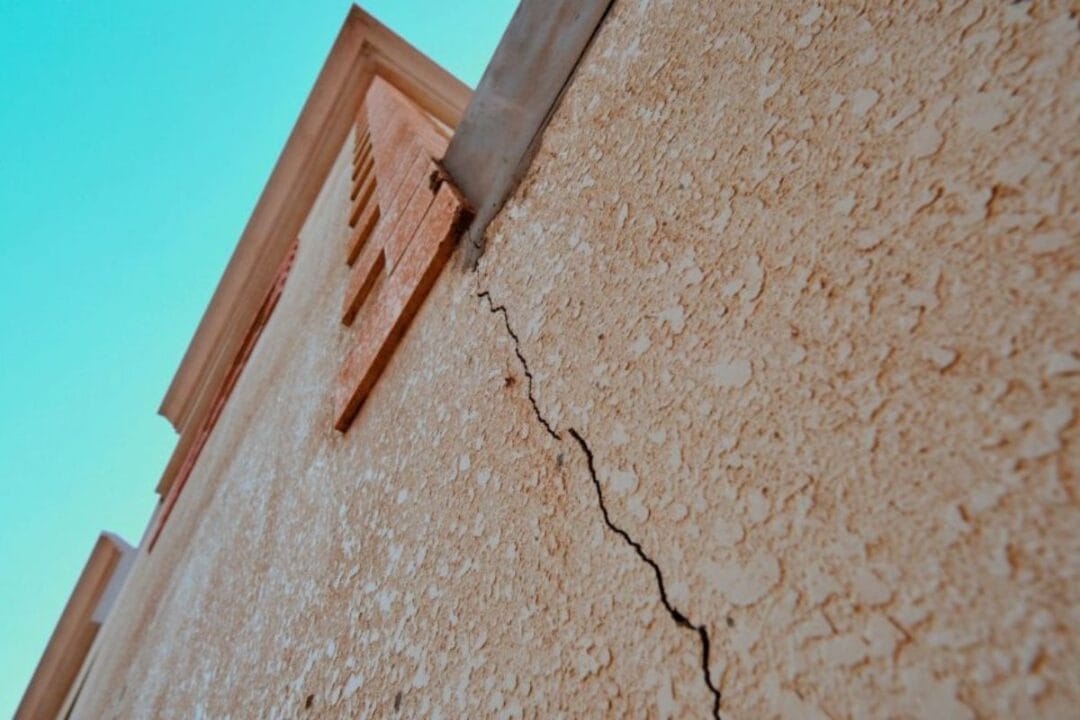
Differences in Width, Depth, and Structural Impact Indicate the Level of Risk in Any Type of Construction
Have you noticed an opening in the wall and don’t know if it’s serious? Knowing how to differentiate cracks, fissures, and fractures can prevent accidents and damages. These signs, common in any construction, reveal the condition of the structure and help predict the need for immediate or corrective maintenance.
The classification depends on technical factors such as the width of the opening, the depth, and the behavior of the structure over time. Attention to these details can preserve the safety of the building and even save lives.
Fissure is a Superficial Sign, but Requires Monitoring
A construction may present fissures over time. They occur due to material shrinkage or temperature variations and have a width of less than 0.5 millimeters. Although considered superficial, they allow moisture to enter and harm the finish.
-
Bolivian Female Construction Workers Form Association to Combat Discrimination and 38% Pay Gap in the Industry

-
Near Amsterdam, residents buy land and discover they must also build streets, manage drainage, handle waste, and grow food on half their plot.
-
Brazil’s WEG to Open New Factory in China by 2027, Expanding Production of Large Rotating Electric Machines and Low to Medium Voltage Motors in Rugao

-
Chinese Shipyard Secures $1 Billion in Orders for Low-Carbon Container Ships Amid Global Fleet Renewal Efforts


The problem is aesthetic, but it should not be ignored. Moisture can evolve into mold, peeling, and corrosion of reinforcements, compromising the durability of materials over the years.
Crack Signals Structural Tension in the Construction
Unlike the fissure, the crack is more than 0.5 millimeters and reaches deeper layers of the structure. In a construction, the presence of cracks usually indicates excessive stress on materials, execution failures, or differential settlements in the soil.
This opening can evolve and compromise important parts of the property. Therefore, it should be evaluated by a professional. In older constructions, the crack may signal accelerated degradation of structural components.
Fracture is the Most Severe Stage and Requires Immediate Intervention
Fractures are wide, deep, and pass through structural elements of the construction, such as beams, columns, or load-bearing walls. This type of opening indicates serious problems, such as foundation failure, overload, or degradation of reinforced concrete.
When a fracture appears, the safety of the building is at risk. It is essential to consult a civil or structural engineer, who will diagnose and recommend the necessary type of reinforcement or recovery.
Preventive Maintenance Saves Structures and Avoids High Costs
In construction, small signs can represent significant risks. Monitoring openings, assessing whether they grow over time, and conducting periodic technical inspections is the way to avoid collapses or costly renovations.
The pathology of constructions is the area of engineering that studies these manifestations and guides technical solutions. Investing in preventive maintenance is cheaper and safer than waiting for serious fractures to appear.





Be the first to react!