






 Portuguese
  Spanish
  5 min of reading
  0 comments


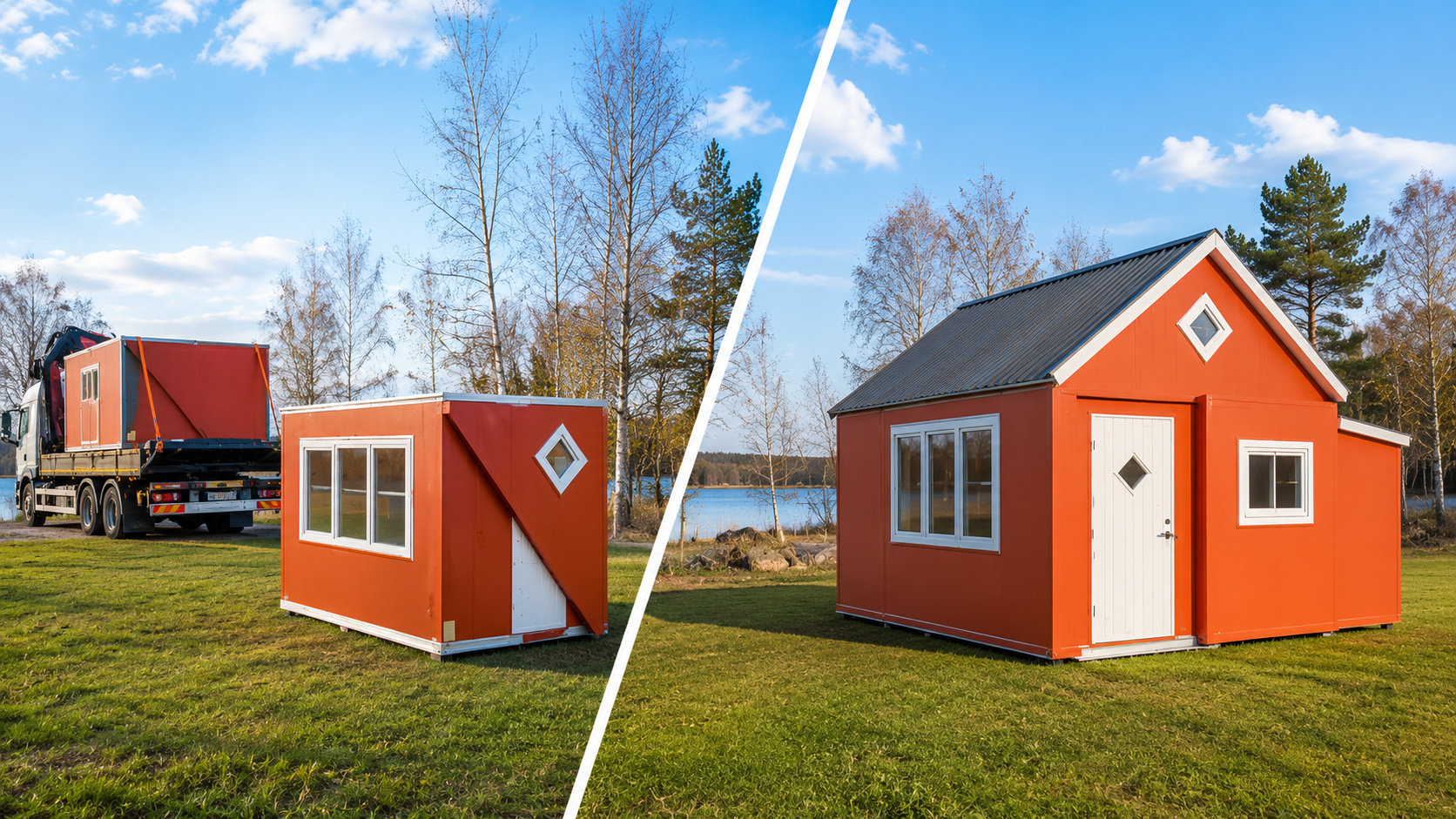
Brette Haus modular home arrives folded on a truck, opens in about 3 hours, and can be disassembled dozens of times.
The idea of a house that arrives folded on a truck, opens in a few hours, and can then be disassembled to move to another plot seemed like a futuristic concept a few years ago, but it already appears in the catalog of European modular housing companies. One of the best known is Brette Haus SIA, a manufacturer based in Riga, Latvia, which produces foldable prefabricated wooden houses designed to be transported compactly, unloaded with lifting equipment, and installed on-site in a few hours.
According to the company’s official page, consulted in May 2026, the Rustic model can go from the truck to being ready on the same day, with an estimated installation time of 3 hours under suitable access and weather conditions.
The Rustic model, one of the most publicized by the manufacturer, is offered in versions of 20 m² and 30 m² footprint, with a usable area of 27 m² and 49 m², a height of 4.9 meters, and a weight of 8.5 to 10.5 tons, depending on the configuration. Brette Haus itself states that the system was designed for 100 folding cycles over a lifespan of more than 50 years, using engineered wood structure, patented folding technology, and interlocking solutions designed to combine mobility, permanent housing, and low ground impact.
-
Without mortar, grout, or traditional construction: the ClickBrick system assembles brick facades with ceramic pieces held by metal clips, eliminating the need for glue, speeding up installation, and even allowing everything to be dismantled later without turning the construction into expensive permanent debris.

-
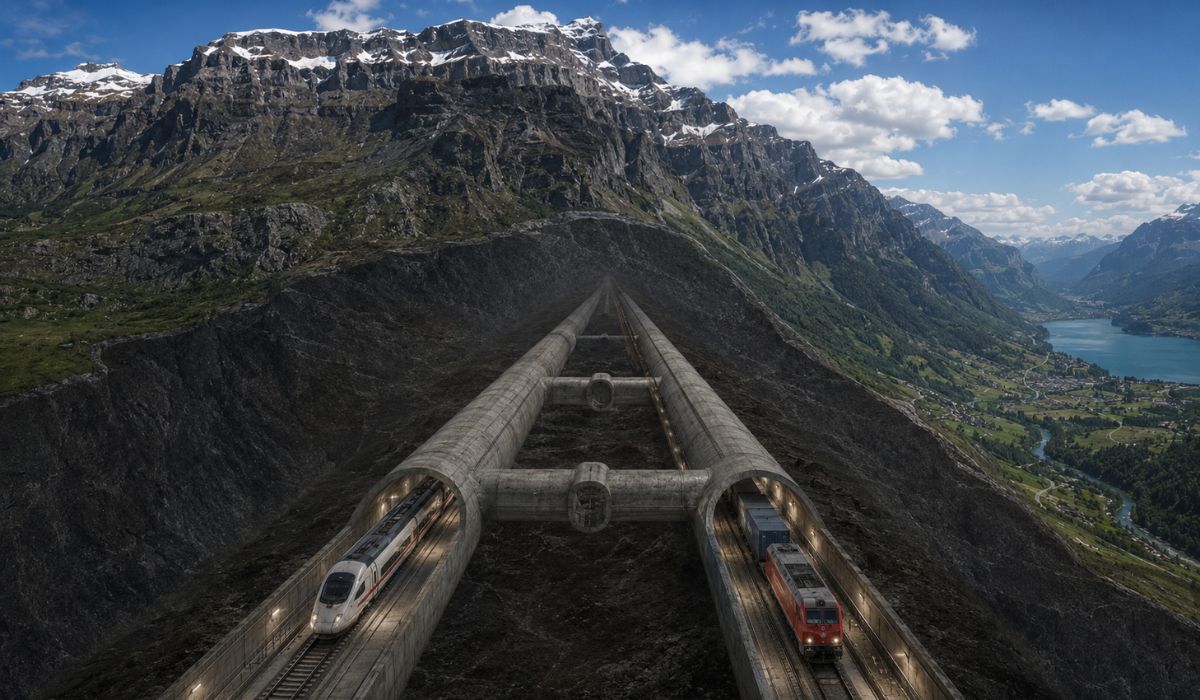
Switzerland took 17 years to tear through the Alps and build the world’s largest railway tunnel, a 57.1 km passage under 2,300 meters of rock, with 50 °C heat and 28.2 million tons excavated to connect the north to the south of Europe.

-
With 1,415 m², a frontal view of the sea, and surrounded by skyscrapers, the mansion worth R$ 140 million bought by Luciano Hang is the last standing residence on the waterfront of the ‘Brazilian Dubai’ in Balneário Camboriú.

-
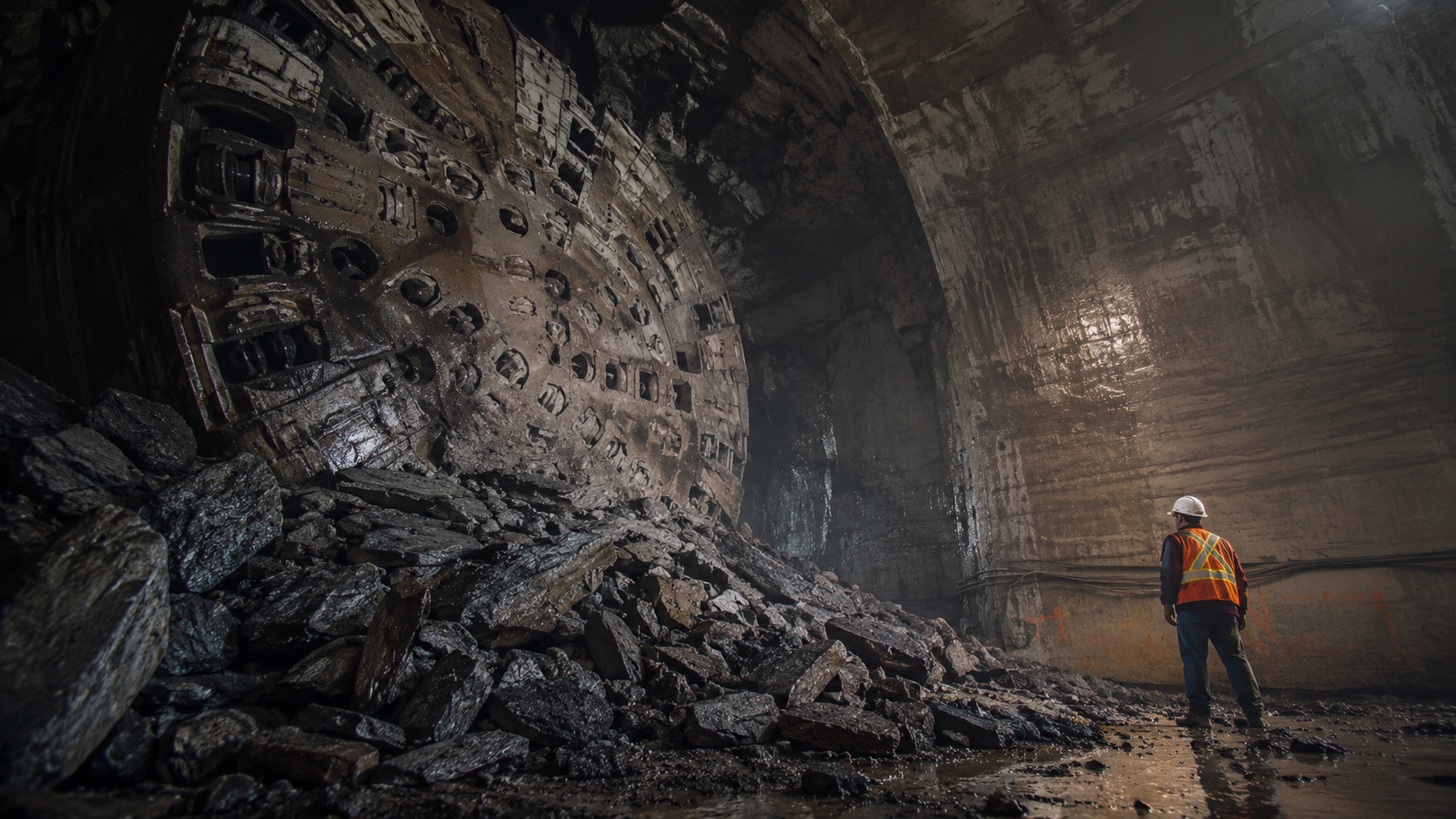
“Big Becky,” the 4,000-ton steel monster with the height of a four-story building, spent five years tearing through 10.2 km of solid rock beneath Niagara Falls to divert the river’s force and generate clean energy for 160,000 homes.



In practice, the modular home ceases to be just a prefabricated construction and begins to function as a transportable residence, capable of being assembled, used, disassembled, and reinstalled elsewhere.
Brette Haus bets on homes that arrive folded on site
Brette Haus’s central proposal is to transform the house into a transportable modular product. The units are produced in a controlled industrial environment and then folded for road transport.

When they arrive on site, they undergo a mechanical expansion process that opens the main structure.
According to the company, the complete procedure can take about three hours for basic structural assembly.
Rustic model weighs up to 10.5 tons
One of the most striking details is the weight of the structure. The 30 m² Rustic version weighs approximately 10.5 tons. The smaller 20 m² version weighs about 8.5 tons.
Even though they are relatively compact in internal area, these houses use a robust engineered wood structure and integrated thermal insulation.
System designed for over 50 disassembly cycles
Another important technical detail disclosed by the company is the durability of the folding mechanism. According to Brette Haus, the structure was developed to withstand more than 50 complete folding and unfolding cycles.
This means that the house can theoretically be relocated multiple times without critical structural loss of the main system.
In practice, the company aims to transform the residence into a reusable and transportable housing module over decades.
Structures use industrial laminated wood


Brette Haus homes use structural laminated wood. This type of material is common in modern high-performance constructions because it offers:
- structural strength;
- dimensional stability;
- less deformation;
- better industrial control.
Furthermore, engineered wood allows for weight reduction compared to some conventional concrete and steel structures.
Brette Haus’s foldable house arrives practically ready from the factory
One of the main differentials of the modular system is the industrialization of construction. A large part of the structure, finishing, and installations is done inside the factory.
This reduces construction time on site and decreases exposure to rain, weather delays, and typical waste of conventional construction sites.
According to Brette Haus, the units can leave the production line with:
- internal coverings;
- thermal insulation;
- electrical installations;
- plumbing systems;
- doors;
- windows;
- basic finishes.
Process resembles a large articulated mechanism
Visually, the opening system draws attention because the house looks like a huge accordion module. During transport, the structure is compacted to fit within road limits.
Upon arrival at the site, articulated parts are opened to form the definitive geometry of the residence. The process normally requires handling equipment and specialized technical staff.

The advancement of modular homes occurs at a time of global pressure on civil construction. Various countries face:
- housing deficit;
- expensive labor;
- increase in material costs;
- slowness in traditional construction;
- need for rapid construction.
This opened space for industrialized solutions.
Foldable houses try to reduce installation time
A conventional construction project can take months or even years depending on the design. In the foldable modular model, a significant part of this time is shifted to the factory.
With this, on-site installation becomes much faster. Despite aggressive social media marketing, these houses don’t simply “drop ready” onto the site without preparation.
Even foldable models still require:
- structural base;
- adequate foundation;
- electrical connections;
- plumbing systems;
- sewage;
- local approvals.
The speed normally refers to the installation of the main structure.
Europe has become one of the main centers for advanced modular homes
European countries have been leading a significant part of the premium modular construction market. Companies from Latvia, Italy, Germany, and Nordic countries have started to invest heavily in:
- tiny houses;
- foldable modules;
- sustainable constructions;
- transportable structures;
- industrialized houses.
Foldable houses attract interest for tourism and temporary housing
A good part of the initial demand for these structures comes from:
- tourism;
- hotels;
- remote areas;
- chalets;
- temporary housing;
- mobile offices;
- country houses.
But the market is also trying to advance into permanent housing.
Industrialized construction reduces waste
Another argument used by modular companies is production efficiency. Industrial constructions typically manage to reduce material waste compared to traditional works.
Furthermore, repetitive processes aid in quality control. Despite its growth, the sector still faces significant barriers.
Each country has different rules regarding:
- licensing;
- foundations;
- transport;
- structural standards;
- energy efficiency;
- land use.
This means that not every modular home approved in one country can be easily used in another.
Brette Haus tries to transform housing into a transportable product
The Brette Haus concept goes beyond a simple prefabricated house. The company tries to sell the idea of a mobile, dismountable, and reusable dwelling.
Instead of a construction permanently “tied” to the land, the residence can be relocated over time.
For decades, building a house meant:
- months of construction;
- cement;
- brick;
- dust;
- permanent teams;
- long schedules.
Foldable modular homes try to replace part of this logic with industrial manufacturing and quick assembly.
In the case of Brette Haus, the result is a structure that leaves the factory compacted, arrives at the site by truck, weighs up to 10.5 tons, and can be opened in a few hours.
And perhaps this is precisely what makes these houses so appealing: they give the impression that civil construction is beginning to enter the same industrial logic that has already transformed sectors such as automobiles, electronics, and furniture, where complex products come out practically ready from the factory instead of being slowly assembled piece by piece at the final location.







Be the first to react!