Portuguese
  Spanish


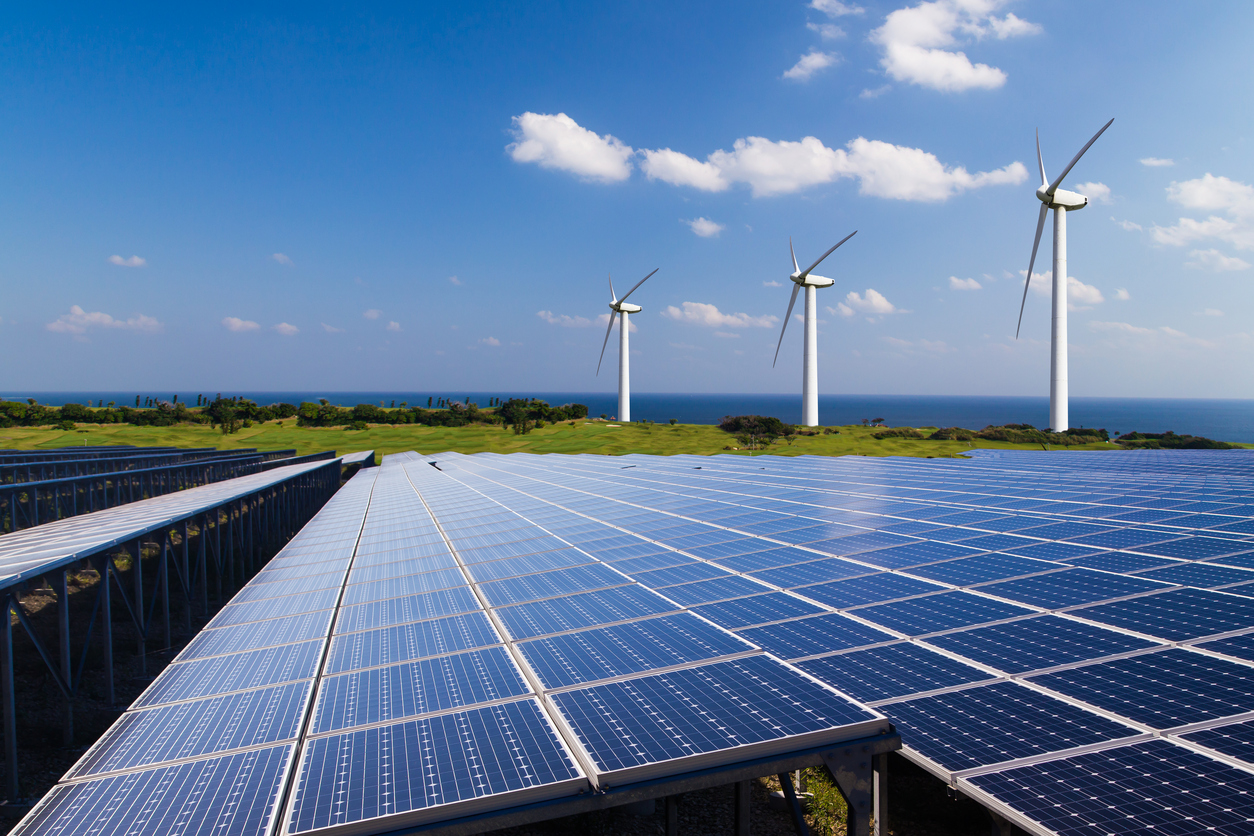

According to the Global Electricity Review report, wind and solar energy generation reached 15%, accounting for one-tenth of global electricity supply
The Global Electricity Review has released electricity data from all countries around the world to provide the first accurate view of the global electricity transition. In 2020, electricity generated by new wind turbines and solar panels helped impose a record decline in energy generation from coal use. However, the report warns that this was only possible because the pandemic interrupted global electricity demand. Since 2015, electricity demand growth has outpaced clean electricity growth, leading to an increase in fossil fuel use and rising emissions.
- 455 free online courses are offered by universities in the United States, such as Harvard, Michigan, and others
- Construction of a wind farm in Bahia expects to hire 750 professionals for the execution of the works
- The state of Pernambuco can generate 325 job opportunities, attracting R$ 42 million in investments
According to Dave Jones, global program leader at Ember, “Progress is far from fast enough. Despite the record drop in coal during the pandemic, it still fell short of what is needed. Coal power needs to fall by 80% by 2030 to avoid dangerous heating levels above 1.5 degrees. We need to build enough clean electricity to simultaneously replace coal and electrify the global economy. World leaders still need to wake up to the enormity of the challenge.”
Wind and Solar Energy Generation
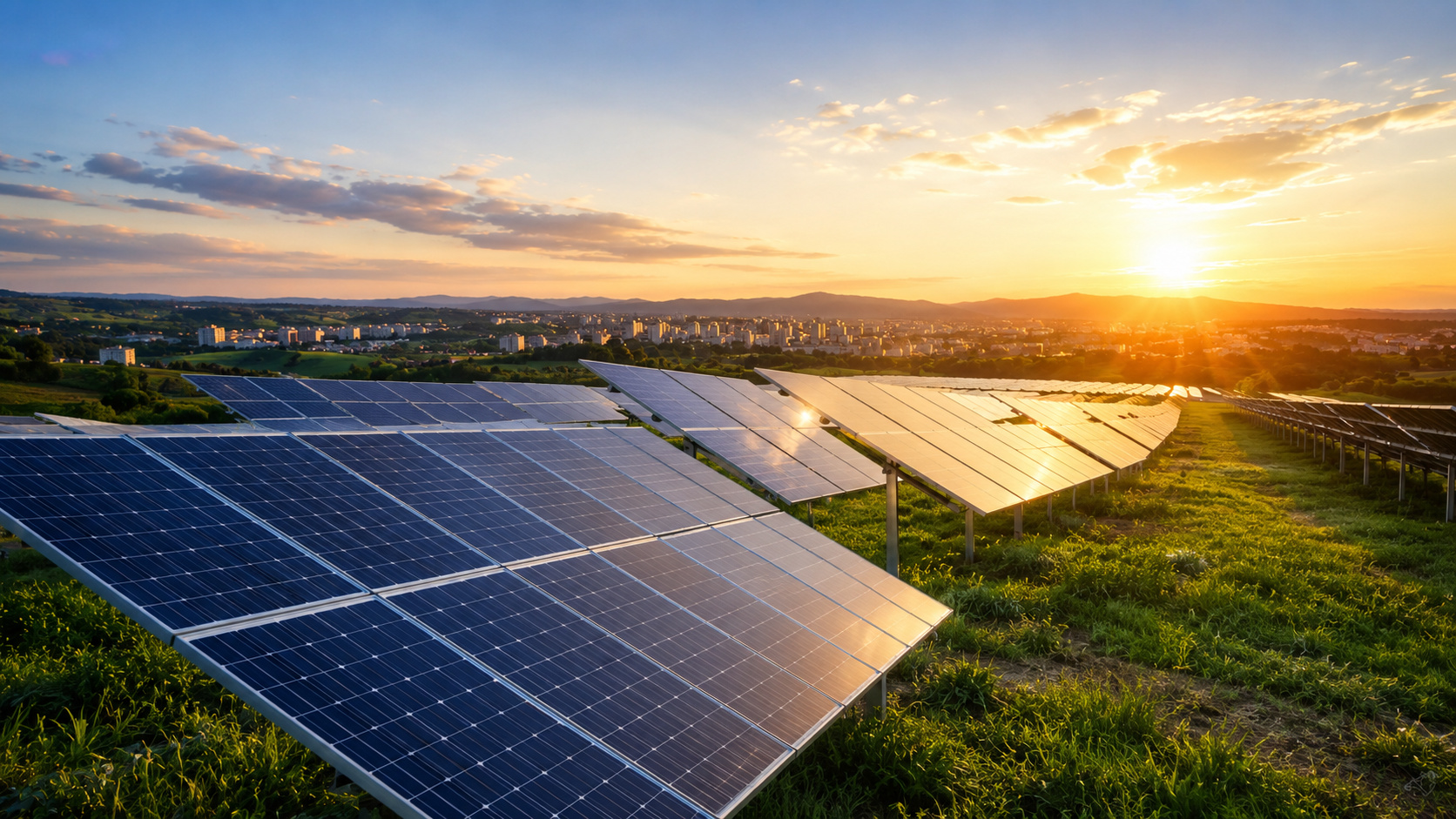
Wind and solar energies continue to show strong growth, reaching 15% in 2020, surpassing the entire annual electricity generation in the United Kingdom. Currently, wind and solar account for one-tenth of global electricity supply, a reality in many G20 countries, including India (9%), China (9.5%), Japan (10%), Brazil (11%), and the United States (12%) and Turkey (12%).
-
Brazilian scientists are simultaneously advancing two research projects on clean hydrogen and driving solutions that could transform the energy matrix, enhance industrial competitiveness, and accelerate large-scale emission reduction targets.

-
Advancement in renewable energy: A R$ 150 million project launched by Petrobras and Finep aims to create state-of-the-art electrolyzers for green hydrogen, strengthening national research and preparing Brazil to compete in a billion-dollar energy market.
-
Illiterate or semi-literate grandmothers were trained to repair solar systems, open rural workshops, and light up homes that still depended on kerosene.
-
The world has bet on green hydrogen as the fuel of the future, but now faces the side effect: producing 1 kilogram requires about 9 liters of ultrapure water, and the largest projects on the planet are precisely in the driest regions of the Earth, where water is already scarce for people.





Europe is in a leading position, with Germany at 33% and the United Kingdom at 29%, reflecting confidence in the rapid integration of wind and solar energy into electrical systems.
The growth in the use of wind and solar energy has contributed to a record 4% drop in coal energy. However, the International Energy Agency’s model shows that coal energy must decline by 14% each year to keep net zero carbon emissions in check by 2050.