Portuguese
  Spanish



MME Report Shows Data on Increase in Renewable Energy Sources Participation in the Previous Year’s Matrix
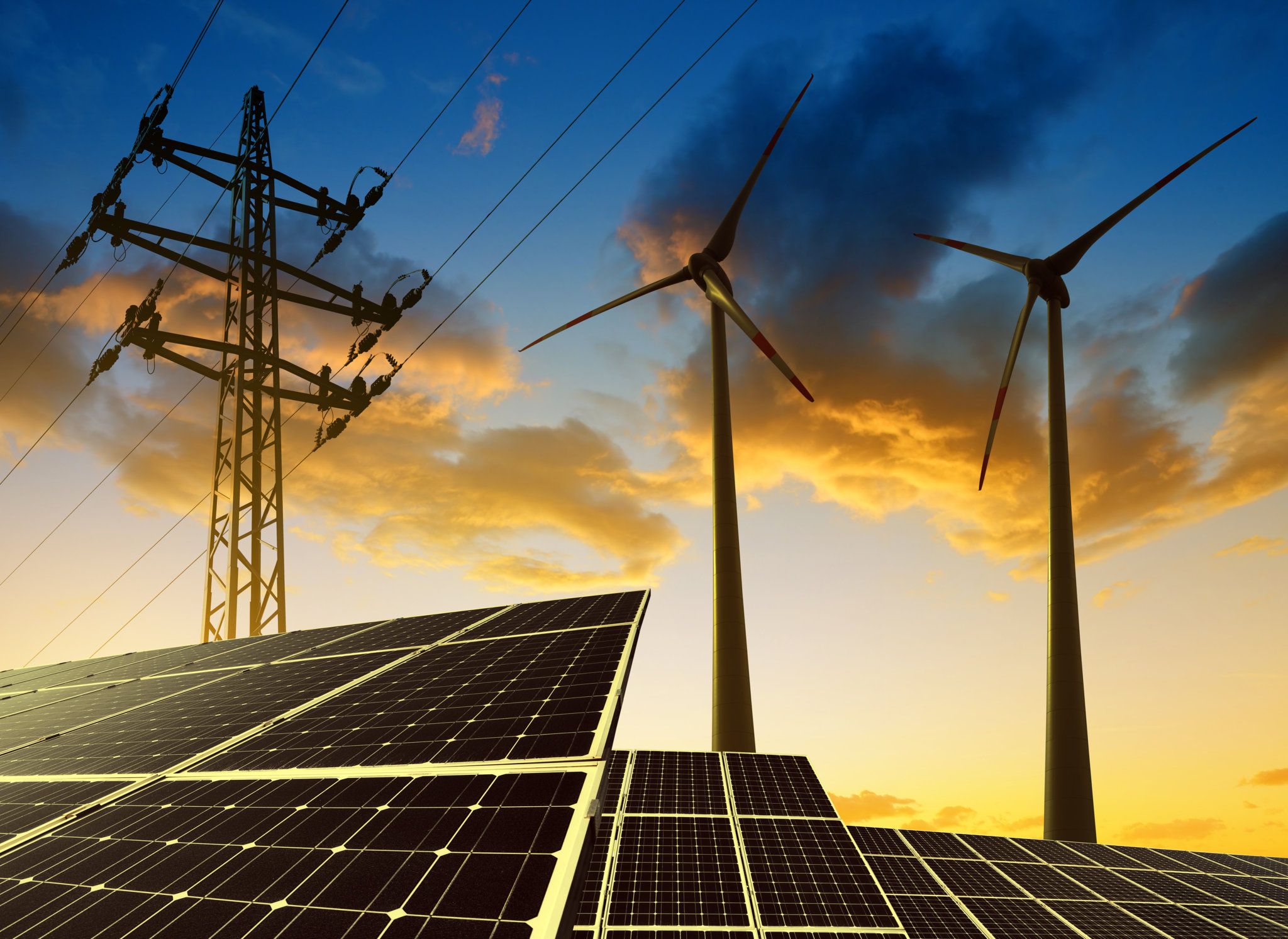
Renewable energies, including hydropower, wind, solar, and biomass, accounted for 46.1% of the energy matrix in 2019, an increase of 0.6% over the 2018 figure. This value is three times the global average. This information comes from the Ministry of Mines and Energy, which published the Brazilian Energy Review of 2019.
See Also Other News:
- Ambev Opens 80 Positions in Various States of Brazil for Candidates Without Experience in Internship Program
- Petrobras Completes Sale of Stake in Gas Transportation Company to Engie Brasil and Canadian Fund CDPQ
- Halliburton Reports Loss of US$ 1.7 Billion in the Second Quarter
In the energy supply matrix, renewable energies account for 83%, three times the global figure of 26%. However, compared to the participation figure recorded in 2018, it decreased by 0.3%.
The Internal Supply of Electric Energy last year totaled 651.3 TWh, a 2.3% increase compared to 2018. Solar energy increased by 92% and wind energy increased by 15.5%, which together accounted for 50% of the growth in the share of renewable energy in the matrix. Water still accounts for 61.1% of the total supply in the country. Natural gas was in second place with 9.3%, followed by wind energy at 8.6%.
-
Fired during apartheid and with a little borrowed money, an electrician started with a borrowed truck and transformed electrical services into a group connected to energy, real estate, and infrastructure in South Africa.

-
Wood has ceased to be just a construction material in Yale research and has become insulation for electrical transformers that face intense heat, aging, and increasing pressure from the renewable energy-powered grid.
-
More than 1,000 residents of a remote island in Kiribati now have clean water and electricity with solar systems operated by the community itself.
-
Ceará brings together 7 giants and R$ 66 billion to transform Pecém into the largest green hydrogen hub in Brazil, with final decisions expected by the end of 2026.


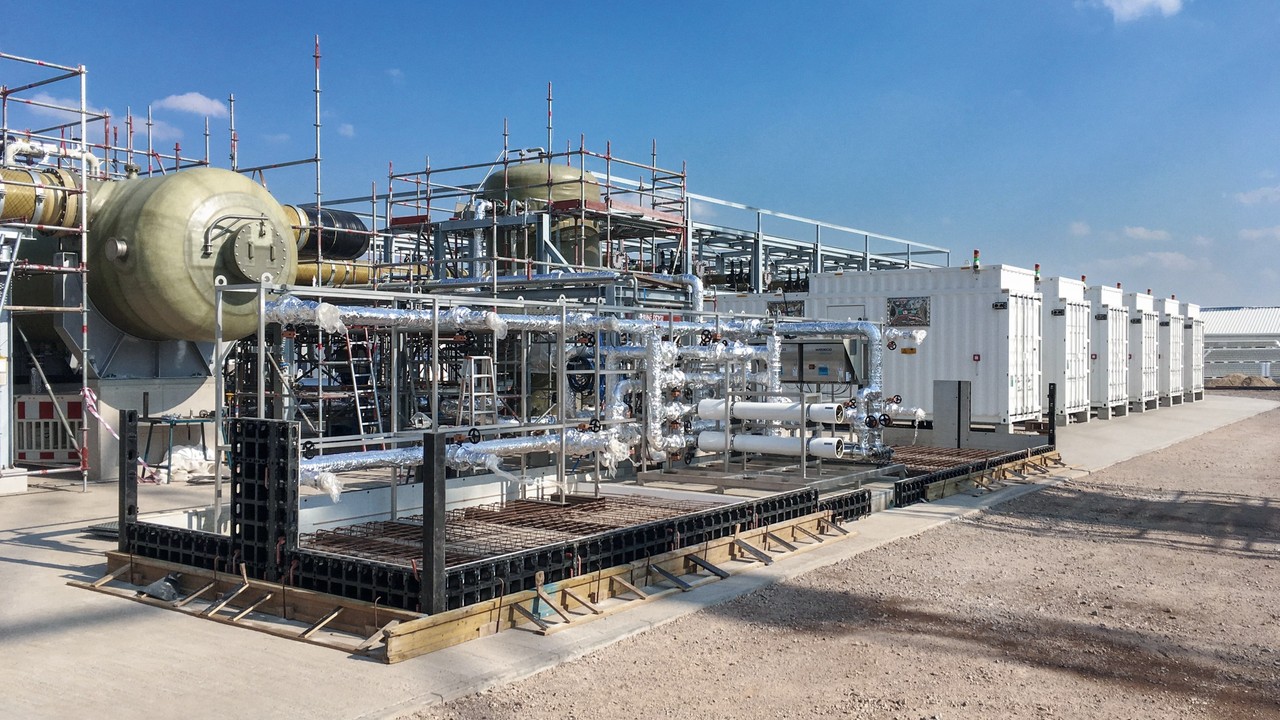
The installed capacity for energy generation in Brazil increased to 172.3 GW in 2019, a 5.4% increase compared to 2018. Including contractual imports of 5.9 GW, the current total power supply is 178.1 GW.
Total energy demand reached 294 million tons of oil equivalent (toe), a 1.4% increase compared to 2018 and higher than the GDP growth rate (1.1%). Globally, Brazil accounts for 2% of world energy. According to the Ministry of Mines and Energy, MME, the energy sector’s performance in 2019 highlighted three important results: growth in household consumption, being renewable, and security.
Among the indicators related to household consumption, residential electricity consumption increased by 3.5% and commercial consumption by 4.5%. The energy consumption of light vehicles (gasoline, ethanol, and natural gas) increased by 4.5% in 2019. For cement production in construction, there was a 2.9% increase. Among the renewable indicators, the consumption of liquid biofuels (ethanol and biodiesel) in the transport sector rose by 11%. In industry, bioenergy accounts for 40% of total energy, which is five times that of the world.
In 2019, Brazil’s carbon dioxide emissions increased by 0.1% to 406.1 million tons, nearly 20% lower than the record of 484.6 million tons in 2014, which was the year in which fossil energy produced high thermal energy.
In terms of energy security, Brazil relied on energy imports until 2017. In 2018, Brazil had a surplus of 1.4% and in 2019, this surplus increased to 4.9% (primary production exceeds total demand).
The statement concluded that the 7.6% increase in oil production and 9.5% increase in natural gas production determines the ideal energy surplus.