Portuguese
  Spanish


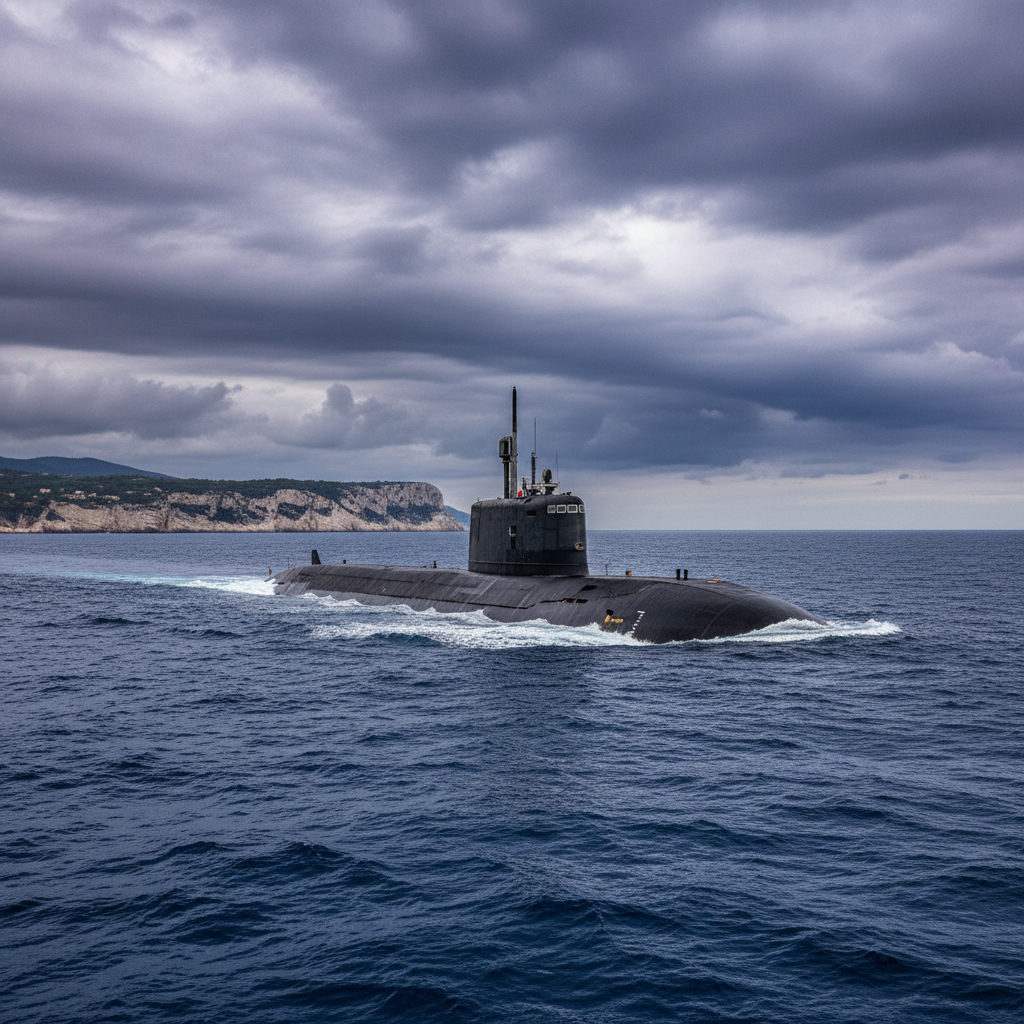


Between March 16 and 20, 2026, a Suffren-class nuclear submarine launched and recovered the US Navy’s Razorback drone while remaining submerged off the coast of Toulon — and the result was declared a “critical milestone” in allied submarine warfare
A nuclear attack submarine of the French Navy achieved something that had never been done before.
Without surfacing, it opened its Dry Deck Shelter — a removable hangar attached to the deck — and launched an American drone into the dark waters of the Mediterranean.
The drone navigated autonomously, collected data, and returned to the submarine.
-
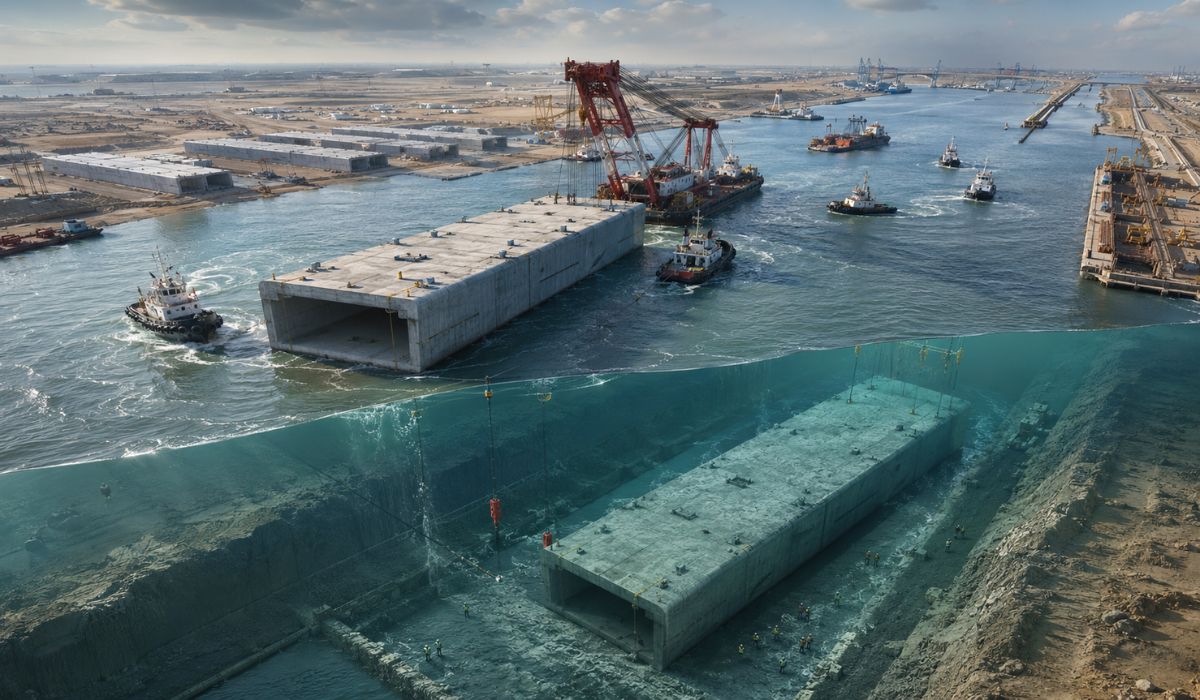
Iraq floats and sinks under an arm of the Euphrates 10 giant concrete boxes of 46,000 tons and 125 meters each to assemble a 2.4 km submerged tunnel and open a new land route between Asia and Europe.

-
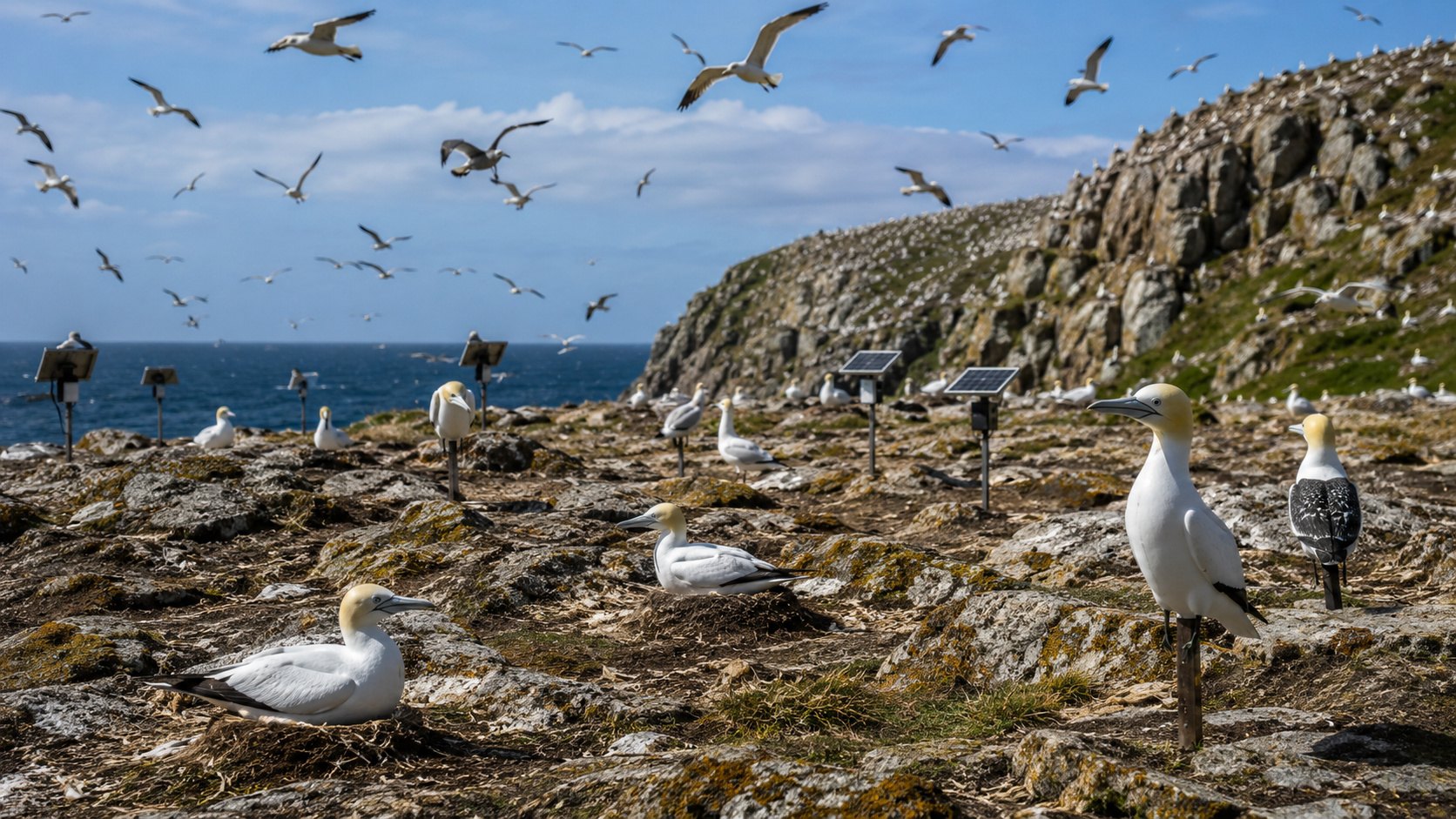
Scientists use more than 20,000 artificial birds and solar speakers to “trick” seabirds, reactivate nesting routes, and revive a colony on an island that seemed abandoned.

-
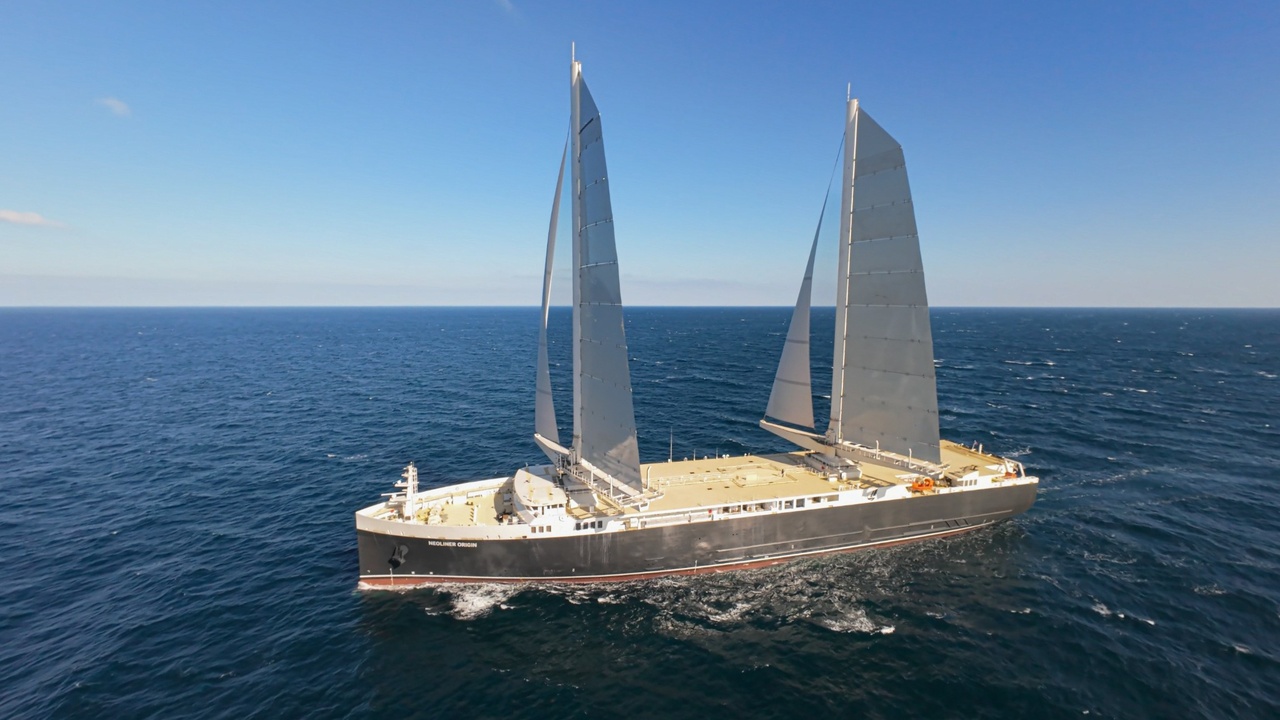
She spent 73 years breathing inside an iron lung, survived the aftereffects of polio, and became the last woman in the United States dependent on the equipment before dying at 78 years old.
-
Brazilian students created a $1 filter using pine bark, cotton, and 3D-printed parts to clean cassava wastewater, reduce the toxicity of a hazardous waste, and transform contaminated water into biofertilizer.


Still submerged, the submarine successfully recovered it.

What is the Razorback and why does it change the game
The Razorback is an unmanned underwater vehicle (UUV) developed by the American company HII.
It is a military variant of the civilian REMUS 620 drone.
It was designed for reconnaissance missions, oceanographic measurements, battlefield awareness, and intelligence preparation.
So far, drones like the Razorback could only be operated from surface ships or American submarines.
Therefore, the March test proved that an allied submarine can operate American assets underwater — drastically expanding operational reach.
The Dry Deck Shelter — a hangar attached to the submarine
The secret lies in the Dry Deck Shelter (DDS).
It is a removable compartment installed on the submarine’s aft deck.
Typically, the DDS is used for special forces operations — launching and recovering divers.
Now, it has transformed into a launch platform for autonomous drones.
The difference compared to the US Virginia-class submarines is that the Americans use torpedo tubes to launch similar drones.
This way, the French method offers a larger and more flexible compartment.

Why this matters for submarine warfare
“The ability to deploy US assets from allied submarines expands our operational reach and enhances our collective underwater warfare capabilities,” stated the US Navy’s Unmanned Underwater Vehicle Command (COMUUVGRU-1).
Additionally, another representative stated: “This successful launch is a testament to the strong partnership between the French and US navies.”
In practice, this means NATO gains flexibility.
A French submarine in the Mediterranean can now perform reconnaissance tasks that previously required an American submarine.
From 2021 to March 2026 — the timeline of cooperation
- December 2021: signing of the Strategic Interoperability Framework between the navies
- March 16 to 20, 2026: first real tests of launch and recovery off the coast of Toulon
- Multiple launch and recovery cycles supervised by expert divers over the 5 days

Caveats
The tests focused on technical validation, not on real combat scenarios.
Moreover, the exact name of the involved Suffren submarine was not disclosed.
Success depends on sharing technical specifications among allies, which may be restricted in different geopolitical contexts.
Still, the fact that an American drone was successfully operated from a French submarine for the first time paves the way for a new era of distributed submarine warfare among allies.