






 Portuguese
  Spanish
  3 min of reading
  0 comments


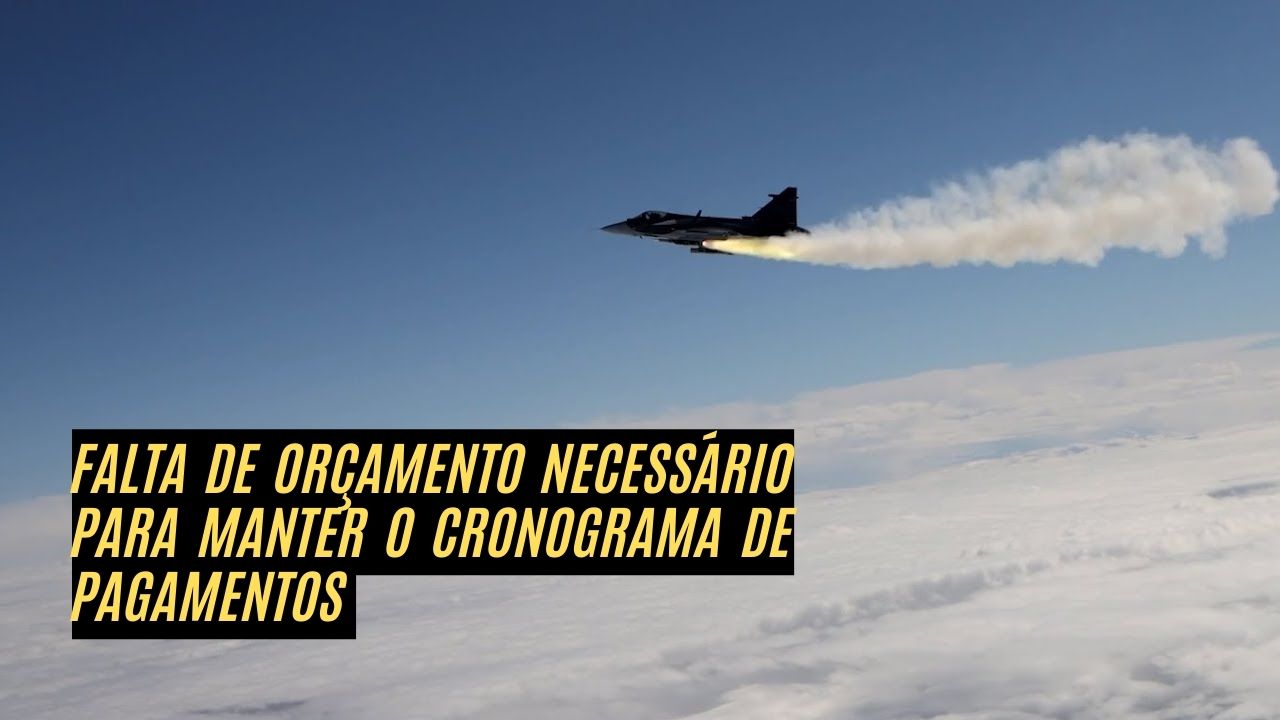
The Brazilian Air Force Recently Confirmed That The Delivery Schedule Of The F-39 Gripen Fighters Will Experience Another Delay, With The Last Aircraft Expected To Arrive Between 2030 And 2035. The Justification, According To The Air Force, Is The Scarcity Of Financial Resources, Which Directly Impacts The Payments Of The Installments Of The Necessary Financing To Acquire And Maintain The Program.
For Military Aviation Experts And Enthusiasts, This News Is Disheartening, As The Gripen Fighters Are Viewed As Essential For The Modernization Of The Brazilian Air Force. The FAB Stated That The New Delay Results From “Insufficient Budget Availability” That The Project Has Faced In Recent Years, Leading To A Revision Of The Delivery Schedule. The Institution Asserted That, Since The Beginning Of The Project, Financial Transfers Have Been Below What Is Necessary, Forcing The Adoption Of A Schedule Adjusted To Financial Limitations.
The Initial Plan Expected All 36 Aircraft To Be Delivered By 2024, But The COVID-19 Pandemic And The Subsequent Economic Crisis Changed This Scenario. In 2020, The Program Suffered Its First Delay, Extending The Final Outlook To 2027. However, With Only Two Aircraft Delivered In 2024 And No Others Expected By The End Of The Year, It Became Clear That The Previously Established Deadlines Were Far From Being Met.
The Need For Alternatives: The Air Force Considers Used Fighters
With The Schedule Of The Gripen Fighters Project Compromised, The Air Force Has Been Studying The Acquisition Of Used Aircraft To Fill The Operational Gap Left By The Retirement Of The A-1 And F-5 Fighters, Expected Before 2030.
-
Brazilian Joins Homeownership Consortium, Faces Decade of Dual Payments Totaling $141,000, Surpassing Traditional Mortgage

-
Land Rover to Halt Production in July, Putting 371 Jobs at Risk, as Chinese Automaker Negotiates to Convert Factory to 100,000 Vehicles Annually by 2027

-
Mexican Pest Threatens U.S. Cattle Herds at Historic Lows, Potentially Boosting Brazilian Beef Exports as Burger Prices Soar

-
Brazilian Freight Bill Progresses in Congress with $5,000 Minimum Wage, 70% Advance Payment, and Fines Up to $1 Million, as Agriculture and Industry Warn of Rising Costs and Legal Uncertainty


One Model Considered Is The F-16 Fighter, Which Could Be Acquired Under Conditions Similar To Those Of The Mirage 2000 Fighters, Purchased In 2006 As A Stopgap Measure And With Few Flight Hours Left. This Decision, However, Is Still Under Review, As The Air Force Carefully Evaluates All Alternatives According To Operational Needs And Budget Availability.
The Current Situation Of The Program


So Far, The Air Force Has A Few F-39 Gripen Models In Brazil, All In A Single-Seat Configuration. Since 2020, The First Unit Of The Gripen Fighters, Received As A Prototype For Testing And Evaluation, Remains On Brazilian Soil, But The Expectation Is That It Will Join The Active Fleet Only At The End Of The Total Deliveries.
The Confirmation Of The New Schedule And The Direct Impact Of Budget Constraints Reinforce The Need For The Brazilian Government To Establish Ongoing And Adequate Financing So That The Air Force Can Achieve Its Defense Goals. The Modernization Process Of The Brazilian Air Force, Even With The Difficulties, Remains Essential For National Security And For Brazil’s Power Projection In Latin America.


Be the first to react!