






 Portuguese
  Spanish
  3 min of reading
  0 comments


US Air Force Reveals The World’s Most Advanced Espionage Drone: 80 Hours Of Endurance, 180 Kg Of Payload, High-Precision Sensors And Advanced Communication Systems
The US Air Force has long sought to enhance its espionage capabilities without depleting its budget. This branch of the US Armed Forces has relied for years on aircraft such as the legendary Boeing RC-135 and the General Atomics MQ-9 Reaper, but it needed a change in direction.
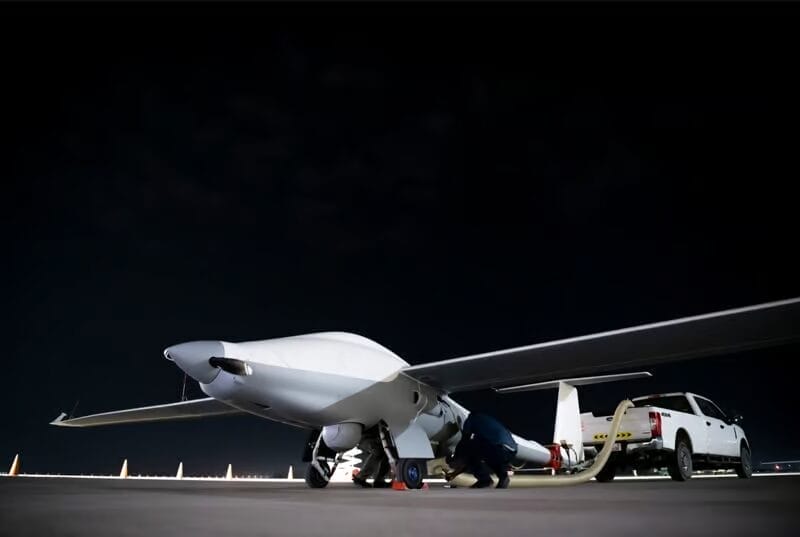
The ideal concept to achieve this goal was to have an aircraft that was as capable as it was cost-effective. “ULTRA” has come to fill this gap. We are talking about the English acronym for “Unmanned Long-Duration Tactical Reconnaissance Aircraft.” Essentially, a drone packed with technology that can carry out missions for several days without refueling.
A New Drone For The US Air Force
ULTRA was born as a project within the Rapid Innovation Center (RIC) of the Air Force Research Laboratory (AFRL), but, as is customary in defense matters, a private contractor entered the scene. Drone manufacturer DZYNE Technologies contributed its expertise and technology to the development of this new solution.
-
Wikipedia Blocks AI-Generated Edits, Citing Distrust in Automated Systems and Outlining Plans to Use Technology Without Losing Article Control

-
NASA Tests Rover with Lizard-Like Suspension and Independent Wheel Traction, Aiming for Speed Ten Times Faster than Perseverance on Mars

-
Scientists Warn: Gulf Stream Shift Warms Canadian Waters by Up to 5°C, Revealing Rapid AMOC Response

-
Apple and Tesla on Alert After Cyberattack on Indian Supplier Exposes Over 200,000 Confidential Files, Industrial Projects, Employee Data, and Potential Trade Secrets on the Dark Web



The MQ-9 Reapers, initially conceived as unmanned attack aircraft, have been an effective resource for espionage tasks, but they have become an expensive option to operate and, above all, are no longer as cutting-edge as they were when introduced in 2007. The ULTRA is set to become the more balanced option.
According to the US Air Force itself, the ULTRA drones can remain in the air for over 80 hours while carrying about 180 kilograms of payload. One of the highlighted advantages is the system’s capability to overcome the distance limitations that hinder the operational use of current unmanned platforms.
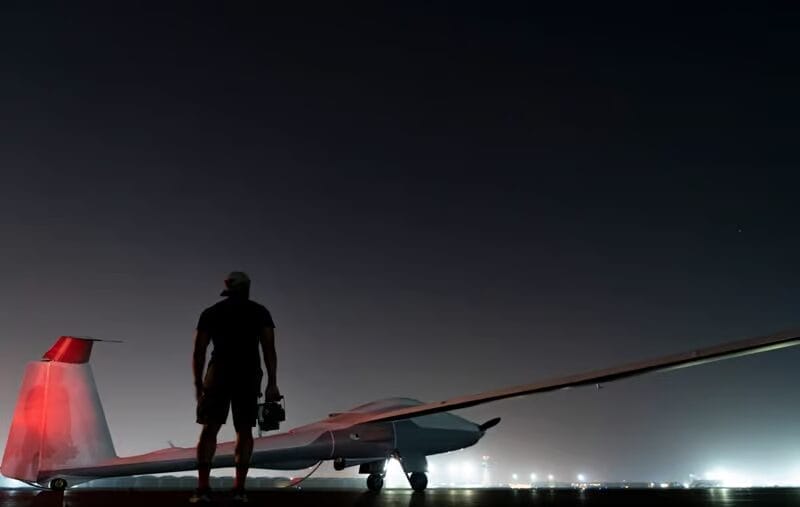
But the operational range, which allows it to hit targets in the Pacific, is not its only advantage. These drones are also equipped with advanced positioning systems, radiofrequency equipment, infrared sensors, and other classified payloads that enable them to collect real-time intelligence information.
As reported by DefenseOne, budget documents indicate that the purchase of four ULTRA drones has been scheduled for 35 million dollars. The cost reduction seems evident. Each MQ-9 Reaper has a price tag of about 30 million dollars, according to CBS News. And let’s remember, the Houthis have already shot down several MQ-9 Reapers.
Deployment Scenarios
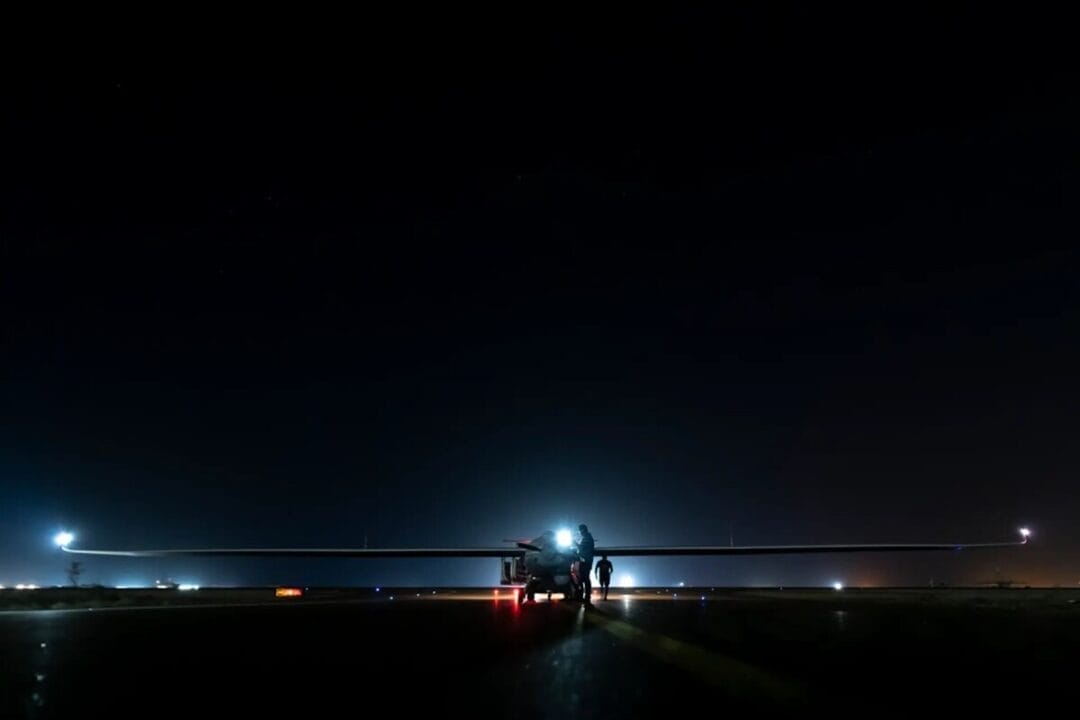
Specifically, one of the scenarios in which the US Air Force seeks to deploy its new drones is in the Middle East. The images accompanying this article indeed show a ULTRA unit at what appears to be Al Dhafra Air Base in the United Arab Emirates.
With the development of the ULTRA drones, the US Air Force aims not only to increase its espionage capacity but also to reduce operational costs and enhance effectiveness in long-duration missions. These drones represent a significant advance in terms of technology and military strategy, promising to redefine how reconnaissance and espionage operations are conducted.




Be the first to react!