Portuguese
  Spanish


Trump Repositions Nuclear Submarines Near Russia and Reignites Power Struggle Between Powers With Navies of Very Distinct Strategies and Capabilities
Donald Trump’s decision, announced on August 1, to reposition two nuclear submarines from the United States in areas close to Russia, has raised a new alarm in the already tense military relationship between the two countries.
The measure was a direct response to provocative statements from former Russian president Dmitry Medvedev. More than just a simple military maneuver, the gesture reignited the debate on the comparison between the naval forces of the two powers.
American Superiority in Numbers and Technology
According to data available from specialized websites, U.S. government agencies, and Wikipedia information, the U.S. Navy currently has 287 warships.
-
U.S. Air Force Launches Air-to-Air Missile Project with Range of Up to 1,850 km for Indo-Pacific Operations

-
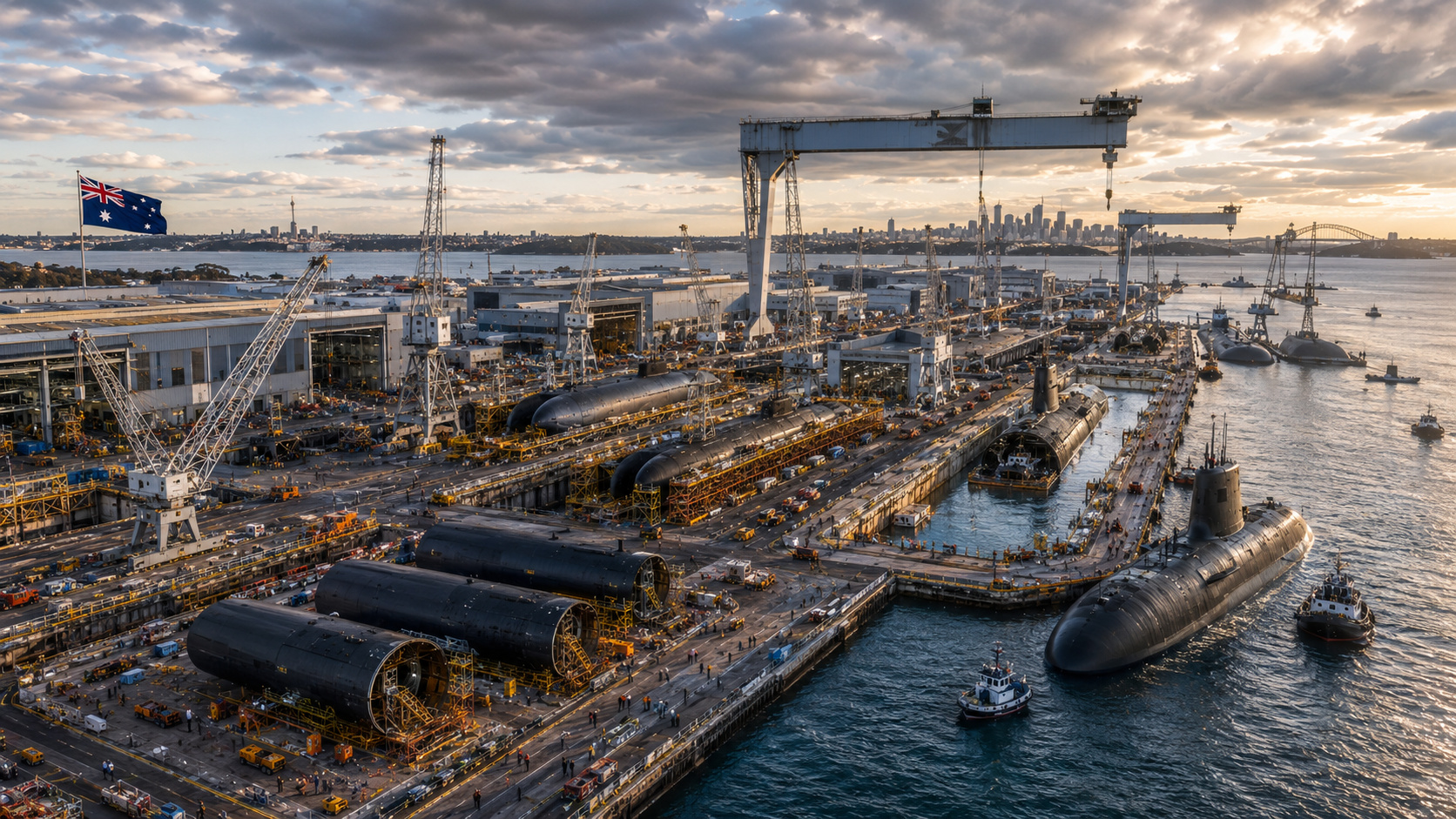
Australia to Deploy Up to 8 Nuclear-Powered Submarines in Indo-Pacific, Establishes Billion-Dollar Naval Chain Through AUKUS, Joining Elite Group Capable of Extended Underwater Missions

-
Indonesia Begins Construction of 2,000-Ton Scorpène Stealth Submarines with Advanced Weaponry and French Steel

-
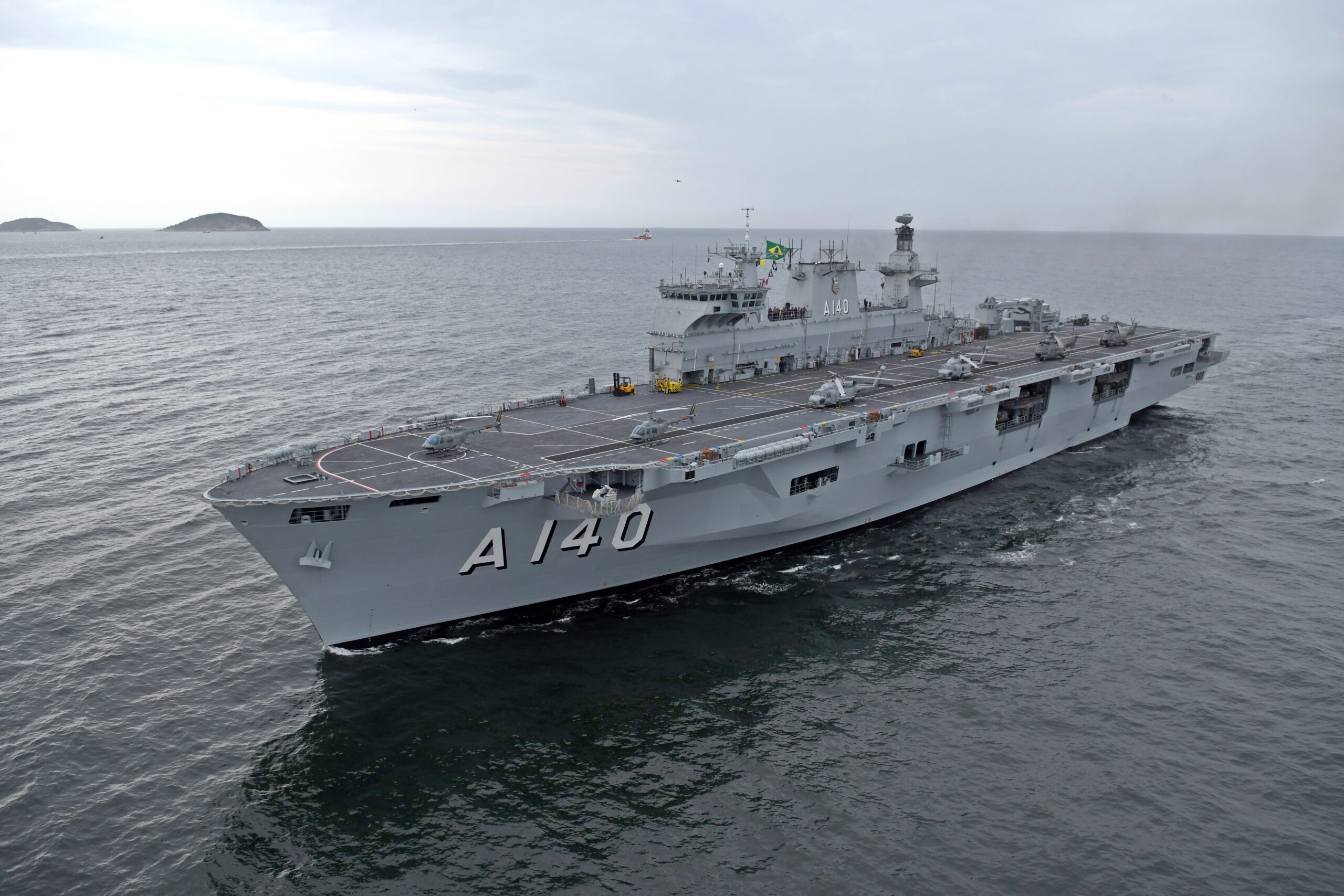
Brazil’s Largest Navy Ship, NAM Atlântico, Transforms into Field Hospital During National Crises



Among them, there are 67 submarines, all nuclear-powered, and 11 aircraft carriers — including the modern Gerald R. Ford class, which are also nuclear-powered.
The nuclear propulsion technology allows these vessels to operate for long periods without the need for refueling.
In the case of submarines, this system ensures even more time submerged, significantly increasing their stealth.
Additionally, the United States possesses 71 Arleigh Burke-class destroyers and about 22 Ticonderoga-class cruisers.
Both types are equipped with Tomahawk missiles and the Aegis system, which is focused on air defense and missile defense.
Among the submarines, the Virginia class stands out for its anti-submarine combat capability and silent operation.
The 14 Ohio-class submarines carry Trident II ballistic missiles with nuclear warheads, forming the backbone of U.S. submarine deterrence.
This combination of numbers, range, and firepower gives the United States a real global projection capability, with intense operations in regions such as the Indo-Pacific and the Atlantic.
However, its structure is less suited for operations in coastal areas.
Russian Bet on Regional Defense and Asymmetric Tactics
The Russian Navy, despite having fewer resources and an older structure, maintains about 218 vessels.
Its focus, however, is different. The Russian fleet prioritizes regional defense, especially in its territorial seas.
The Russian submarine force consists of 58 units. Of these, 34 are nuclear-powered and 12 carry ballistic missiles with nuclear warheads.
Additionally, Russia operates 25 conventional Kilo-class submarines, recognized for their efficiency in coastal missions due to their silent operation.
The surface fleet is more modest, with 68 small corvettes, in addition to frigates, destroyers, landing ships, and patrol boats.
The only Russian aircraft carrier, Admiral Kuznetsov, has been out of operation for years and is at risk of being permanently retired.
Two Styles of Naval Warfare
While the U.S. bets on technological superiority, system integration, and global reach, Russia follows a different logic.
Its focus is on high-speed missiles, territorial defense, and asymmetric combat strategies.
Therefore, even with a clear advantage in numbers and technology, the U.S. still faces a real threat.
The Russian navy, limited and aging, remains capable of generating concerns, especially in its own backyard.
Trump showcases his naval power. But Moscow still has something to respond with.
With information from Crusoé.