






 Portuguese
  Spanish


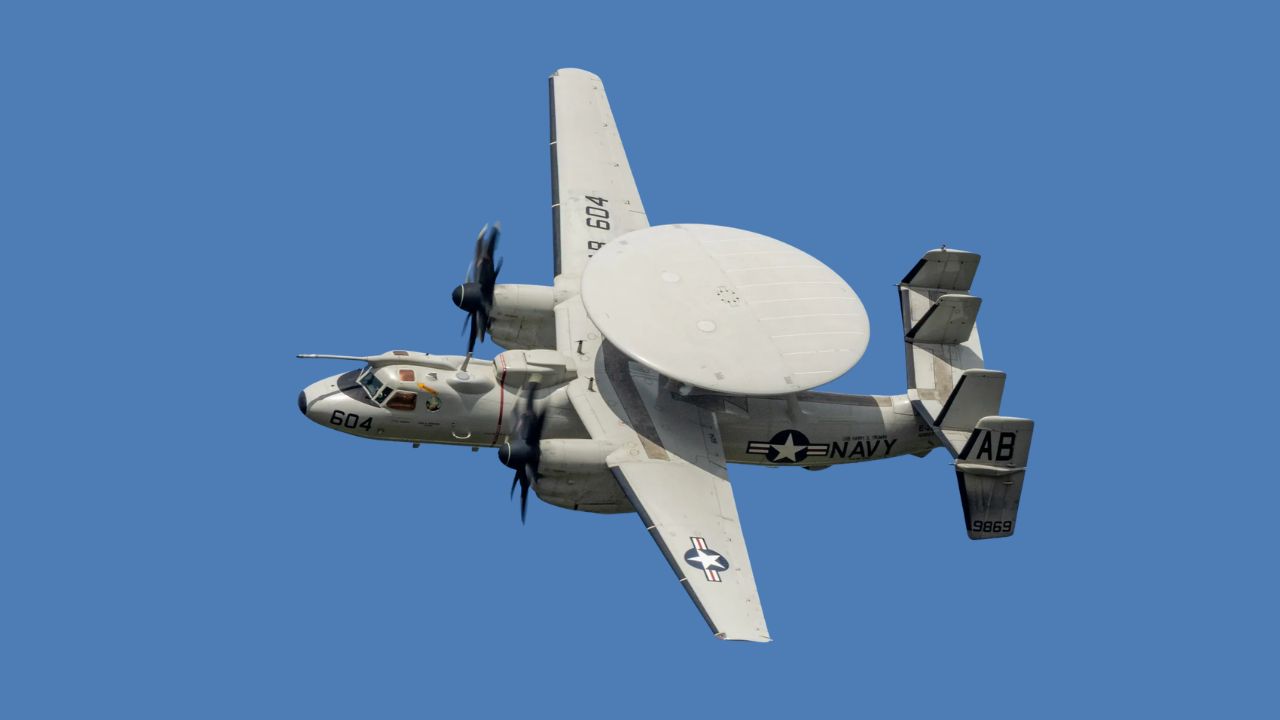
The US Navy received its 70th E-2D Advanced Hawkeye aircraft, manufactured by Northrop Grumman. The model operates with 360-degree radar and functions as an aerial command center on aircraft carriers and land bases.
The fleet of the United States Navy’s aerial surveillance reached a new operational level on April 30, 2026, with the reception of the 70th E-2D Advanced Hawkeye aircraft. The delivery, carried out by manufacturer Northrop Grumman in St. Augustine, Florida, solidifies this model as the centerpiece of modern naval air defense, acting in early warning and combat control.
According to Poder Naval, 82 units of this platform have already been manufactured, serving both American needs and those of the Japan Air Self-Defense Force. The arrival of this unit reinforces the US’s ability to maintain air superiority in highly complex environments.
By acting as a command center in the skies, the aircraft is capable of integrating allied and joint forces in real-time, ensuring a rapid response against threats detected at long distances.
-
U.S. Navy’s Ticonderoga-class Cruiser Becomes a 9,800-Ton Missile Fortress with Advanced Aegis System Capable of Tracking Hundreds of Targets

-
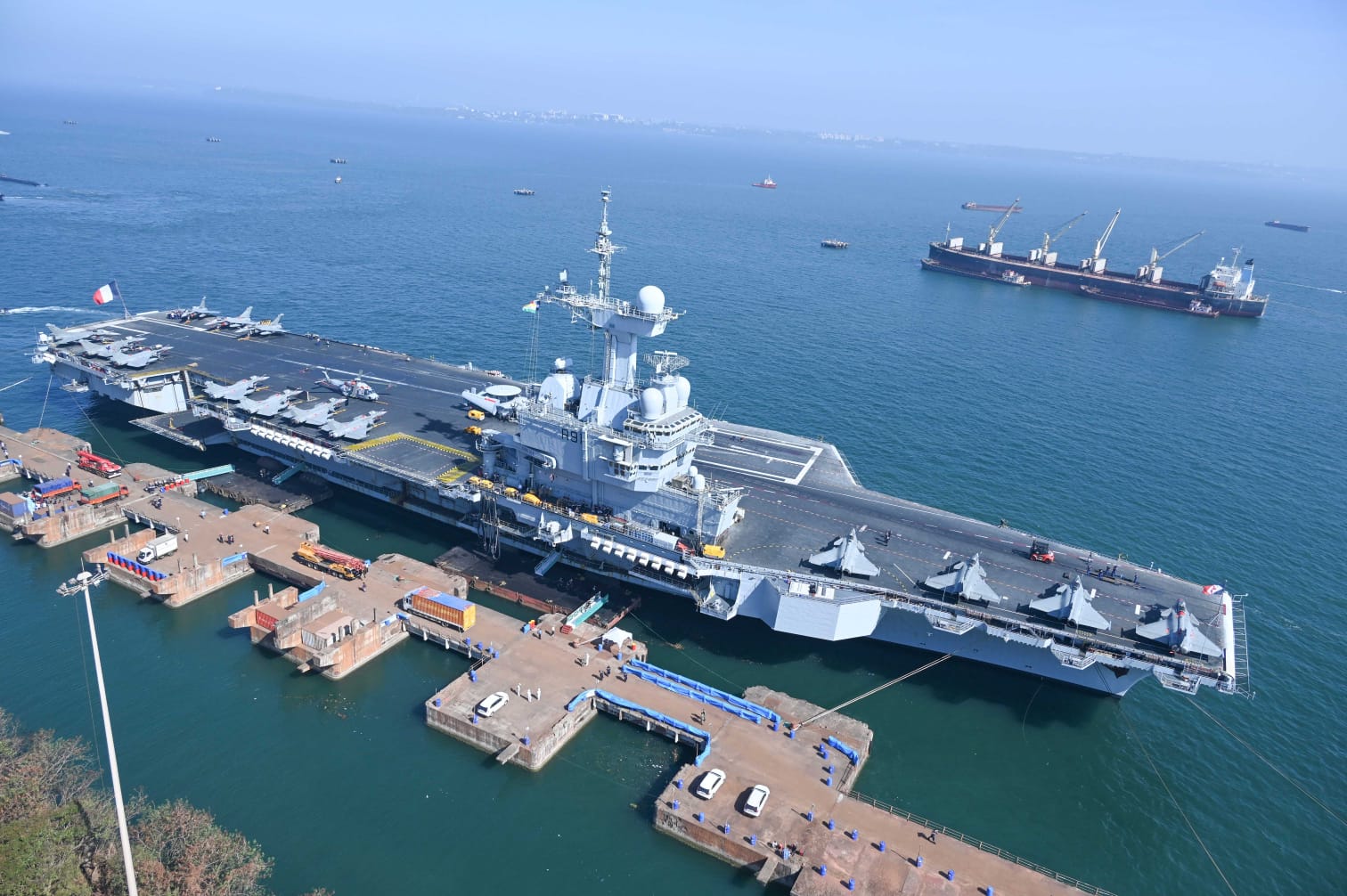
France’s Charles de Gaulle: The Sole Nuclear-Powered Aircraft Carrier Outside the US, Weighing 42,500 Tons and Equipped with Two Atomic Reactors

-
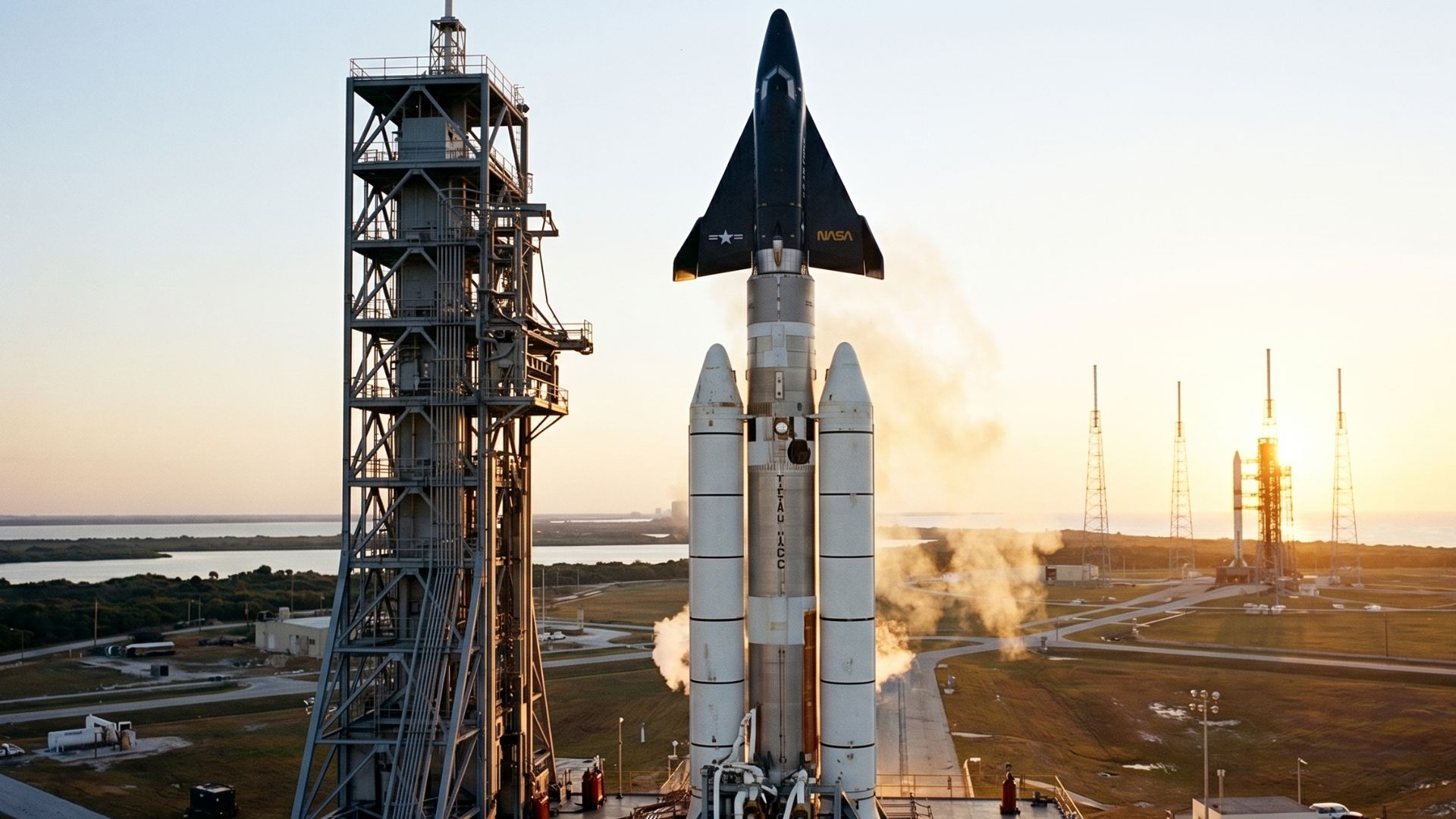
The military spaceplane that almost took the Cold War into orbit: Boeing X-20 Dyna-Soar was designed to re-enter above Mach 20, fly for up to 40 hours, land like a plane, and transform Titan rockets into a gateway to a new era of orbital warfare.
-
FAB bets on national drones and increases investments to strengthen the Brazilian aerospace industry



Technology and versatility of the E-2D Advanced Hawkeye aircraft
The E-2D Advanced Hawkeye aircraft project was developed to offer a complete view of the battlefield through a 360-degree coverage radar.
This technology allows for the tactical management of aircraft carrier groups, providing essential situational awareness for fleet survival.
The operational flexibility of this system is one of its greatest differentials, allowing it to operate on several fronts:
- Launch platforms: The aircraft operates from aircraft carriers at sea or from advanced land bases.
- Remote operations: It has the capacity to operate in locations with limited infrastructure.
- Command node: Functions as a communication bridge that connects different sensors and combat platforms.
- Long-range surveillance: Its advanced systems detect distant targets, ensuring reaction time for allied defenses.

Thus, the aircraft becomes indispensable for connecting real-time decision-making with tactical execution in the theater of operations.
Continuous modernization and the future of the program
To face the challenges of multi-domain scenarios, the E-2D Advanced Hawkeye aircraft undergoes a constant process of technological updating.
Northrop Grumman focuses on incorporating improvements that meet contemporary operational requirements, ensuring that the system remains relevant against increasingly sophisticated adversaries.
Regarding the platform’s progress and efficiency, Janice Zilch, program manager at Northrop Grumman, highlighted the company’s vision for the coming years:
“We are observing the exceptional performance of the Advanced Hawkeye in current operational environments and actively planning its future evolutions.”
This evolution strategy ensures that the aircraft continues to be a pillar of carrier-based aviation, adapting to integrate new sensors and networked communications.


Source: Poder Naval





Be the first to react!