Portuguese
  Spanish


Operation in Japurá and Jutaí targeted equipment used by illegal mining and reinforced naval inspections in Tefé
An operation conducted by the Brazilian Navy disabled 50 dredges used by illegal mining in Amazonas, in an action that caused an estimated loss of R$ 151 million to clandestine activities. The offensive took place in the municipalities of Japurá and Jutaí, with naval inspections also carried out in Tefé, according to information from the Navy News Agency.
Operation took place in strategic areas of Amazonas
The action was conducted by the Component Riverine Operations Force (FORC), linked to the Brazilian Navy, and focused on riverine regions associated with illegal mining. The operation concentrated efforts in Japurá and Jutaí, two municipalities located in Amazonas, while naval inspections reinforced monitoring in Tefé.
The operation drew attention due to the volume of equipment disabled and the financial impact caused to clandestine structures. The estimated loss of R$ 151 million highlights the economic dimension of the dredges taken out of operation during the offensive.
-
Brazilian Air Force Seeks to Acquire More Gripen Fighter Jets

-
U.S. Air Force Launches Air-to-Air Missile Project with Range of Up to 1,850 km for Indo-Pacific Operations

-
Australia to Deploy Up to 8 Nuclear-Powered Submarines in Indo-Pacific, Establishes Billion-Dollar Naval Chain Through AUKUS, Joining Elite Group Capable of Extended Underwater Missions
-
Indonesia Begins Construction of 2,000-Ton Scorpène Stealth Submarines with Advanced Weaponry and French Steel



Disabling dredges impacts illegal mining
The 50 dredges disabled were equipment used in illegal mining activities in the Amazon region. Taking these structures out of operation reduced the operational capacity of groups linked to irregular mineral exploration in the rivers of Amazonas.
The result also reinforces the relevance of riverine operations in combating clandestine activities in hard-to-reach areas. In regions like Japurá, Jutaí, and Tefé, inspection depends on actions directed at rivers and routes used by illegal vessels and equipment.
Naval inspections reinforce surveillance in Tefé
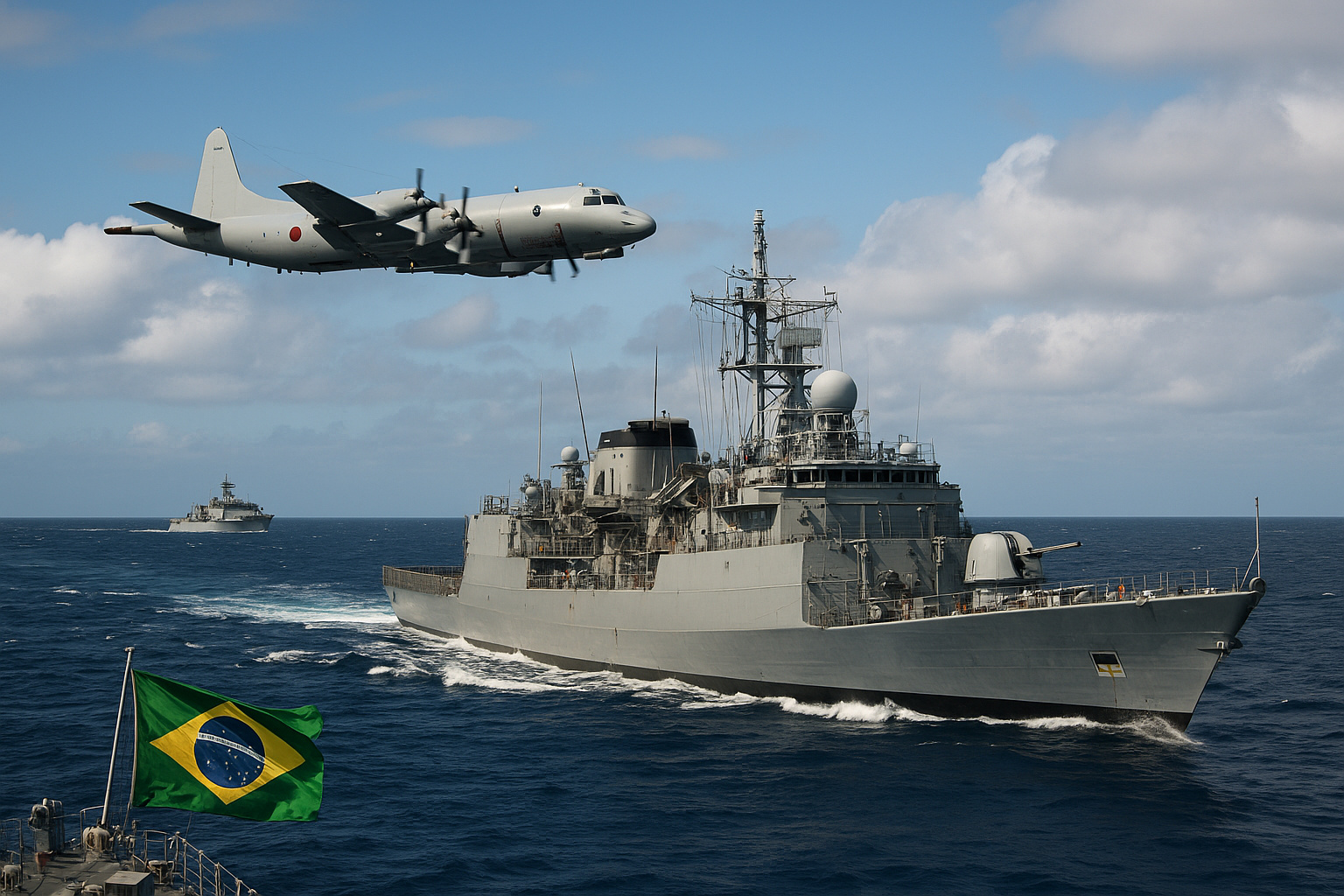
The naval inspections carried out in Tefé complemented the operation conducted in Japurá and Jutaí. The Navy’s presence expanded control in strategic river stretches and reinforced the monitoring of movements linked to illegal mining.
The measure demonstrates how naval monitoring has become an important part of actions against clandestine activities in the Amazon. FORC’s actions allowed for an expansion of the Navy’s operational presence in sensitive areas of the Amazonian territory.
Millionaire loss exposes the operation’s impact
The loss of R$ 151 million caused to illegal mining shows the reach of the offensive conducted by the Brazilian Navy. The disabling of the dredges directly impacted high-value equipment and affected the structure used for irregular activities in the Amazonian rivers.
According to the Navy News Agency, the action reinforces the fight against illegal mining in the Amazon and expands the State’s presence in riverine areas.
How many other clandestine structures can still be found in the rivers of Amazonas?