






 Portuguese
  Spanish
  3 min of reading
  0 comments


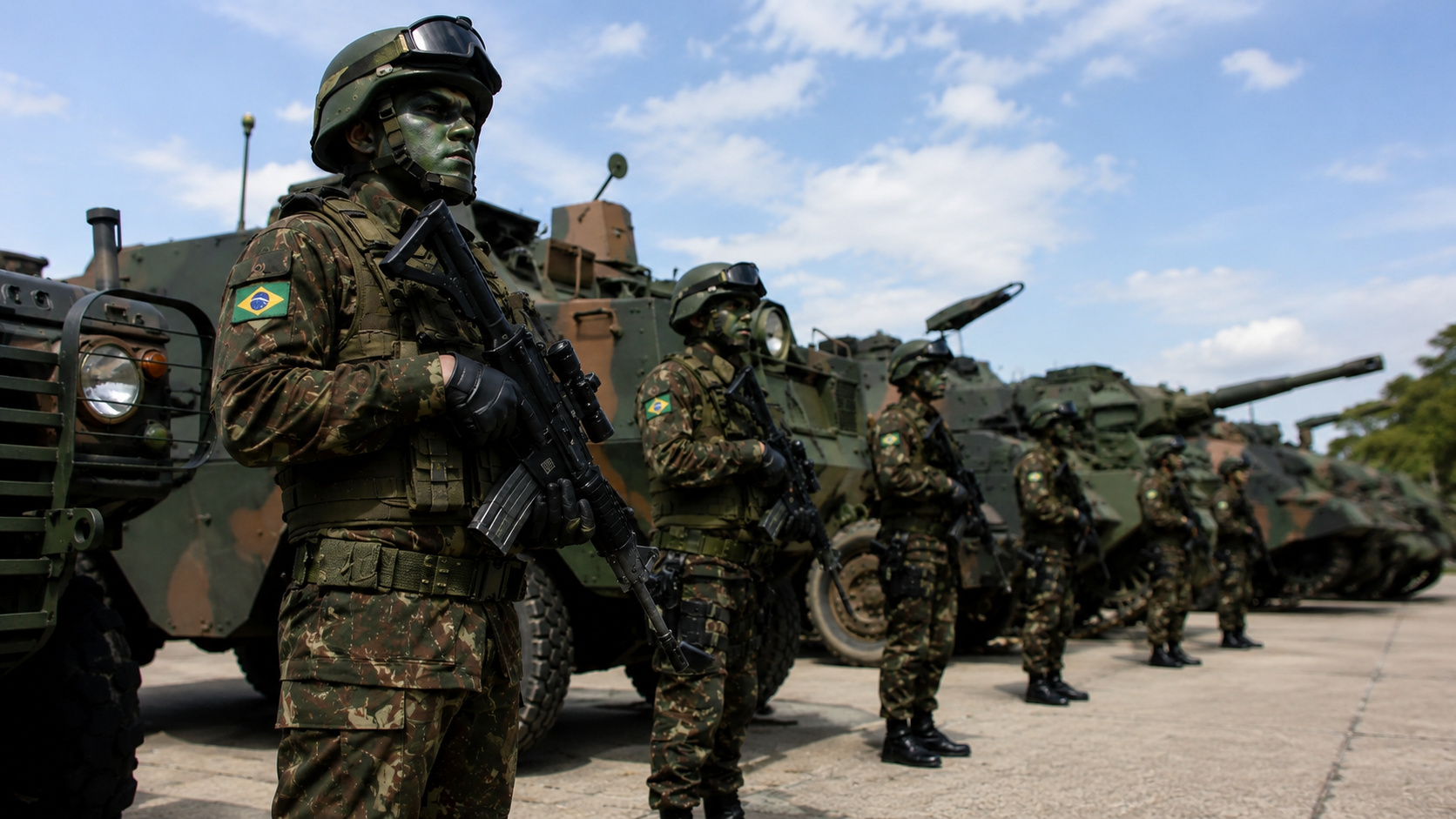
A survey released by the Stockholm International Peace Research Institute (SIPRI) shows that, despite leading total military spending in South America and discussing an increase in the defense budget in 2026, Brazil ranks behind Uruguay, Colombia, Chile, and Ecuador in military investment per inhabitant, while the government tries to strengthen its strategic position amidst a global scenario of instability and pressure for greater national sovereignty
Brazil is discussing increasing its defense budget, but still ranks in 74th place globally for military spending per inhabitant in 2025. According to SIPRI data, released on April 27, the country invests US$ 112.74 per person, an amount equivalent to approximately R$ 601.39.
In this context, the discussion gained momentum after a statement by the Minister of Defense, José Múcio Monteiro, during the opening of Mecodex 2026, in Brasília, on May 4. On the occasion, he stated that Brazil is considering raising the defense budget to at least 1.5% of net current revenue.
Investment per inhabitant places Brazil below its neighbors
However, despite the ambition to reinforce national sovereignty, Brazil still lags behind four South American countries in military spending per capita. Thus, Brazil’s performance weakens when the budget is divided by the number of inhabitants.
-
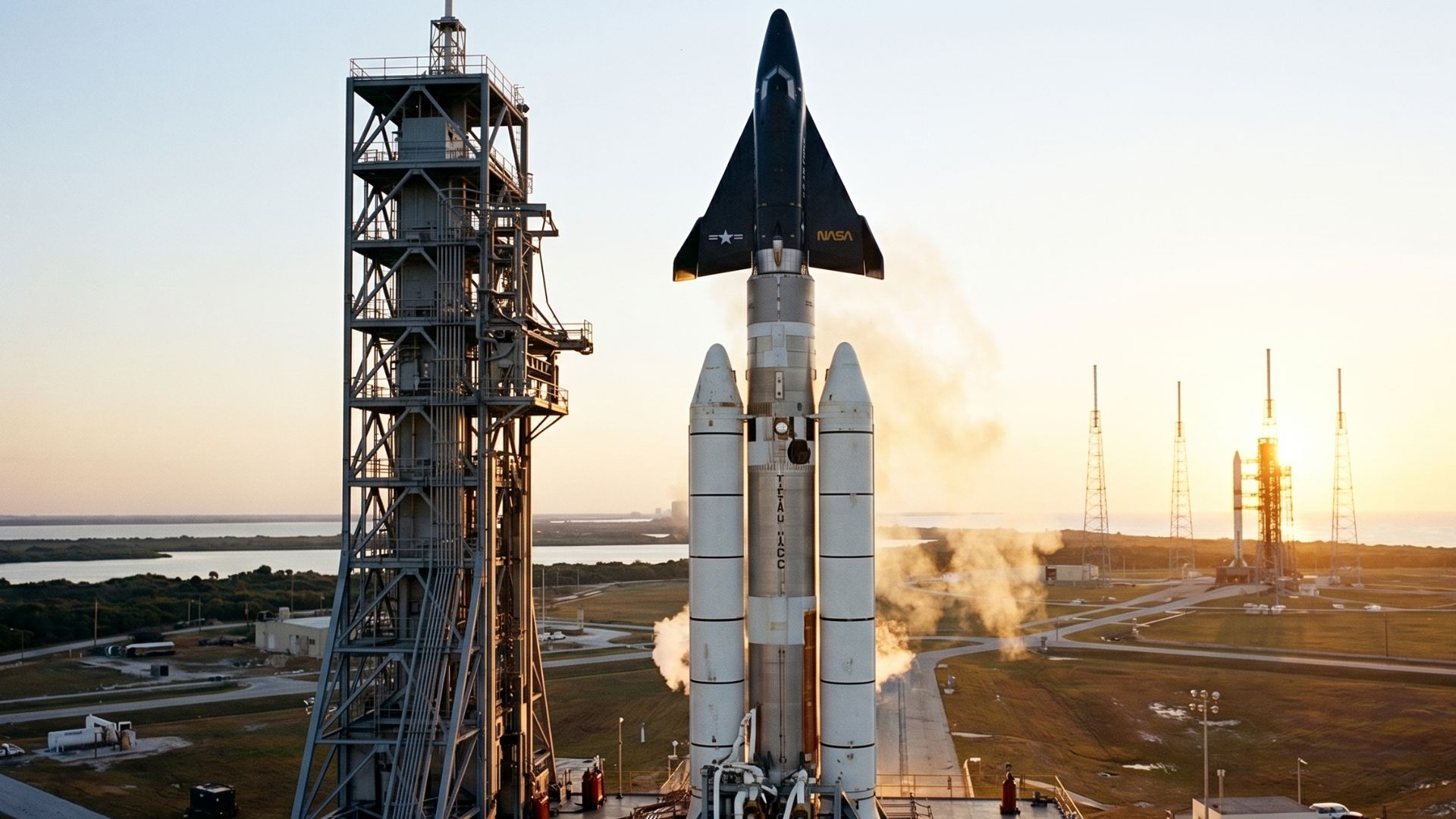
The military spaceplane that almost took the Cold War into orbit: Boeing X-20 Dyna-Soar was designed to re-enter above Mach 20, fly for up to 40 hours, land like a plane, and transform Titan rockets into a gateway to a new era of orbital warfare.

-
FAB bets on national drones and increases investments to strengthen the Brazilian aerospace industry

-
Six times, a luminous crescent the size of the Moon startled the Soviet sky at dusk: it seemed like a wave of UFOs, but it was a secret orbital weapon created to attack the United States via the South Pole and evade Cold War radars.

-
The United States government approved a potential sale of 100 portable Stinger anti-aircraft missiles to the Brazilian Army, in a package estimated at around 330 million dollars that still depends on negotiations between the two countries.



Among the neighbors ahead are:
Uruguay — 35th place, with US$ 577.2 per inhabitant
Colombia — 52nd place, with US$ 272.8 per inhabitant
Chile — 54th place, with US$ 268.9 per inhabitant
Ecuador — 66th place, with US$ 150.2 per inhabitant
Following them are Peru, in 86th place, Paraguay, in 94th, and Bolivia, in 96th.
Brazil leads in total spending, but faces budget pressure
On the other hand, when the criterion is the total volume of military spending, Brazil maintains regional leadership. According to the cited survey, the country accounts for 42.4% of South America’s military budget.


Still, in the global ranking of total military spending, Brazil occupies the 21st position. The country also registered a 13% increase between 2024 and 2025, according to the data presented.
However, José Múcio again complained about the lack of financial predictability in the ministry. According to the minister, the approximately R$ 130 billion of the budget “is absolutely not enough for anything”, as 83% of the resources are allocated to fixed expenses.
Global ranking is led by Israel
Meanwhile, at the top of the global ranking of military spending per inhabitant, Israel appears in 1st place, with US$ 5,107.9. Next come Norway, with US$ 3,039.8, and Singapore, with US$ 2,979.7.
On the same list, the United States occupies the 4th position, with US$ 2,755.4, while Denmark appears in 5th place, with US$ 2,495.2.
Ukraine appears in 7th place. Russia is in 13th, the United Kingdom in 15th, France in 22nd, China in 56th, and India in 90th.
Therefore, although China and India have populations exceeding 1 billion inhabitants, both lose strength in the per capita calculation. Still, in total volume, they remain among the largest military budgets in the world: China ranked 2nd, with US$ 336 billion, while India occupied the 5th position, with US$ 92.1 billion.
After all, how does Brazil intend to expand its military influence if it still spends less per inhabitant than four South American neighbors?







Be the first to react!