Portuguese
  Spanish



Ford Confirms Reduction of Up to 1,000 Jobs at the Cologne, Germany, Plant After Low Demand for Electric Cars in the European Market.
Ford confirmed on Tuesday (16) that it will reduce up to 1,000 jobs at its Cologne plant in Germany, dedicated to the production of electric cars. According to the automaker, the move is related to the decline in demand for battery-powered vehicles, below what the industry had projected.
The decision is part of a larger restructuring plan announced in November 2024, which aims to eliminate around 4,000 positions in Europe. In Germany alone, 2,900 jobs were already included in the cuts, reflecting the company’s effort to adapt its operations to the current automotive market scenario.
Direct Impact on the Cologne Plant
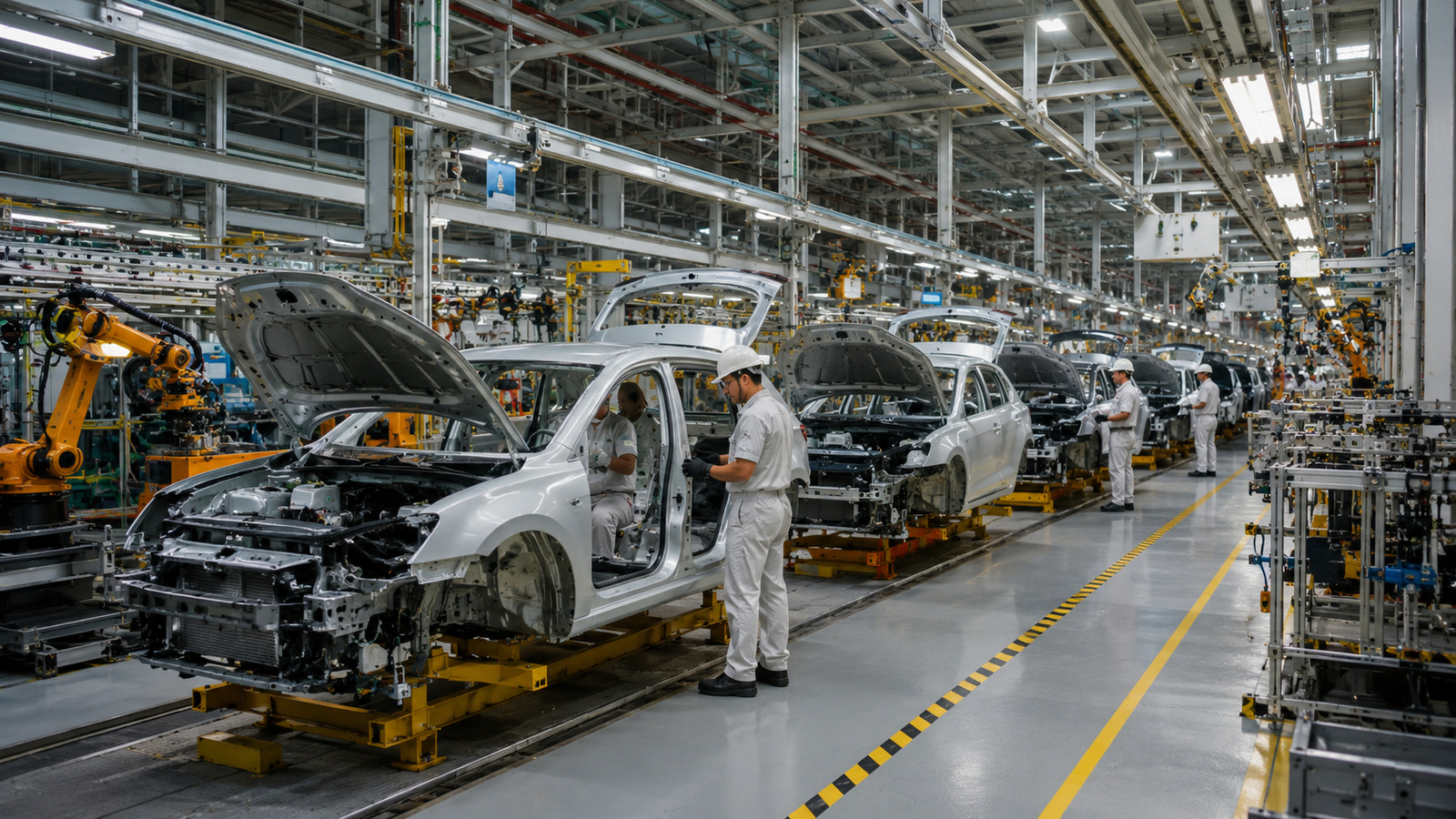
The Cologne plant, responsible for producing the electric version of the Explorer SUV, will undergo a significant change in its routine. Starting in January, it will operate only one shift per day instead of two. The company emphasized that it intends to adopt, whenever possible, voluntary exits and agreements before opting for forced dismissals.
-
BYD’s Dolphin Mini Becomes Electric Vehicle Sensation in Brazil, Surpassing 300,000 Sales with Major Factory and Retail Leadership

-
Brazil Faces Surge in Copper Wire Thefts at Electric Car Charging Stations, Leaving Drivers Stranded

-
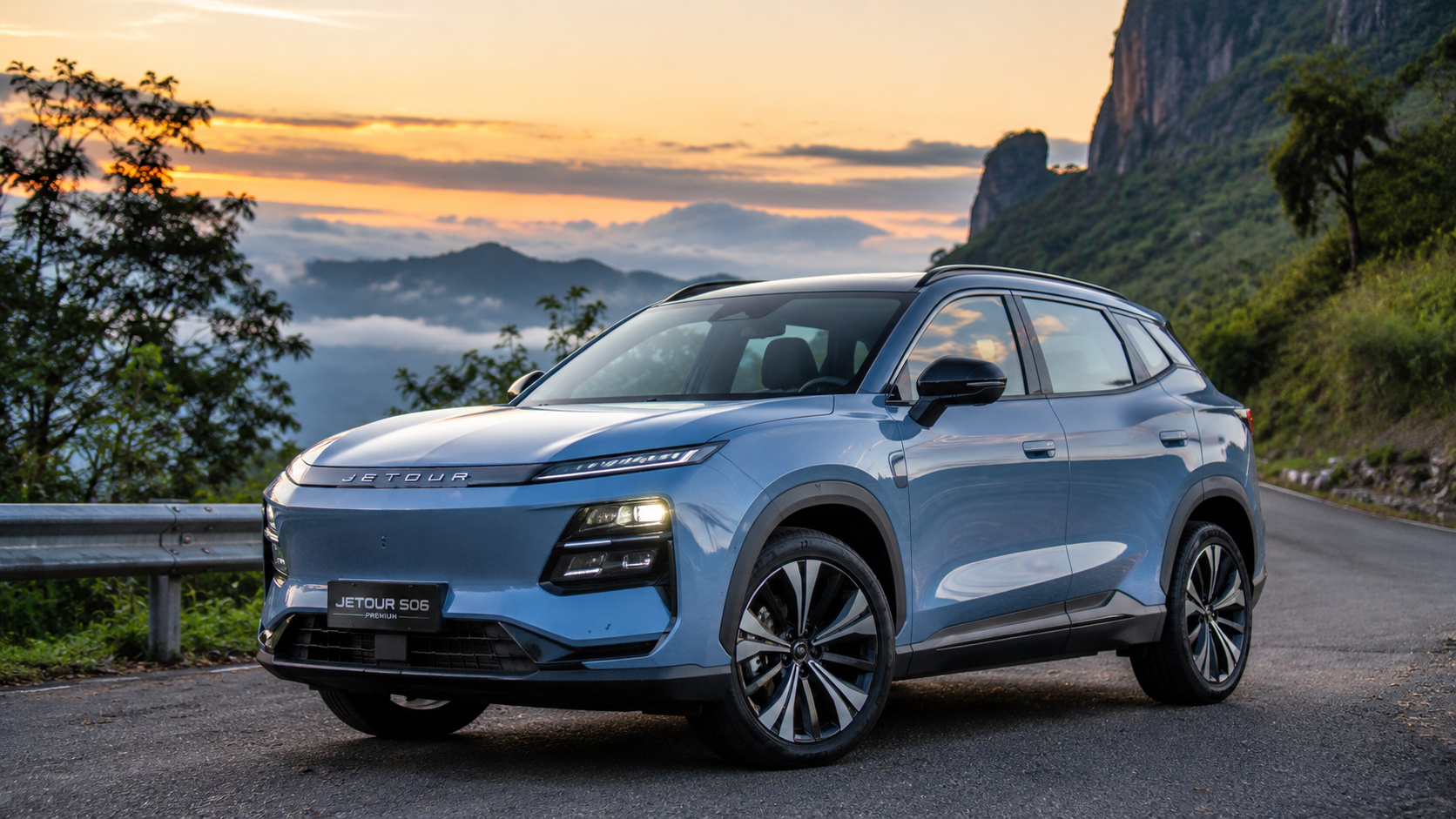
Jetour S06 Launches in Brazil as a More Affordable Plug-In Hybrid SUV Than BYD Song Plus and Haval H6, But Tests Highlight Its Shortcomings
-
Electric and Hybrid Cars Set to Transform Brazilian Streets: A New Era Begins
According to an official statement, Ford constantly assesses production volumes and adjusts them according to actual consumer demand. “In Europe, the demand for electric cars is significantly below the industry’s forecasts,” stated the automaker.
Electric Cars and the European Market
Although electric vehicles have increased their market share from 12.5% to 15.6% in the European market by July, the growth fell short of expectations. Part of this scenario is explained by the withdrawal of government subsidies in Germany, which directly impacted the pace of technology adoption.
Despite this challenge, Ford maintained its stable market share at 3.3% on the continent. In the first seven months of the year, the company sold 260,000 vehicles of various models, registering a slight increase of 0.7%.