Portuguese
  Spanish


Alessandra Genovesi saw the physical store of Donna Fifi close during the pandemic, bet on daily live broadcasts with her son Pedro as a partner, jumped from 10 thousand to more than 1 million followers, and today sells in one day what used to take a month
In July 2026, Alessandra Genovesi’s story spreads across the country as an example of reinvention in retail. A former physical education teacher in São Paulo, she supplemented her income by selling bikinis and fitness clothing to her own students until she realized that her sales instinct spoke louder than the whistle on the court.
According to RJ99, her thrift store, Donna Fifi, jumped from about 10 thousand to more than 1 million followers on social media and now earns R$ 250 thousand per month, with a team of 7 employees. The detail that changes everything: the revenue that used to take an entire month to come in is now achieved in a single day of live streaming.
From the classroom court to the clothing rack
The transition was not a leap into the unknown; it was a climb. While still teaching, Alessandra sold pieces to her circle of students and contacts, practically testing what worked. According to Outra Revista, “I always liked selling,” she summarizes.
-
Brazilian Family-Owned Notebook Brand Animativa, Known for Scented Notebooks and Turma da Mônica Licenses, Reaches $42 Million in Revenue

-
Indian Inventor, 58, Develops Steering Wheel-Free Agricultural Machine Operated by Levers, Offering Cost-Effective Alternative to Expensive Tractors

-
Brazilian Senate Approves Bill to Automate Child Support Payments Directly from Debtors’ Accounts
-
Brazilian Student in the U.S. Helps Provide Clean Water to 50 Families in São Paulo Slum, Launches Year-Long Volunteer Project with National Expansion Plans


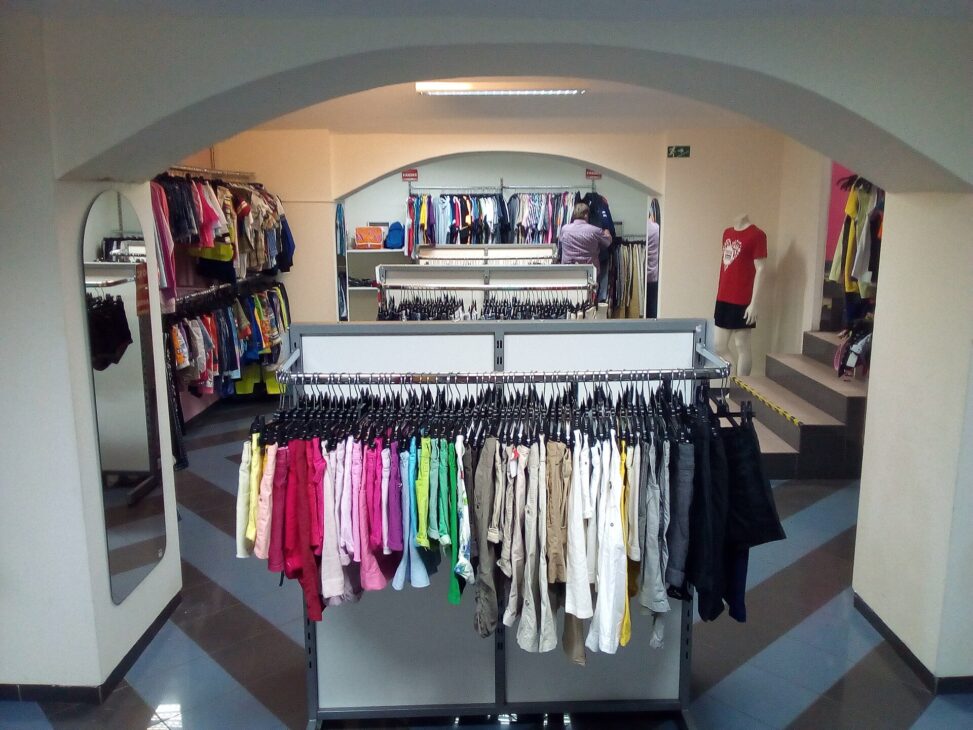
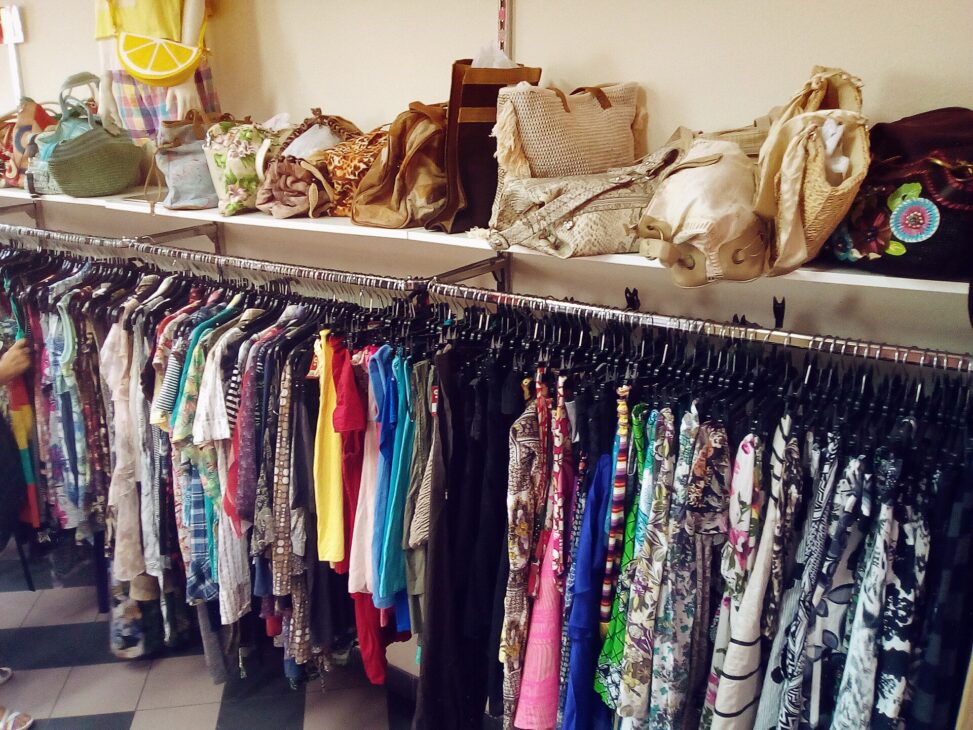
The physical thrift store in downtown São Paulo started small, without a fitting room, and grew until it operated with five fitting spaces and an operational area upstairs. The model combines consignment and direct purchase, with strict curation of the pieces; the house rule is that used clothes only come in if they are in a condition to be desired again.
The pandemic closed the store and opened the business
The blow came with the pandemic: the physical store closed its doors and the movement came to a halt. That’s when Alessandra made the bet that changed the scale of the business: daily live broadcasts on social media, showing the pieces that came in, with price, brand, and size, and her son, Pedro Genovesi, joined as a partner to lead the digital strategy. “Live every day, we show what’s coming in,” she tells Outra Revista.
The format created a perfect marriage between thrift store and live broadcast: each piece is unique, so whoever sees it has to decide on the spot. According to RJ99, one of the insights was selling influencers’ decluttered items live, and she sums up the result in one sentence: “Everything sold out on the same day.”
The urgency machine: no stock, no second chance
The commercial secret of Donna Fifi is true scarcity, not the manufactured kind. “We have no stock. There’s that piece and it’s gone,” Alessandra explains to RJ99, and it’s exactly this rule that turns each live into a race: those who hesitate lose the piece to another customer who was watching. In traditional retail, the customer postpones the purchase; in live thrift, delaying means missing out.
This mechanism explains why the model scales so quickly on social media. The daily live becomes a commitment in the followers’ schedule, the decluttering of unique pieces becomes an event, and the algorithm rewards recurring audiences. It’s the same engine that made live retail explode in China, reproduced with a São Paulo accent and second-hand rack.
R$ 250 thousand per month and national recognition
The numbers have put the former teacher on another level. Besides the monthly revenue of R$ 250 thousand and the team of 7 employees, Alessandra won the first edition of the segment “Quem Empreende Conta” on the program Pequenas Empresas & Grandes Negócios, according to RJ99, which gave Donna Fifi national validation. From selling bikinis to students to a digital retail case, the curve took just a few years.
The revenue also tells a story of rare productivity in commerce: with unique pieces and curation, the thrift store doesn’t need idle stock or capital tied up in collections. The money circulates at the pace of the lives, and the risk of unsold inventory, which kills traditional clothing stores, practically disappears.
Why thrift stores became serious business in Brazil
The journey of Donna Fifi rides along with a behavioral change that is here to stay. Used clothes have stopped being synonymous with tight budgets and have become smart consumption: branded items for a fraction of the price, sustainability in discourse, and treasure hunting as fun, a combination that attracts everyone from students to executives. The thrift store, which used to be at the back of the street, has become a social media showcase.
For those who are entrepreneurs, the message is clear: the sector has a low entry barrier, operates with little capital, and gains scale with audience, not store size. What differentiates those who earn R$ 250,000 per month from those who sell little is not the product, but the method: curation, consistency in live streams, and a community that trusts the owner.
The lesson from the teacher who became a phenomenon
Alessandra did not invent the thrift store or the live stream; she combined the two with the discipline of a teacher. Daily classes turned into daily live streams, roll call became a loyal audience, and the final exam is a business that earns in one day what used to take a month. She has already announced the next chapter to RJ99: “I want to have one in every city.”
In a country where the fashion retail lives off sales and unsold stock, Donna Fifi shows that the lean model can be the most profitable.
Tell us in the comments: would you buy thrift store clothes via live stream, or do you still prefer to try them on in-store before paying?