Portuguese
  Spanish


Born in Itajobi and now based in Catanduva, Animativa has evolved from a small newspaper printing shop to a stationery powerhouse with over 800 products, serving 7,500 clients across Brazil, and plans to grow again with licenses, sensory notebooks, and its first own kiosk
Few teenagers today who compete for a scented Turma da Mônica notebook imagine that this brand started, more than eighty years ago, printing a newspaper in a small town in the interior of São Paulo. In 1944, in the small town of Itajobi, four brothers, José, Antônio, Pedro, and Octacílio Boso, invested in a printing shop to produce prints, newspapers, and certificates. It was the embryo of what would become one of the largest stationery factories in the country.
According to Exame, Animativa earned R$ 210 million from March 2025 to March 2026, a growth of 13% over the previous year, while remaining a family-run business by the founders’ family. The journey, from the newspaper press to the coveted notebook, is a portrait of how a Brazilian company from the interior reinvents itself without betraying its own origins.
From the Itajobi newspaper to school notebooks
The story embodies the spirit of entrepreneurship in the interior: it starts small and grows through hard work. Founded in 1944 to print a local newspaper, the company was moved to Catanduva, also in the interior of São Paulo, and expanded its operations to standardized prints, books, and certificates over the following decades.
-
Indian Inventor, 58, Develops Steering Wheel-Free Agricultural Machine Operated by Levers, Offering Cost-Effective Alternative to Expensive Tractors

-
Brazilian Senate Approves Bill to Automate Child Support Payments Directly from Debtors’ Accounts
-
Brazilian Student in the U.S. Helps Provide Clean Water to 50 Families in São Paulo Slum, Launches Year-Long Volunteer Project with National Expansion Plans
-
Daughter of Farmers from Brazil Uses Social Media to Highlight Rural Life and Promote Agriculture


The turning point came in the 1980s, when the company entered the school segment and began producing notebooks and planners, the core of the business to this day. This decision took the company out of the niche of on-demand prints and placed it in a market of millions of students who change materials every year. From then on, the name Animativa started traveling in backpacks across Brazil.
The notebook that became a coveted item
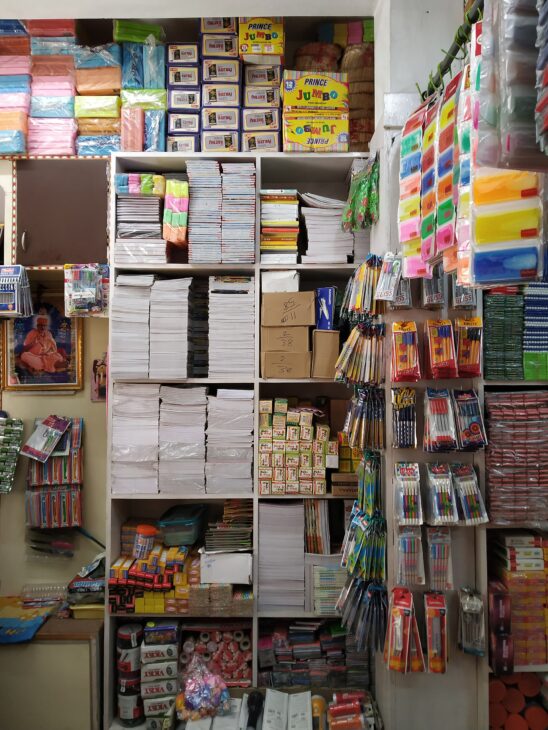
The recent big leap wasn’t about machinery, it was about perception. Animativa understood that notebooks have ceased to be just lined paper and have become an item of identity and collection for the young audience. The company bet on so-called sensory innovation, with decorated and scented notebooks, and secured licenses for brands loved by children and teenagers, such as Turma da Mônica, Disney, Moranguinho, Manual do Mundo, and Care Bears.
The effect is transforming a cheap and common product into a coveted piece, with quick turnover and better margins. According to Mundo do Marketing, the strategy is precisely to become a coveted brand in stationery, and not just another notebook supplier. It’s the same movement that made sneakers, thermos bottles, and pens become status objects: adding story, license, and sensation to a shelf item.
R$ 210 million, 800 products, and 7,500 clients
Behind the beautiful appeal of the covers, there is a heavyweight industrial operation. According to Mundo do Marketing, Animativa’s portfolio totals more than 800 different products, and the company serves about 7,500 active clients in the country through more than 60 commercial representatives, in a sales model for networks, wholesalers, and independent stationery stores.
It’s a scale business, built in B2B, that supplies the end without depending on a single store. The revenue of R$ 210 million comes precisely from this capillarity: one notebook at a time, multiplied by thousands of points of sale. And the company doesn’t want to stop there. According to Mundo do Marketing, Animativa projects growth between 15% and 20%, driven by licensed lines and higher value-added products.
The turnaround of family management
Keeping a company alive for eight decades requires more than tradition. Animativa underwent a restructuring between 2020 and 2021 to professionalize management with the arrival of CEO Djalma Nunes, while keeping the founders’ family in strategic command and in the business values. It was a way to combine the experience of those who built the brand with the management standards that a revenue of hundreds of millions demands.
In this new cycle, the company also began testing direct-to-consumer sales. Animativa opened its first own kiosk in Iguatemi Shopping in São José do Rio Preto as a laboratory to understand the end customer up close. “The kiosk was born as a brand and consumer behavior laboratory. It allows us to test products, pricing, turnover, and value perception in real-time,” stated CEO Djalma Nunes to Exame.
Why an 80-year-old stationery store is still growing
In a time of screens and digital notebooks, many people bet that paper is dying. Animativa shows the opposite: physical school supplies continue to move billions in Brazil every year, and those who turn the ordinary notebook into a collectible and branded item can grow even in a market that seemed mature and without novelty. The key is to understand that the young consumer doesn’t just buy paper, they buy belonging, character, and sensation.
That’s why licensing and sensory innovation matter so much. A notebook from Turma da Mônica or Disney doesn’t compete on price, it competes on affection, and affection sustains margin. The company’s trajectory shows that reinvention is not abandoning what you do, it’s giving new meaning to the same product year after year, generation after generation.
What this story says about entrepreneurship in the interior of Brazil
Animativa is a reminder that an empire doesn’t only arise in the capital with venture investors. A family from the interior of São Paulo took a newspaper printing press from 1944, went through eighty years of changes, entered the school notebook market in the 1980s, and today commands a R$ 210 million operation that fills students’ backpacks all over Brazil. In the end, the lesson is simple: long-term patience, a product that everyone uses, and the courage to give a new face to the old.
While many family businesses get lost in the third generation, the Boso family professionalized management without giving up the soul of the company.
Tell us in the comments: which notebook marked your childhood, and would you pay more for one scented with your favorite character?