Portuguese
  Spanish


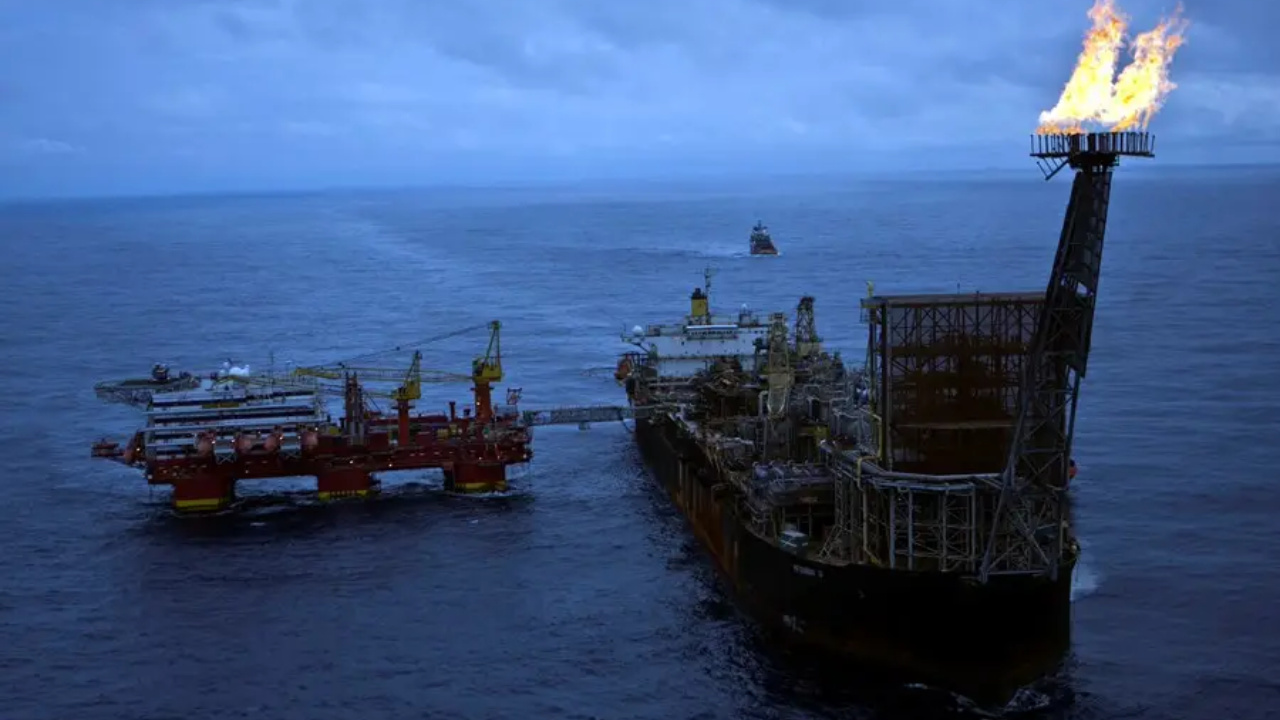

With the Advancement of Drilling Campaigns in the Amazon River Delta Basin, Amapá Emerges as a Potential New Macaé, Capable of Exporting Oil and Gas Goods and Services and Strengthening the Economy of the Equatorial Margin.
The start of drilling campaigns in the Amazon River Delta Basin promises to redefine the Brazilian energy map. According to the president of the Brazilian Association of Oil Goods and Service Companies (Abespetro), Telmo Ghiorzi, the Amapá region has ideal conditions to become an important hub for exporting oil and gas goods and services — similar to what happened in Macaé, Rio de Janeiro.
During an interview with estúdio eixos, held on October 28, during the OTC Brasil 2025 in Rio de Janeiro, Ghiorzi emphasized that the Amapá coast is strategically positioned. “Amapá is at the tip of the Brazilian Equatorial Margin, but in the middle of the Equatorial Margin of South America,” he explained.
This privileged location, according to him, opens the door for the state to not only meet the demands of the Brazilian Equatorial Margin but also to become a supplier of goods and services for Guyana and Suriname, neighboring countries that are also intensifying their offshore exploration activities.
-
With a record production of nearly 3 million barrels per day, Petrobras resumes importing diesel in July, highlighting the bottleneck in Brazilian refining.

-
Qantas and Airbus Invest in Company Aiming to Convert Unsorted Household Trash into Jet Fuel

-
Brazil’s ANP Opens 86 New Oil Blocks in the Equatorial Margin, Expanding the Amazon River Mouth Frontier

-
OPEC+ Boosts Oil Supply by 188,000 Barrels per Day in July 2026, Leading to Price Drop from $112 to $89 per Barrel in Under Two Months
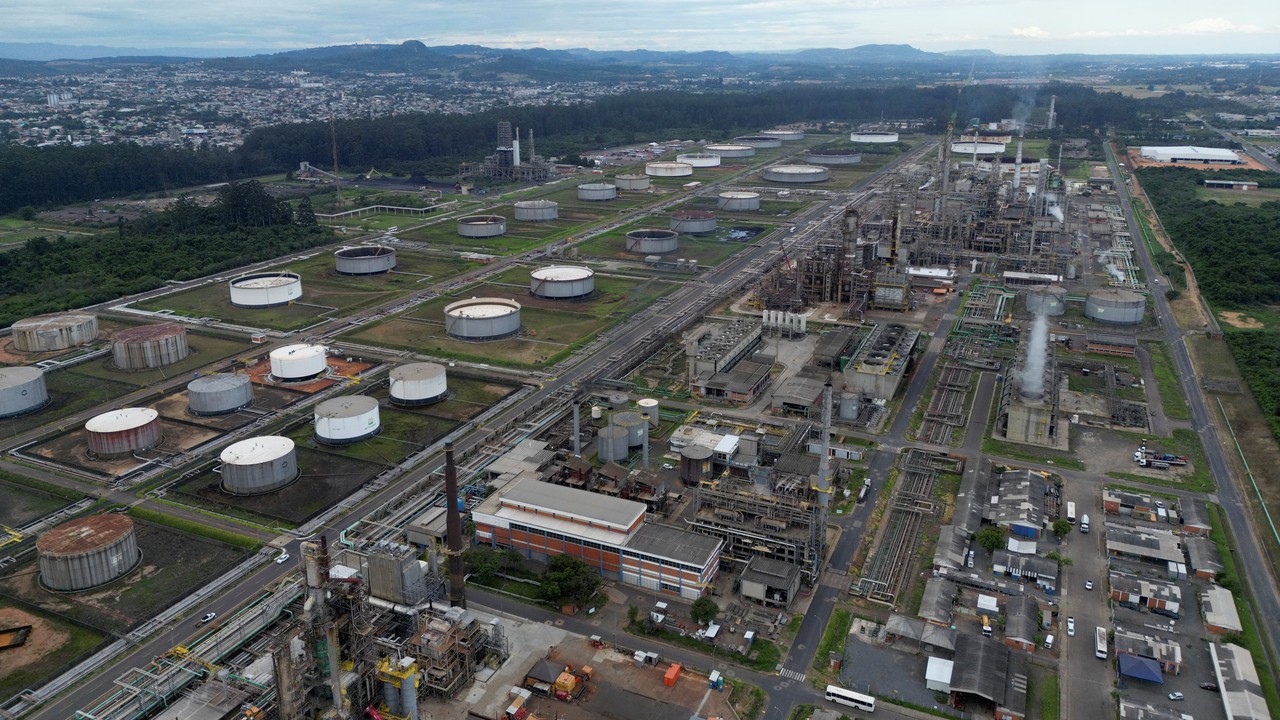


From Fishing Village to Power: The Parallel Between Macaé and Amapá
When comparing the two scenarios, Ghiorzi pointed out that Macaé, half a century ago, “was a small fishing village” and had less infrastructure than cities in Amapá such as Macapá and Oiapoque currently have. This difference, according to him, is a favorable point that could accelerate the development of Amapá as a new logistical base for the sector.
While Macaé has become the Capital of Oil, Amapá has the advantage of starting with a more modern and planned model. “Macaé was not designed as an exporting hub for goods and services. But Amapá can build on the lessons learned,” Ghiorzi stated, emphasizing that the state will be able to adopt a more structured approach from the beginning of exploration in the Amazon River Delta.
Initial Movements and Impacts on the Local Production Chain
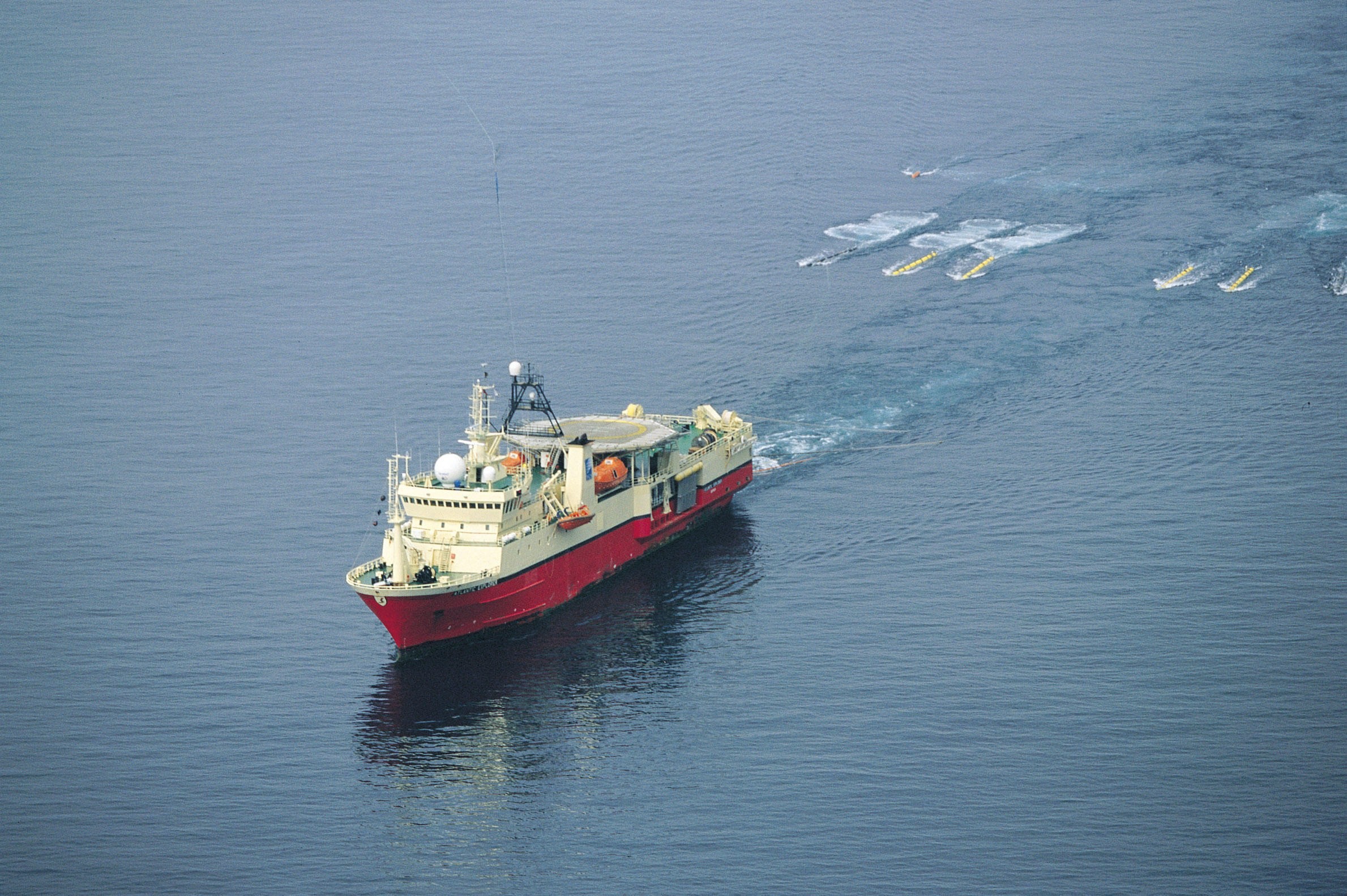
The initial exploration activities are expected to attract offshore support bases, responsible for supplying drilling rigs. According to Ghiorzi, this operation will begin using structures in Belém (PA), but the trend is that, with the advancement of activities, there will be a need to install a permanent base on the Amapá coast.
This movement is expected to have a direct impact on the local production chain, stimulating sectors such as machining, maintenance, and specialized services. “And, in the future, large equipment factories,” added the president of Abespetro, predicting an industrial expansion similar to that experienced by Macaé over the past decades.
Equatorial Margin and New Opportunities for Amapá
The Equatorial Margin, considered one of the most promising areas for oil and gas exploration in the country, has been attracting the interest of large and medium-sized oil companies. The entry of independent companies in the pre-salt and the increased competitiveness of the sector, with average production costs around US$ 35 per barrel, expand dynamism and reduce risks for the production chain.
Ghiorzi also emphasized that the reduction of investments by Petrobras should not worry the market, as the industry is “solid and diversified.” According to him, Amapá is likely to become a robust regional hub, capable of exporting goods and services and strengthening the economy not only locally but throughout the Northern region.
With the advancement of exploratory projects, the Amapá coast could attract investments in port infrastructure, professional training, and technological innovation. The trend is that, in the coming years, the state consolidates a strategic logistical base to meet not only Brazilian demands but also the operations of neighboring countries in the Equatorial Margin.
Thus, the Amazon River Delta Basin establishes itself as a key piece in Brazil’s energy future, with Amapá emerging as a protagonist in a new era of opportunities, jobs, and industrial development in the Northern region.