Portuguese
  Spanish


The solar furnace in France uses thousands of mirrors to concentrate up to 16,000 times the sunlight, exceeds 3,000 °C, and drives research with new materials, metallurgy, ceramics, and solar energy-based technologies.
Solar energy is often associated with electricity production, but there is a very different application that takes this natural resource to an impressive level. In the south of France, a solar furnace with mirrors concentrates up to 16,000 times the sunlight at a single point, producing temperatures above 3,000 °C.
The information was released by CNRS PROMES, the French center for concentrated solar energy research. The structure was created for scientific research and testing materials subjected to extreme heat, not to supply cities with electricity.
How a panel of mirrors can produce extreme heat using only sunlight
The operation of the solar furnace in France begins with 63 heliostats, movable mirrors that follow the Sun’s movement throughout the day. Their mission is to reflect the light to a large parabolic mirror installed in the main part of the structure.
-
Heatwave in Europe Causes Drownings: France Reports 40 Victims as Temperatures Soar to 40°C, Experts Issue Surprising Warning

-
Brazil to Use Reinforced Concrete in $200.4 Million Mega Roundabout Project with Four Overpasses and Expanded Bridge, Set to Last 630 Days
-
China Builds Underwater Wall After Discovering Technology That Could Shift Military Balance in the Pacific, Study Reveals Why the Asian Power Reacted Now
-
Gifted 11-Year-Old Son of Former Brazilian TV Dancer Makes History with University Admission, Impressing Authorities in Rio


This mirror has a curved shape that concentrates all the energy received in a very small area. Instead of spreading the light, it gathers the solar rays at a single point, intensely increasing the amount of heat available for experiments.
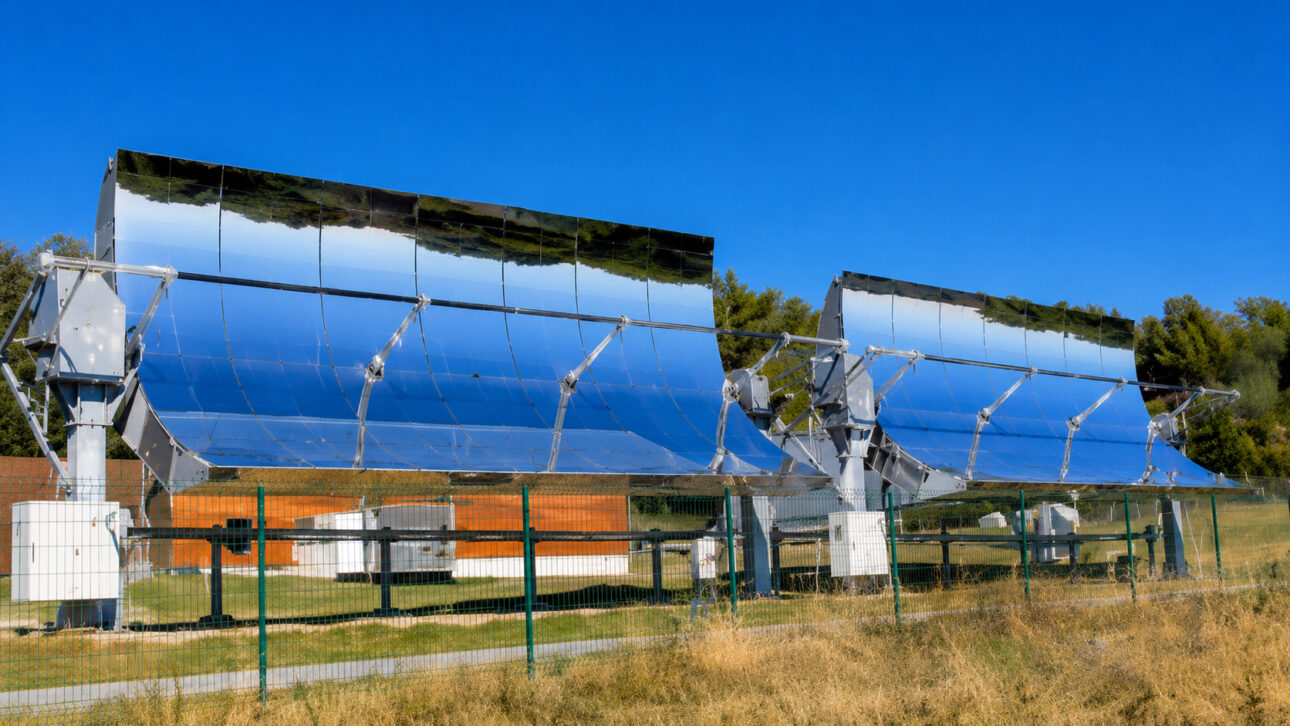
The result is a concentration of up to 16,000 times the sunlight, capable of generating temperatures above 3,000 °C in a focal area of approximately 80 centimeters in diameter.
The solar furnace was not built to generate electricity
Despite the impressive appearance, the purpose of the complex is different from that of a conventional solar power plant. The facility functions as a large laboratory where researchers can reproduce conditions of extremely high heat.
This environment allows for the analysis of the behavior of metals, ceramics, and other materials when exposed to temperatures that would be difficult to achieve by traditional methods. The results aid in the development of more resistant industrial processes and materials.
Research helps develop new technologies for the industry
CNRS PROMES, French research center in concentrated solar energy, also uses the solar furnace in studies related to the production of solar fuels and the development of processes that directly utilize the heat obtained by concentrating sunlight.
Another important field involves research on energy storage through chemical reactions conducted at high temperatures. The laboratory also provides conditions for experiments in controlled environments, including vacuum situations, expanding the possibilities for scientific investigation.
Why temperatures above 3,000 °C are so important
Producing more than 3,000 °C solely with solar energy allows scientists to observe how different materials react in extreme situations. This type of knowledge can contribute to the improvement of industrial processes and the development of components designed to withstand intense heat.
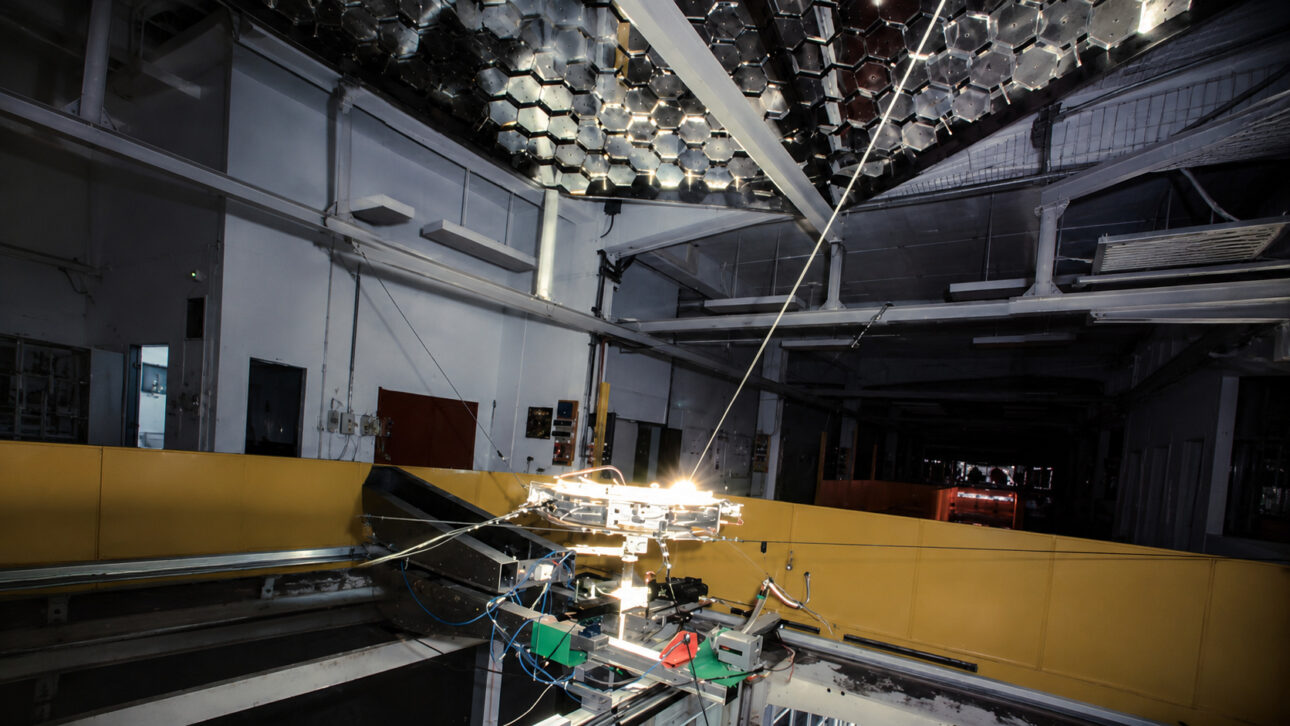
Another advantage is that the heat used in the experiments comes from the concentration of sunlight, reducing the need to resort to burning fuels to reach these temperatures during many studies.
One of the largest structures in the world dedicated to the study of concentrated solar energy
The Odeillo solar furnace, located in the south of France, remains one of the main scientific facilities dedicated to the study of concentrated solar power. The structure gathers thousands of mirrors in a system capable of reproducing extreme conditions that assist researchers from different fields.
Far beyond impressing with its size or the temperatures reached, the complex demonstrates how sunlight can be used to expand scientific knowledge and pave the way for new solutions in sectors such as metallurgy, ceramics, and industrial processes.
Do you believe that technologies capable of producing extreme heat solely with sunlight can change the future of industry and energy generation? Share your opinion in the comments.