






 Portuguese
  Spanish
  4 min of reading
  0 comments


Even though it is much lower than Everest, Chimborazo has the summit farthest from the center of the planet, according to the Guinness World Records. As the Earth is flattened at the poles and wider at the equator, the volcano is closer to space and becomes the closest point to the stars.
A volcano in Ecuador with 6,268 meters in height is more than 2,000 meters closer to space than Everest, which is 8,848 meters, because the Earth is wider at the equator. This detail defies intuition, as Everest remains the highest mountain in the world, but not the closest to the stars.
According to the Guinness World Records, the Chimborazo volcano in Ecuador holds this position instead of the famous Himalayan peak. Despite being 6,268 meters and smaller than Everest, which reaches 8,848 meters above sea level, Chimborazo has the top farthest from the Earth’s center than any other mountain. This happens because the planet is not a perfectly round sphere, but slightly wider at the Equator due to rotation, and the volcano is very close to this region. The NOAA, the United States National Oceanic and Atmospheric Administration, confirms the fact and classifies the summit as the point on Earth closest to space.
Why Chimborazo is closer to space
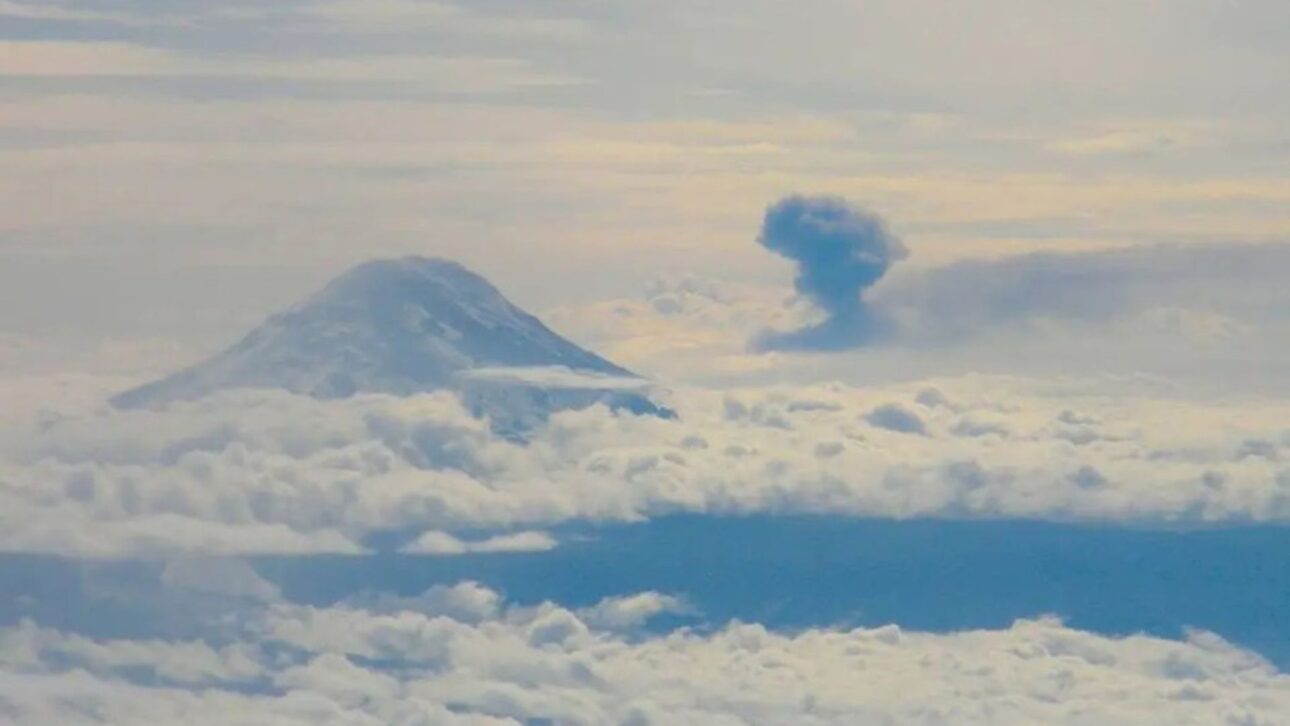
Volcano Chimborazo emerges among the clouds next to the ash cloud of Tungurahua
The explanation for this curiosity lies in the shape of the planet. The Earth is not a perfectly round sphere, but is slightly wider at the Equator due to its rotation, and since Chimborazo is very close to this belt, it takes advantage of this natural elevation of the planet to get closer to space.
-
Public school students in the hinterlands of Maranhão create a bioinsecticide with neem and castor to protect corn crops, transform rural waste into biogas and biofertilizer, and bring sustainable technology to producers at ExpoSertão.

-
Ötzi, the 5,300-year-old mummy found in the Alps, reveals a still active microbiome, and the Iceman’s yeast points to an energy-saving fermentation.

-
More than half of the Earth’s largest lakes are shrinking simultaneously: satellites reveal that 53% of the largest lakes and reservoirs have lost water over three decades, in a collapse equivalent to 17 times the largest reservoir in the United States.

-
Goodbye to the microwave: the appliance present in 96% of Brazilian kitchens is starting to lose space to a single device capable of heating, baking, broiling, and preparing recipes like a microwave, electric oven, and air fryer, occupying practically the same spot on the counter.


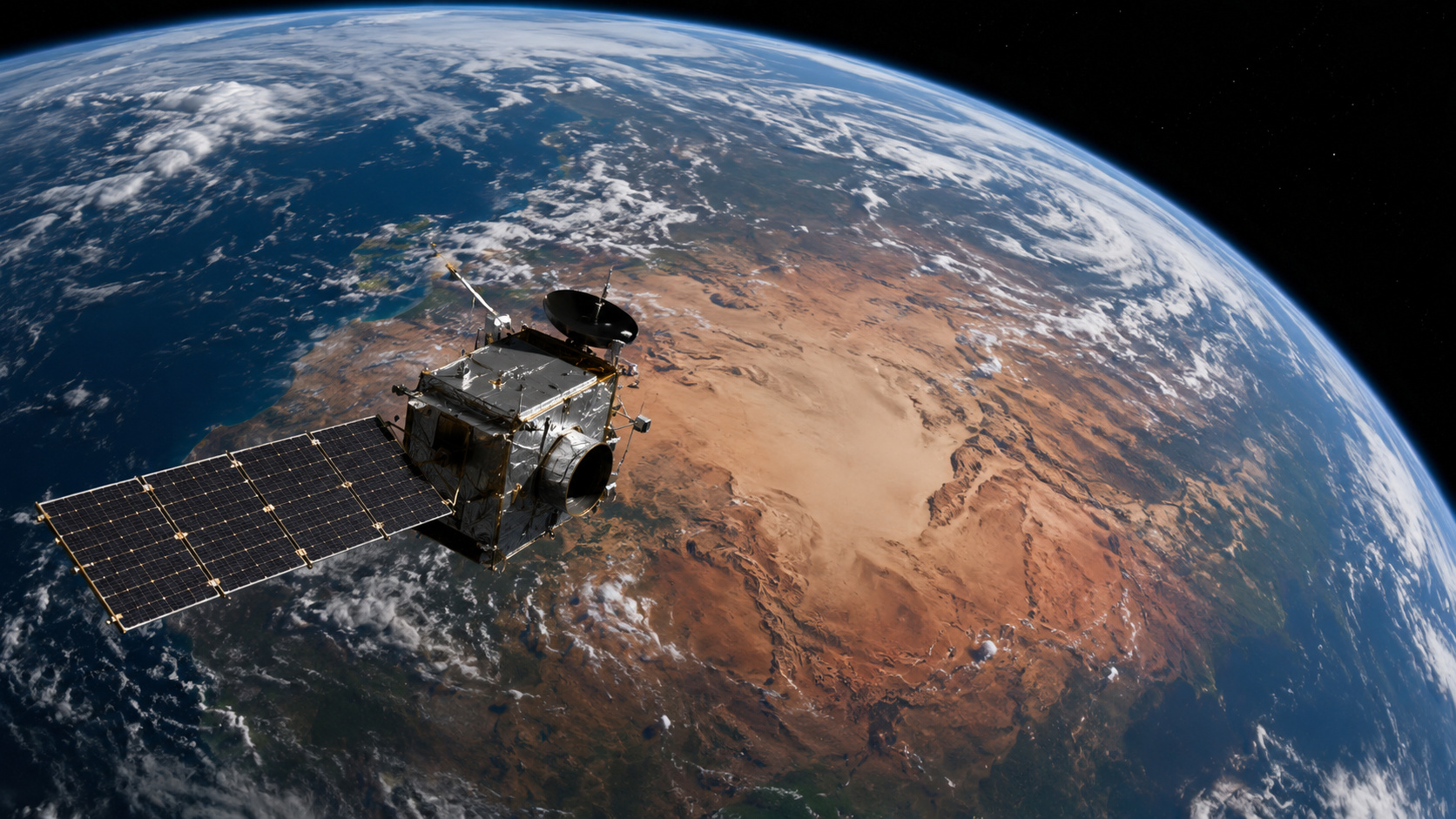

NOAA confirms the phenomenon: the top of the volcano is more than two thousand meters further from the Earth’s center than the summit of Everest. Located just one degree south of the Equator, where the planet’s bulge is greatest, no other mountain reaches so far from the center and, therefore, so close to space, which makes it, according to the American agency:
“the point on Earth closest to the stars.”
Everest remains the highest above sea level
Read more at: https://super.abril.com.br/ciencia/monte-everest-cresce-86-cm-na-medicao-oficial/
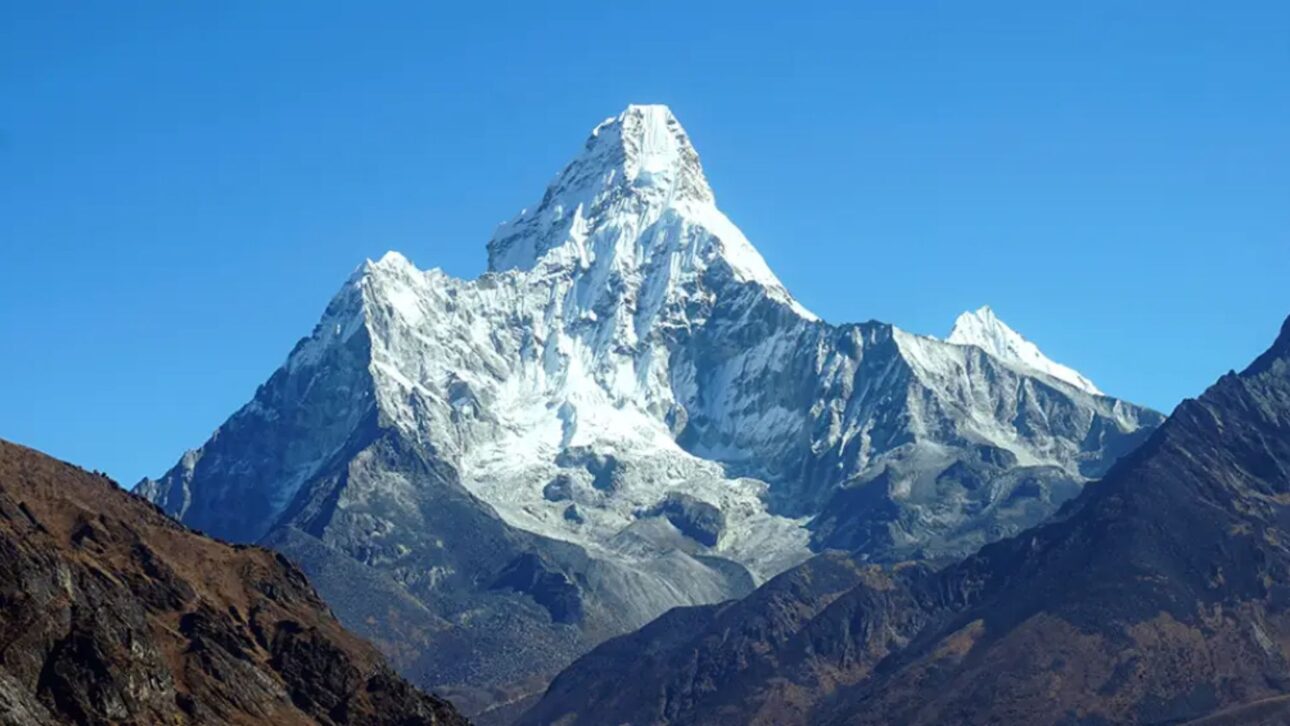
None of this takes away Everest’s main title. Located between Nepal and Tibet, the mountain remains the highest in the world when the comparison is made by sea level, with 8,848 meters, against Chimborazo’s 6,268 meters.
The point is that the two mountains answer different questions. Everest is the highest above sea level, while Chimborazo is the furthest from the Earth’s center and, therefore, the closest to space, so the apparent contradiction disappears when you understand that being the highest depends on the reference point used.
Chimborazo was once considered the highest mountain
Chimborazo’s relationship with records is old. The mountain is about 158 kilometers south of the Equator Line and is part of the Andes mountain range, and in the early 19th century, it was considered the highest in the world, long before gaining the current status of the point closest to space.
In 1802, German naturalist Alexander von Humboldt attempted to reach the top and couldn’t complete the climb, but reached about 6,100 meters of altitude, something impressive for the time. The first recorded ascent to the summit happened only in 1880, completed by Edward Whymper and the brothers Louis and Jean-Antoine Carrel.
Mauna Kea, the tallest from base to top
To complicate the ranking even more, there is a third way to measure a mountain, and neither Everest nor Chimborazo wins in this case. When the height is counted from the base to the top, the record goes to Mauna Kea, a Hawaiian volcano in the United States, even though it is not the closest to space.
Mauna Kea is not the tallest above sea level because much of it is below the Pacific Ocean, but considering its entire height, from base to summit, it exceeds 10,210 meters. In other words, each mountain holds a different record depending on the criterion, whether it be sea level, distance from the Earth’s center, or total height.
The contest for the tallest mountain or the one closest to space shows that the answer depends entirely on how it is measured. By sea level, Everest wins, with 8,848 meters; by distance from the Earth’s center, the title goes to Chimborazo in Ecuador, more than 2,000 meters further away thanks to the equatorial bulge, making it, according to the Guinness World Records and NOAA, the point on Earth closest to the stars; and from base to top, the record belongs to Hawaii’s Mauna Kea, with more than 10,210 meters.
In the end, the curiosity about Chimborazo is less an error and more a reminder that even something as solid as a mountain changes place when the point of reference is changed, and that being closer to space is just one of many ways to be the tallest.
And you, did you know that the mountain closest to space wasn’t Everest? Which of these records surprised you the most? Share your opinion and exchange ideas with other readers about science and curiosities of the planet.








Be the first to react!