Portuguese
  Spanish


Rare phenomena observed in Canada, Antarctica, the United States, Indonesia, Australia, and Venezuela show that the planet still holds unusual landscapes, little intuitive mechanisms, and explanations that continue to fascinate scientists, researchers, and visitors in various parts of the world
The natural phenomena most unlikely on the planet have once again drawn attention by bringing together, in different continents, scenarios that seem unreal but actually exist. From frozen methane bubbles under the ice in Canada to a pink lake in Australia and almost permanent thunderstorms in Venezuela, these cases show how the Earth still defies visual logic and continues to surprise even those who have studied the planet for decades.
What is most impressive is that many of these phenomena combine extreme beauty with unusual scientific explanations. In some cases, the appearance leads to fanciful interpretations. In others, the very process behind the scenario continues to spark interest because it helps to understand extreme environments, natural changes, and even the possibility of life beyond Earth.
What makes these phenomena so impressive in the eyes of science
The phenomena mentioned have something in common: they all seem to contradict what is expected from a common natural landscape. A lake can turn bright pink, a waterfall can flow in red tones, stones can appear to move on their own, and lightning can illuminate the sky for hours on end during several nights.
-
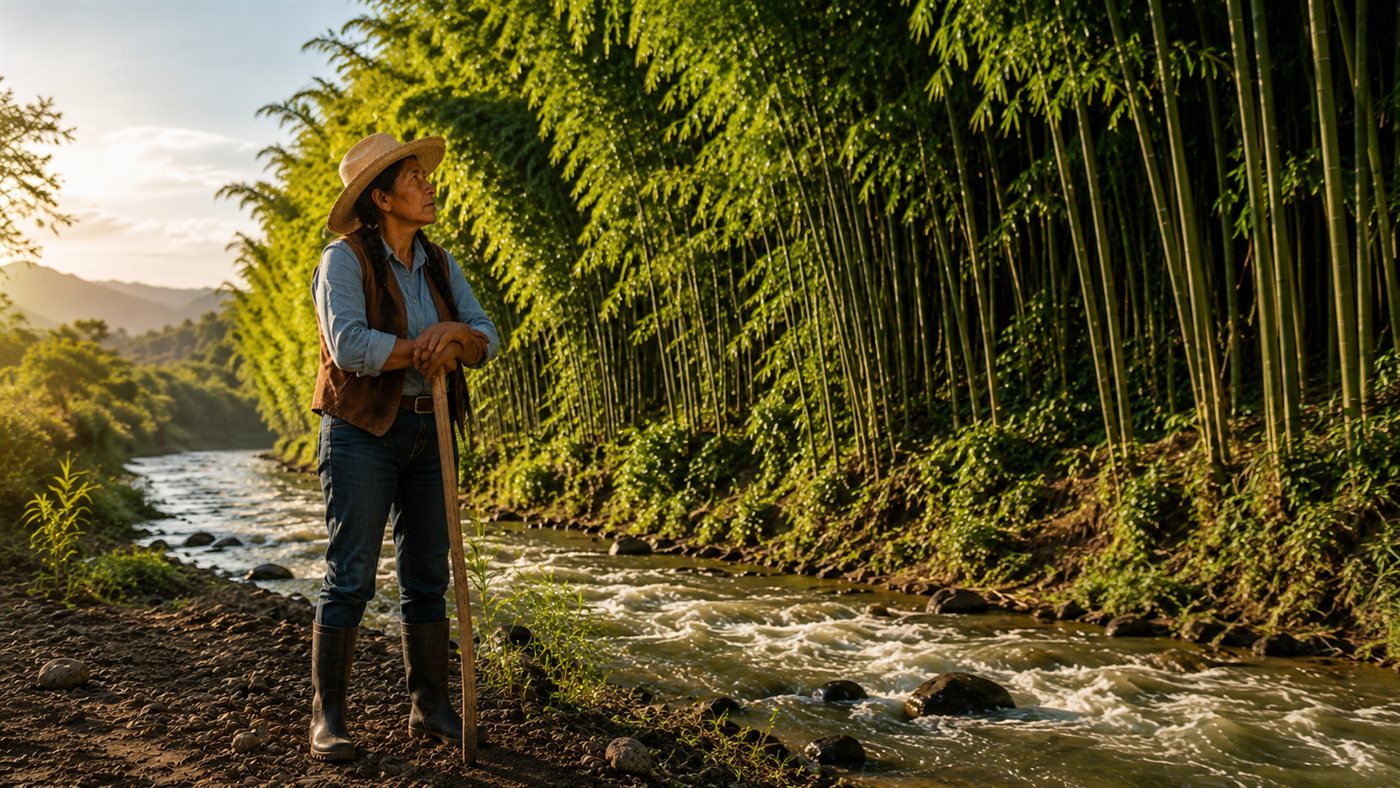
Esperanza’s Bamboo Barrier in Oaxaca Redirects River and Reduces Erosion by 85% in Five Years

-
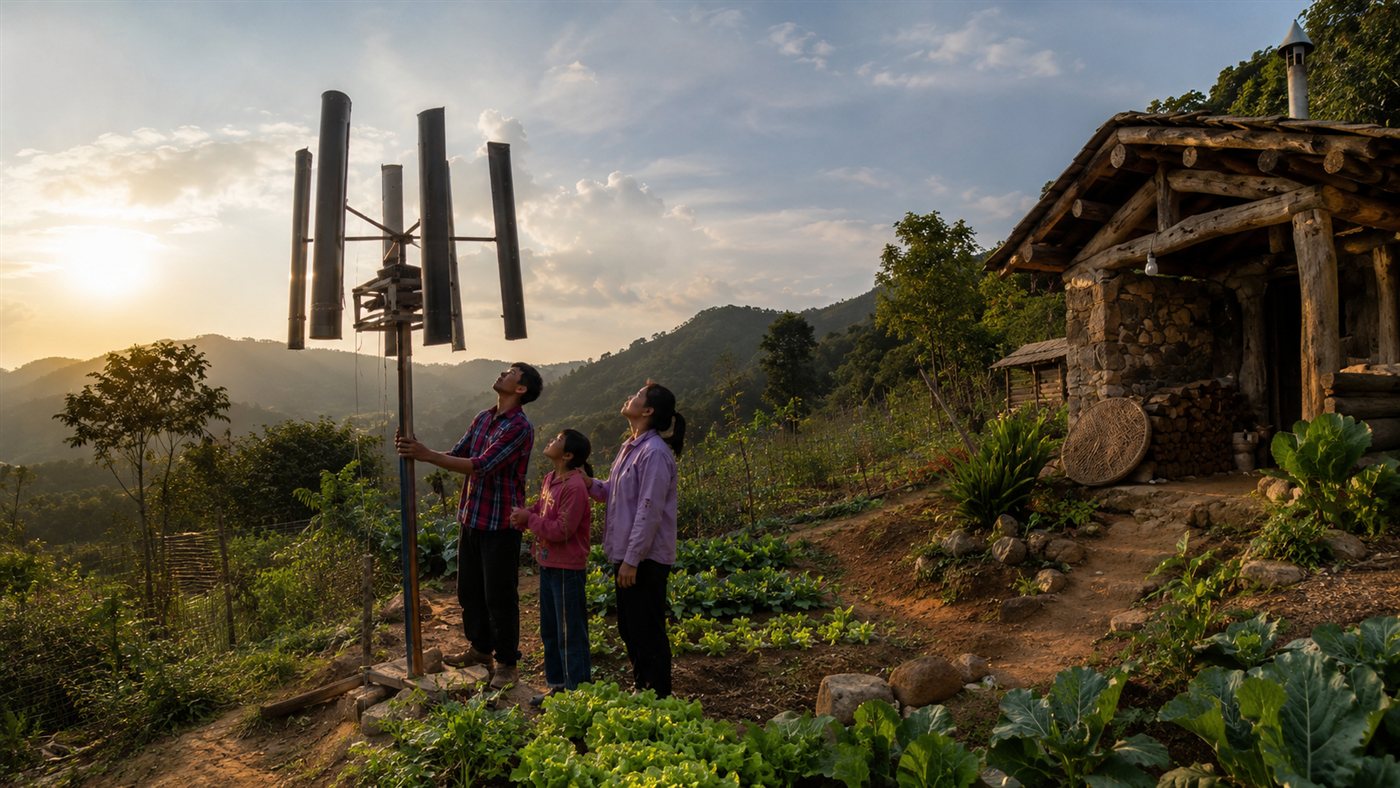
Family Builds Homemade Wind Turbine to Power Off-Grid Home, Video Reaches 555,000 Views on Ngô Thị Huyền’s Channel
-
Indian Brand Creates Sneakers from Recycled PET Bottles and Discarded Tires, Repurposing Over 1 Million Bottles and Raising $4 Million for Expansion

-
Brazilian Innovator Uses 3D-Printed Device to Cool Two Rooms with One Air Conditioner



This type of occurrence draws attention because it mixes visual impact with rare behavior of nature. Even when there is already a scientific explanation for some of these events, the fascination remains, as they reveal how factors such as climate, topography, ice, gases, minerals, and microorganisms can create almost surreal scenarios.
The frozen bubbles of Canada that look like flying saucers under the ice

At Abraham Lake in Canada, one of the most curious phenomena appears during the harsh winter. Under the frozen layer of the lake, thousands of white bubbles are stacked on top of each other, forming images that resemble flying saucers or jellyfish trapped in the ice.
The explanation lies in the methane released by the decomposition of plants, leaves, and organic matter at the bottom of the lake. The gas rises slowly, encounters the frozen water, and gets trapped there. The result is a visual spectacle that attracts tourists and photographers from various parts of the world.
The red waterfall of Antarctica that intrigued scientists for years

At Taylor Glacier in Antarctica, an intense red flow running through the white creates one of the most impactful phenomena on the planet. Known as Blood Falls, this formation has intrigued scientists for over a century.
Today, it is known that the coloration does not come from blood or algae. The water flows from an extremely salty and iron-rich subglacial lake. When this material comes into contact with surface oxygen, it takes on a reddish hue. The location still sparks interest by showing that microorganisms can survive in extreme conditions, without light and with little oxygen.
The stones in the United States that seem to move on their own
“`html
At Racetrack Playa, in Death Valley, California, one of the phenomena most famous makes heavy stones appear to slide on their own across the dry ground, leaving long, winding trails. For decades, the case has fueled various theories and helped build one of the great mysteries of the American natural landscape.
The most recently confirmed answer showed that the movement depends on winter. A thin layer of ice forms on the surface, then breaks, and gentle winds slowly push the stones across the wet ground. Since this displacement is very slow, it is almost never perceived by the naked eye, which helped keep the mystery for so long.
The turquoise lake in Indonesia that hides an extreme environment

At the top of the Kawah Ijen volcano in Indonesia, a turquoise lake draws attention for its almost tranquil appearance. But this is one of the phenomena most dangerous on the list. Despite the vibrant color, it is an extreme environment.
The intense hue is the result of a mixture of sulfur gases released by volcanic activity and metals dissolved in the water. This combination creates an extremely acidic lake, with levels that can be dangerous for humans. In other words, the beauty of the setting hides a real risk.
The pink lake in Australia that continues to fascinate even without total consensus

Lake Hillier in Australia is one of the phenomena most known for its improbable appearance. The water has an intense pink color, and the hue remains visible even when it is taken from the lake, which makes the case even more impressive.
Researchers believe that the color is linked to the presence of microorganisms, algae, and high salt concentration. Still, the base text highlights that there is no absolute consensus on the exact origin of the phenomenon. This helps keep the location surrounded by scientific curiosity and visual interest.
The almost permanent lightning in Venezuela that lights up the sky for hours

At the mouth of the Catatumbo River in Venezuela, one of the phenomena most impressive occurs in the form of frequent electrical storms. During certain periods, lightning illuminates the sky for hours on end and for several consecutive nights.
This behavior is explained by the combination of mountainous terrain, tropical climate, and air currents, which create ideal conditions for constant storms. The result is a scene of great impact, making the sky seem permanently active.
“`What these phenomena show about the Earth
These cases reinforce a simple and powerful idea: even with the advancement of technology and research, the Earth still holds landscapes and processes capable of surprising. The phenomena gathered in different parts of the planet show that nature continues to produce rare, counterintuitive, and visually stunning scenarios.
More than just visual curiosities, they also help science understand extreme environments, interactions between natural elements, and the limits of life in harsh conditions. In some cases, what is learned in these places can even broaden our perspective on other worlds.
Why scenarios like this continue to attract so much attention worldwide
The fascination with these phenomena arises from the mix of beauty, strangeness, and scientific explanation. They seem unreal at first glance, but they exist in concrete locations and are the result of very specific natural processes. This transforms each of them into a meeting point between tourism, research, and human curiosity.
When a lake turns pink, a waterfall seems to bleed, stones move on their own, or lightning dominates the sky for hours, the planet shows that it can still escape the predictable. And it is precisely this that keeps these scenarios at the center of interest for researchers and the public.
Which of these most improbable natural phenomena surprised you the most?