Portuguese
  Spanish


Career change, homemade food, and digital presence explain how Ana Maria de Arruda Oliveira left the beauty salon to build, with family support, a delivery operation in Fortaleza that reaches thousands of monthly orders and six-figure revenue.
Ana Maria de Arruda Oliveira, 54 years old, left the beauty salon to bet on lunchbox delivery after the decline in the former business’s activity and transformed a production started with R$ 100 into a high-volume family operation in Fortaleza, Ceará.
In the São Bento neighborhood, the entrepreneur started by preparing ten feijoada lunchboxes in her home kitchen, after receiving from her husband the amount used to buy the first ingredients and test if there was demand among neighbors in the area.
The response came quickly, as the first kits were sold without difficulty and showed that the idea could surpass a one-off income attempt, paving the way for the creation of Comidas Caseiras da Ana.
-
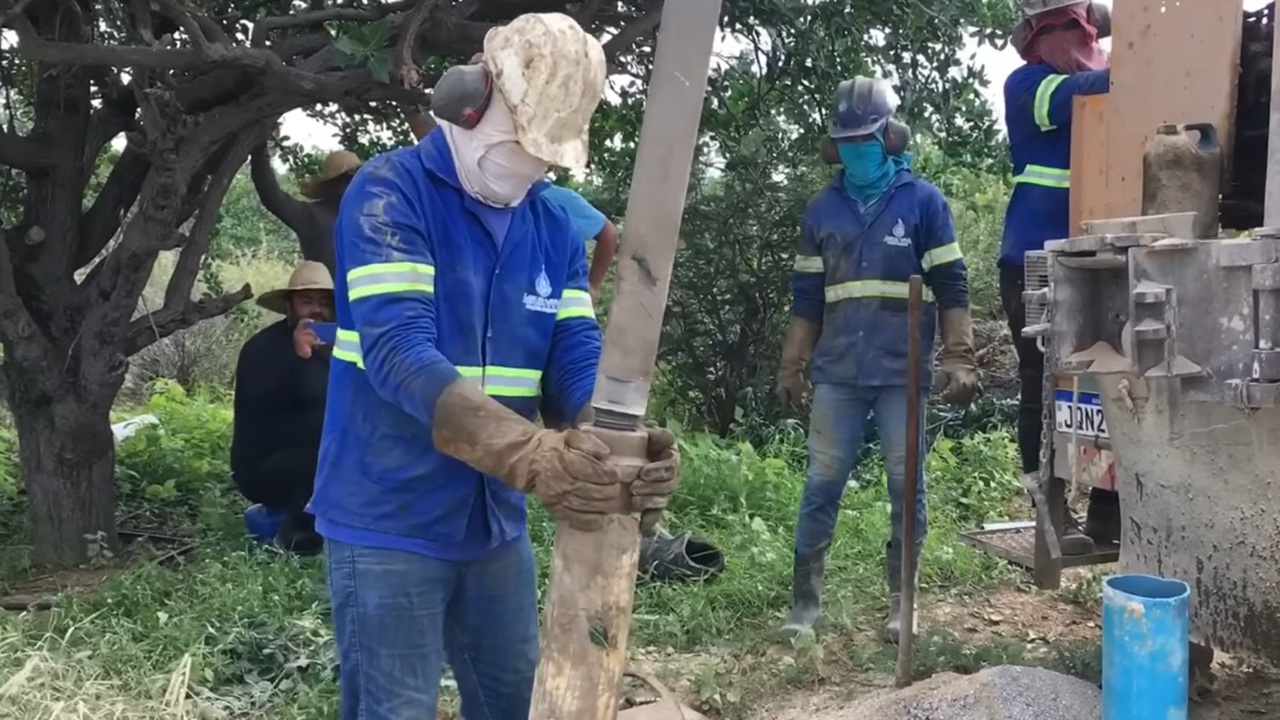
Drilling a Well? These 5 Locations in Brazil Could Turn Your Water Dream into a Costly Mistake

-
90 Years Before Disney, an “Original Moana” Made History in Cinema by Depicting Life in Samoa and Shaping the Documentary Genre

-
Study in Barcelona Reveals Giraffes Can Add Quantities and Memorize Changes, Surprising Scientists
-
After Losing 16-Year-Old Son in Accident Caused by Pothole, Merchant Takes Action by Mapping Road Defects and Filling Around 1,500 Potholes in Mumbai Area



Less than three years later, the company began to record about 7,000 deliveries per month and an estimated monthly revenue between R$ 140,000 and R$ 170,000, according to information published by Portal 6 and TudoGostoso.
Career change started at home
In 2023, after realizing that the beauty salon no longer attracted the same volume of clients, Ana Maria began to look for a work alternative that could take advantage of a skill already part of the family routine.
The decision gained strength after a bad experience with a feijoada bought on the street, an episode that led the former hairdresser to see an opportunity to sell homemade meals with more care in preparation and service.
As she was already used to cooking for family gatherings, she closed the salon maintained at home and reorganized the domestic space to start the lunchbox business that would later become Comidas Caseiras da Ana.
In the first weekends, the production ceased to be a small experiment and reached more than 40 daily orders, a volume that confirmed the existence of local demand and encouraged the family to better structure the operation.
Digital service became part of the strategy
To organize growth, Francisco Guilherme de Oliveira Damasceno, son of the founder, began to work directly in the business and used his sales experience to observe local competitors, identify service flaws, and adjust digital channels.
With this more commercial perspective, communication with customers was mainly concentrated on WhatsApp, where quick responses and a standardized approach helped make orders clearer, reduce misunderstandings, and encourage repeat purchases.
As the meal delivery service gained scale, social media stopped functioning merely as a showcase for dishes and began to play a central role in attracting customers, especially with Ana Maria herself appearing in the posts.
On Instagram, the brand began to show the kitchen routine, the prepared foods, and the image of the founder, a combination that brought the business closer to the public and helped strengthen the identification with homemade food.
Damasceno stated, in an interview with Pequenas Empresas & Grandes Negócios cited by TudoGostoso, that the constant production of content reduces the cost of customer acquisition, especially when the consumer arrives through organic social media.
Delivery concentrates the growth of the meal delivery service
Even after acquiring a physical space for the kitchen, the company maintained delivery as the main focus of the business, without prioritizing the opening of a large dining area for on-site consumption or a robust in-person operation.
With the strategy focused on deliveries, the family seeks to expand production capacity, handle more orders, and maintain a structure adjusted to a model that requires speed, organization, and constant control of the preparation flow.
The operation includes 11 professionals, including a person dedicated to managing social media, in addition to using platforms like iFood and 99Food to complement distribution and meet customer demand.
On the menu, dishes with strong everyday appeal sustain a good part of sales, among them chicken breast fillet with rice and French fries and the “Mistão,” a preparation that combines chicken, pork, and sausage.
On weekends, feijoada and regional stew remain among the company’s main products, reinforcing the brand’s identity around popular meals, homemade food, and service focused on delivery consumption.
Expansion aims for more production and scale
For the coming years, the family’s plans remain focused on increasing the scale of delivery, with the goal of moving to a larger space, improving kitchen flow, hiring more employees, and increasing the volume of deliveries.
Ana Maria’s journey shows how an operation created at home came to rely on three combined pillars: product with local demand, organized service, and frequent promotion on social media.
With this foundation, the home kitchen transformed into a family business with six-figure revenue, supported by homemade food, digital strategy, and a focus on a more efficient delivery operation.