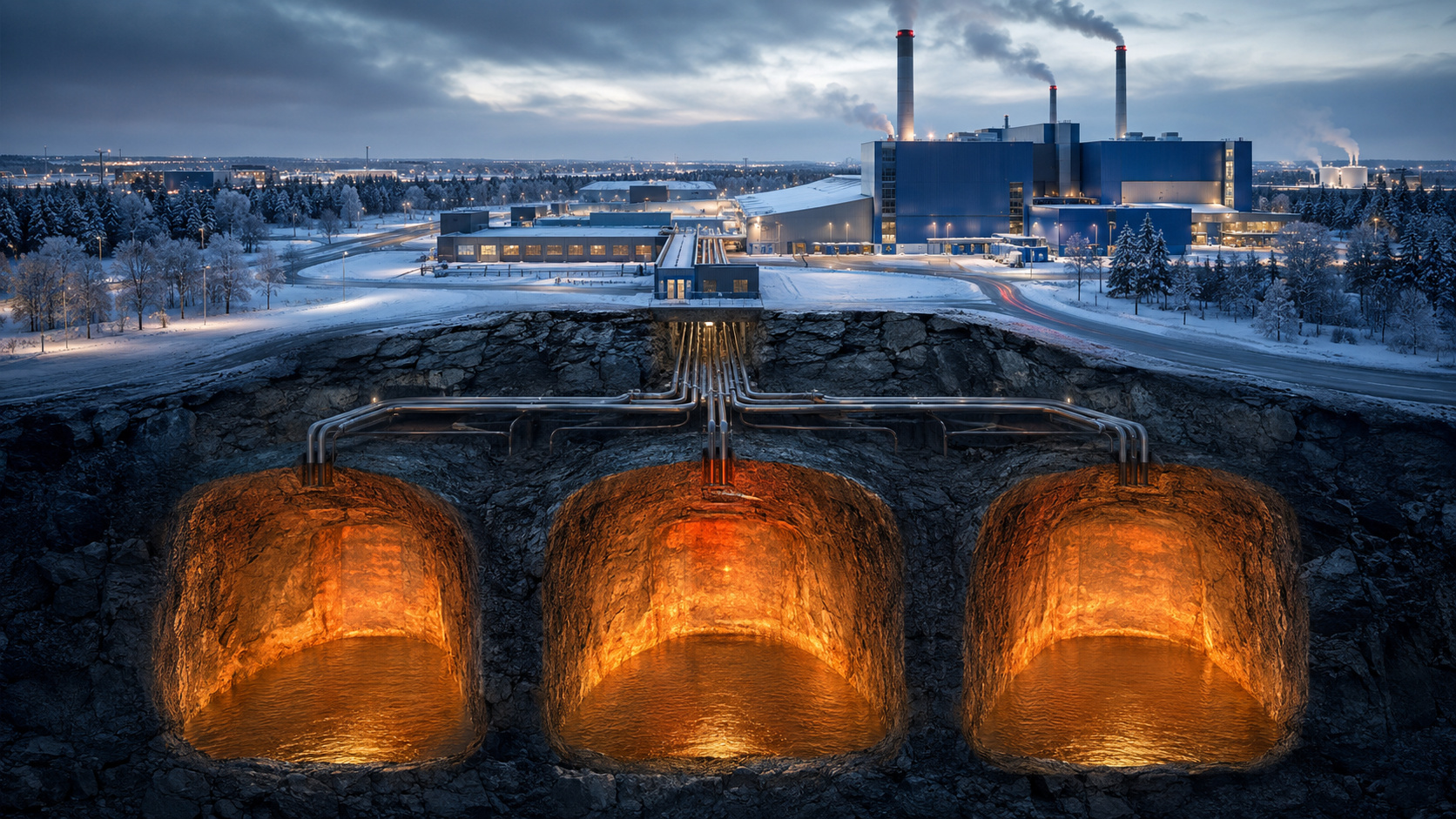
Expected for almost a century, the project will sink giant concrete modules in the port channel and retire the ferry that still separates the two cities
Brazil’s first immersed tunnel has finally come off the drawing board and promises to end one of the longest waits in national engineering. The fixed link between Santos and Guarujá, on the coast of São Paulo, will use unprecedented technology in the country to cut a crossing that currently depends on a ferry and can take almost an hour.
The immersed tunnel will be 1.5 kilometers long, with 870 meters submerged under the port channel, and is budgeted at around R$ 6 billion. When completed, the passage between the two cities will be reduced to a few minutes, compared to the current average of 18 minutes by ferry, transforming mobility throughout the Baixada Santista.
A wait of almost 100 years
The dry connection between Santos and Guarujá is a long-standing dream of the region. According to Metrópoles, the project has been awaited for about 100 years, spanning generations of residents who depend on water to cross from one side to the other.
-
British Asphalt May Soften in 40°C Heatwaves, While Indian Roads Withstand Harsh Heat with Tougher Materials, Highlighting Engineering Challenges Amid Climate Change

-
World’s Tallest Bridge Opens in China, Cutting Travel Time from 2 Hours to 2 Minutes

-
Proper Cement Mix Extends Plaster Durability, Prevents Early Detachment, and Reduces Home Structural Risks

-
Brazilian Researchers Develop Plant Fiber Cement Absorbing 100 kg of CO2 per Cubic Meter, Aiming for Low-Carbon Construction



Today, those who need to go from one city to another face the ferry or a huge detour by land. By road, it can take up to an hour to cover about 40 kilometers, according to the federal government. The short crossing on the map becomes a daily ordeal, and it is precisely this historical bottleneck that the tunnel aims to permanently resolve.
How an immersed tunnel works
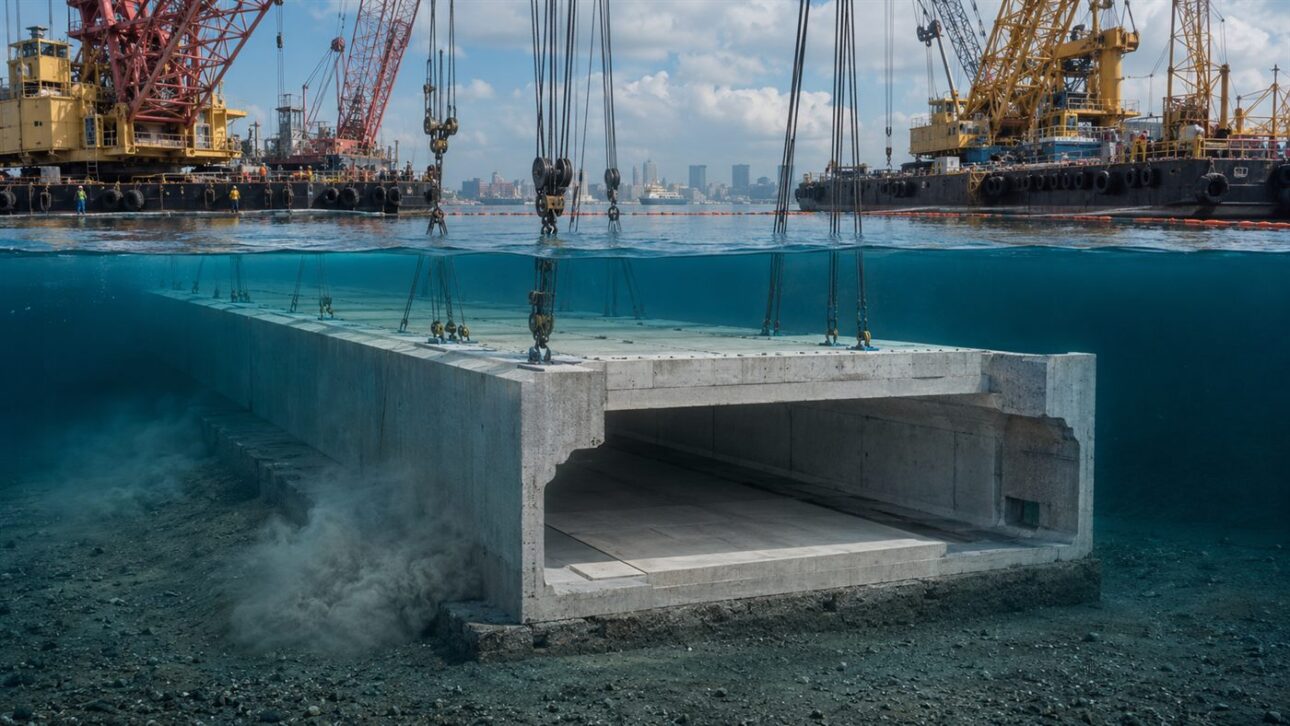
The big innovation lies in the construction method, unprecedented in Brazil. Instead of digging under the bed, the immersed tunnel is assembled with precast concrete modules, built in dry docks and transported floating to the site.
Once positioned, these giant modules are sunk with precision and fitted to the bottom of the channel, protected by layers of sand and stones. According to the Casa Civil, the technique is the same used in the Fehmarnbelt tunnel, which connects Germany and Denmark and is considered the largest infrastructure project underway in Europe. Brazil thus joins the club of the few countries that master this type of crossing.
1.5 km long and 870 meters underwater
The numbers give the dimension of the project. According to the Civil House, the tunnel will have 1.5 kilometers in total, with 870 meters effectively submerged under the navigation channel of the port of Santos, the busiest in Latin America.
Building a crossing right under a fully operational port channel is a challenge in itself, because ships cannot stop. Hence the choice of the immersed model, which allows preparing the modules on land and simply sinking them into the final position. It is engineering designed not to disrupt the port while the work progresses, a detail that weighed in the choice of technology.
From the 18-minute ferry to the 2-minute crossing
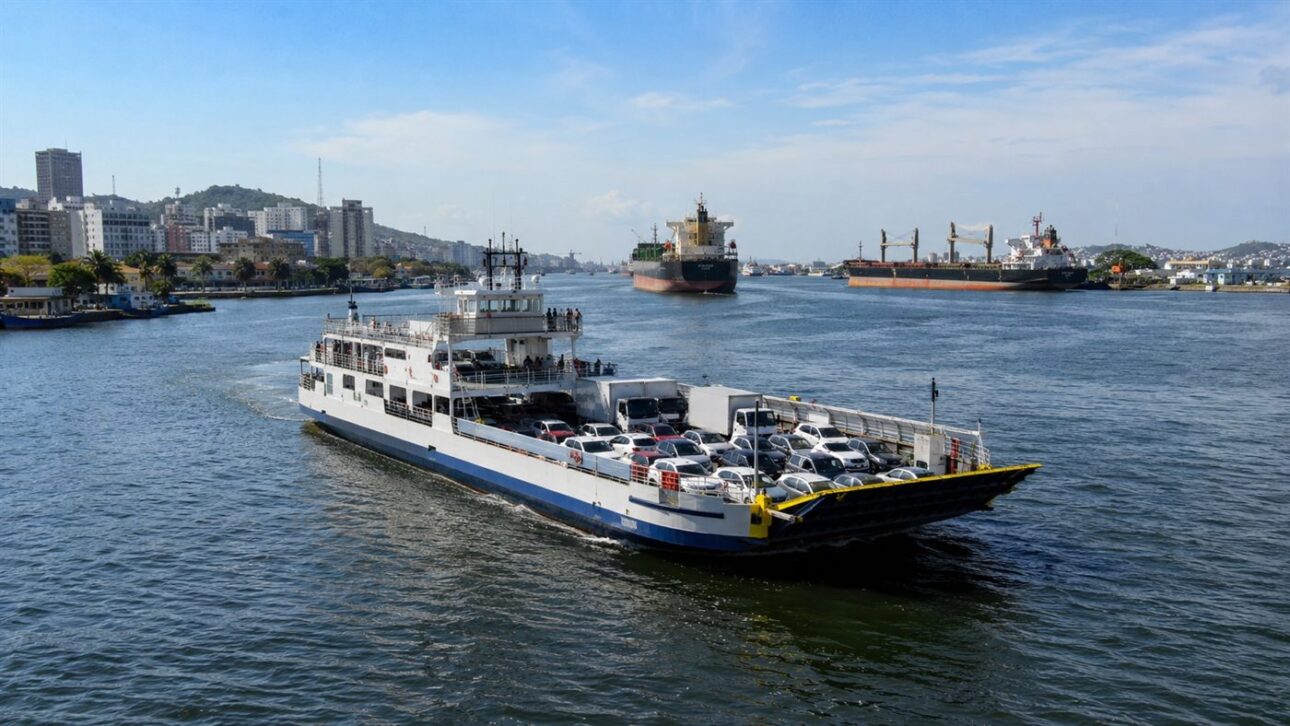
The time saving is what most changes the lives of those living in the region. According to the Civil House, the crossing through the tunnel should drop to about 2 minutes, compared to the 18-minute average of the ferry, which still faces queues and stops for the passage of ships.
Metrópoles reports that, on bad days, the ferry can take 50 minutes or more due to weather and vessel traffic. Replacing this with a quick and predictable passage is a huge leap in productivity. The ferry crossing, which has organized the routine of the Baixada Santista for decades, has its days numbered.
R$ 6 billion and one of the largest projects of the New PAC
The financial scale matches the ambition. The Civil House points to an estimated investment of R$ 6 billion, classifying the project as one of the largest in the New PAC portfolio funded by the General Budget of the Union.
The chosen model is a public-private partnership, with participation from federal and state governments and the private sector, in a 30-year contract. Metrópoles also mentions a bid of R$ 6.8 billion in the auction held in September 2025. Sharing the cost and risk between the State and the private sector is what makes a project of this size feasible, without stalling the public budget in a single stroke.
A project for more than 36 thousand people per day
The demand justifies the billion-dollar investment. The Civil House estimates that the tunnel should serve more than 36 thousand users per day, including those crossing for work, study, or leisure between the two cities.
It’s not just about cars. The project reserves space for six traffic lanes, a bike path, a pedestrian walkway, and even a lane for a future Light Rail Vehicle, the LRV. Planning infrastructure with public transport and active mobility in mind is what differentiates a modern project from a simple road connection.
Who will build it and when it will be ready
The execution was awarded to a major name in the sector. According to Metrópoles, the September 2025 auction was won by the construction company Mota-Engil, from Portugal, which takes on the mission of delivering pioneering work in Brazil.
The timeline is long, as is typical for a project of this scale. The expectation is that the immersion and assembly phase of the modules will occur around 2029, with completion expected by the end of 2031, when commercial operation should begin. Between the 100-year dream and the inauguration, there are still a few years of construction left, but for the first time, there is a contract, funding, and a date.
Why the immersed tunnel could become a model in Brazil
The impact goes beyond the Baixada Santista. Being the first of its kind in the country, the immersed tunnel in Santos could serve as a learning experience for future crossings in coastal regions, where bridges are not always viable due to navigation.
If the project succeeds, Brazil will have a new engineering tool to overcome channels, bays, and wide rivers without disrupting ship traffic. Mastering the technology in one project opens the door to many others, which is why the project is being watched far beyond São Paulo.
A century of waiting near the end
The first immersed tunnel in Brazil combines everything that a major infrastructure project needs to be exciting: unprecedented technology, large numbers, direct impact on people’s lives, and the end of a century-long wait. Now it’s about sticking to the schedule and proving that the country can deliver.
The question that every long project leaves in the air remains: will the tunnel really be ready by 2031 and retire the ferry once and for all? Would you trade the ferry crossing for a tunnel that goes under the ships of the largest port in Latin America?