






 Portuguese
  Spanish


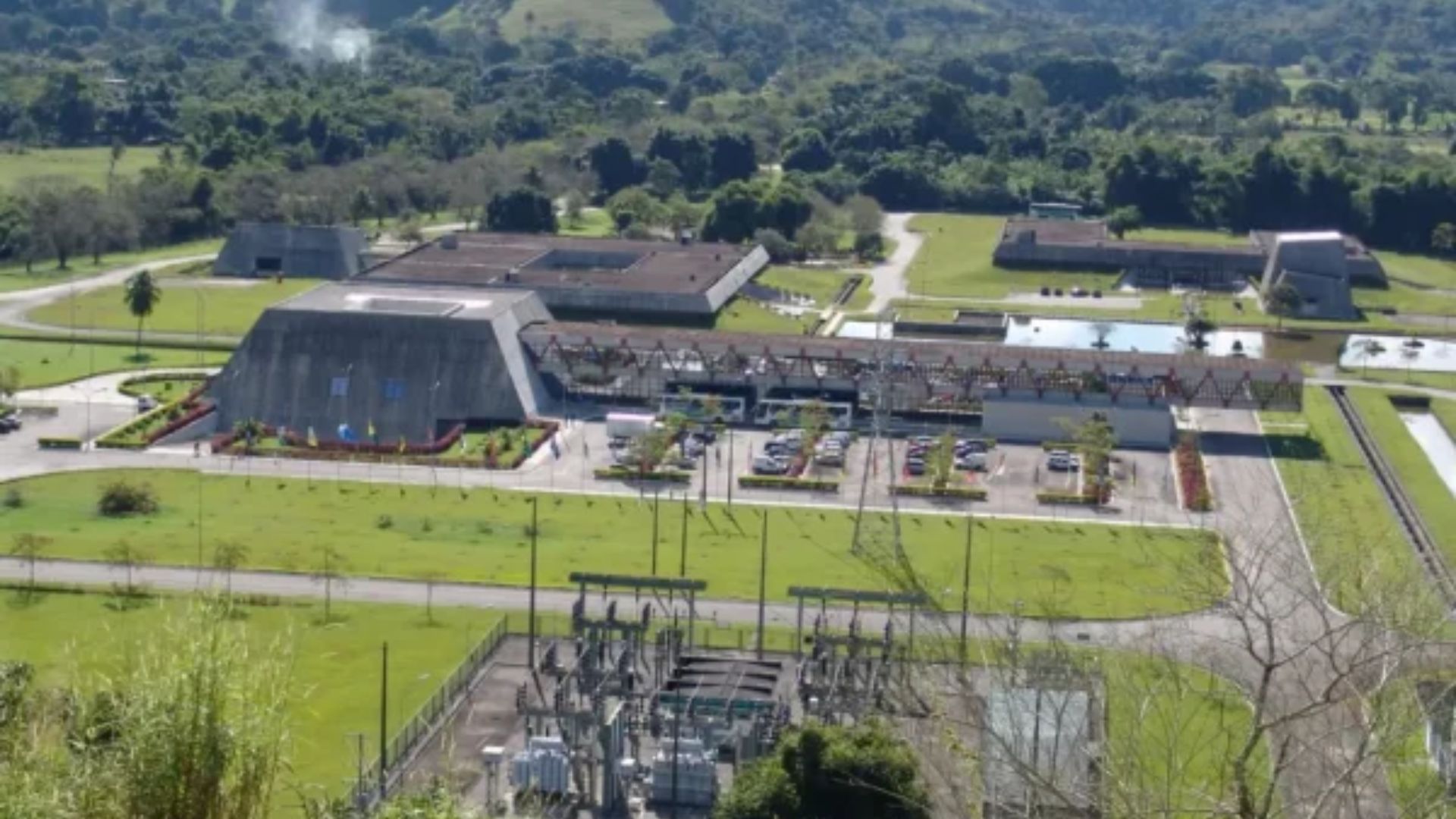


Unique project at the Inmetro technology park bets on integration of energy sources to accelerate decarbonization without compromising industrial efficiency and transport systems
The global race for decarbonization has gained a new chapter in Brazil — and it begins in Rio de Janeiro. In a scenario where about 80% of the world’s energy still depends on fossil fuels, such as oil, gas, and coal, while only 15% comes from renewable sources, an initiative emerges that promises to shorten this gap in a practical and innovative way.
This information was disclosed by the site “The Conversation”, based on data from the project developed by PUC-Rio, which will inaugurate its Hybrid Pilot Power Generation Plant on April 28, located in the Inmetro technology park, in Xerém, in the municipality of Duque de Caxias.
Unlike a conventional power plant, this structure was conceived as a true living laboratory. That is, more than just generating electricity, the goal is to simulate, in real time, how major sectors of the economy — such as industry and transport — can reduce emissions without losing energy performance.
-
Canada Sinks Six Giant Balloons in Lake Ontario to Test Underwater Battery That Stores Compressed Air 60 Meters Deep

-
Astronauts Returning from Space Develop Early Cataracts Due to Eye Lens Radiation, Highlighting Risks for Future Mars Missions

-
Brastemp Unveils New Dishwasher with Smart Sensor, 14 Place Settings, Acquaspray Jet, 70°C Rinse, Water Efficiency, and Intelligent Drying
-
Antarctic Sea Creature Yields Promising Compound Against Melanoma, Captivating U.S. Researchers



Hybrid plant combines solar energy, gas and diesel engines, batteries, and hydrogen in a single integrated system
The great differential of the project lies in its ability to integrate multiple technologies in a single operational environment. Funded by Faperj and Galp, the plant operates as a highly flexible energy “hub,” bringing together different sources of generation and storage.
Among the main components, the following stand out:
- Photovoltaic solar energy, with and without solar tracking systems
- Combustion engines, powered by natural gas and diesel
- Storage systems, with high-performance battery banks
- Green hydrogen, used in both engines and fuel cells
Furthermore, the proposal is not to completely replace fossil fuels immediately. On the contrary, the strategy is to combine them with clean sources, creating a hybrid model capable of gradually and efficiently reducing emissions.
Another crucial point is the presence of an advanced load bank, which allows for the simulation of real energy demands — including the so-called ultra-fast transients, which are spikes in consumption that occur in milliseconds. This technology makes it possible to test scenarios extremely close to operational reality.
Tests with offshore ships and heavy transport show how to reduce diesel use in practice
The plant will not be limited to theoretical simulations. In practice, it will be used to reproduce real energy consumption conditions in strategic sectors. One of the first major tests will focus on offshore oil support vessels.
Using real data collected at sea, researchers will evaluate how these ships can significantly reduce diesel consumption by incorporating batteries and hydrogen into their systems. In this way, highly polluting vessels can be transformed into low-emission hybrid models.
Additionally, the structure will also be used to simulate demands from locomotives, logistics fleets, and industrial systems, expanding the scope of research and enabling direct applications in the market.
Green hydrogen emerges as a key piece to reduce emissions and ensure energy efficiency
Another important highlight of the project is the central role of hydrogen. The plant envisions the local production of this fuel, using the energy generated within the system itself.
This hydrogen will later be injected into gas and diesel generators, aiming to optimize combustion and drastically reduce pollutant emissions. According to the project coordinators, hydrogen is expected to become one of the main vectors of the global energy transition.
In this sense, the strategy of producing, storing, and using hydrogen within the plant itself creates an efficient and sustainable cycle, as well as functioning as a kind of strategic energy reserve.
Project can boost Rio’s economy and attract investments in energy innovation
In addition to technological advancements, the hybrid plant also brings relevant economic impacts. By identifying solutions capable of reducing operational costs and increasing energy efficiency, the project can directly benefit various sectors of the economy.
Among them:
- Logistics and transportation, with tests on locomotives and large fleets
- Industry and agriculture, with decentralized generation models
- Regional innovation, attracting new investments and technological partnerships
Consequently, Rio de Janeiro can establish itself as one of the main hubs for applied research in energy transition in Brazil.
Next steps include intensive testing and technological expansion of the plant
After the official inauguration on April 28, the plant will enter a phase of intensive testing. During this period, an advanced supervisory system will monitor, in real-time, data such as energy consumption, operational efficiency, and emission levels.
Subsequently, the second phase of the project plans to acquire even more modern equipment, especially aimed at hydrogen combustion, which should further enhance the research capacity of the unit.
As a result, the expectation is that the plant will not only generate knowledge but also help define the most viable paths for the energy transition in Brazil and the world.


