Portuguese
  Spanish


Hellmann’s, Knorr, French’s, and Cholula now share the same house in a deal that values Unilever’s food division at $44.8 billion and creates a company with about $20 billion in annual revenue.
Hellmann’s mayonnaise and Knorr broths have just entered a new global game. McCormick and Unilever announced on March 31, 2026, the combination of Unilever’s food division with the owner of the famous red cap seasonings, in a transaction that reshapes the map of traditional ready-to-eat food brands, sauces, condiments, and seasonings.
The size of the move explains the noise. The deal values $44.8 billion for Unilever’s food business, while the combined group approaches $66 billion in enterprise value, according to financial reports at the time of the announcement.
Together, the companies say they will have about $20 billion in revenue based on the fiscal year 2025.
-
Brazil’s July Bolsa Família Payments May Include Extra $150 and $50 for Families with Children, Pregnant Women, and Updated CadÚnico Registration

-
Brazilian Woman Buys €1 House in Sicily, Clears 50 Truckloads of Debris, and Transforms Ancient Ruin into Inspiring Life Project by 2026

-
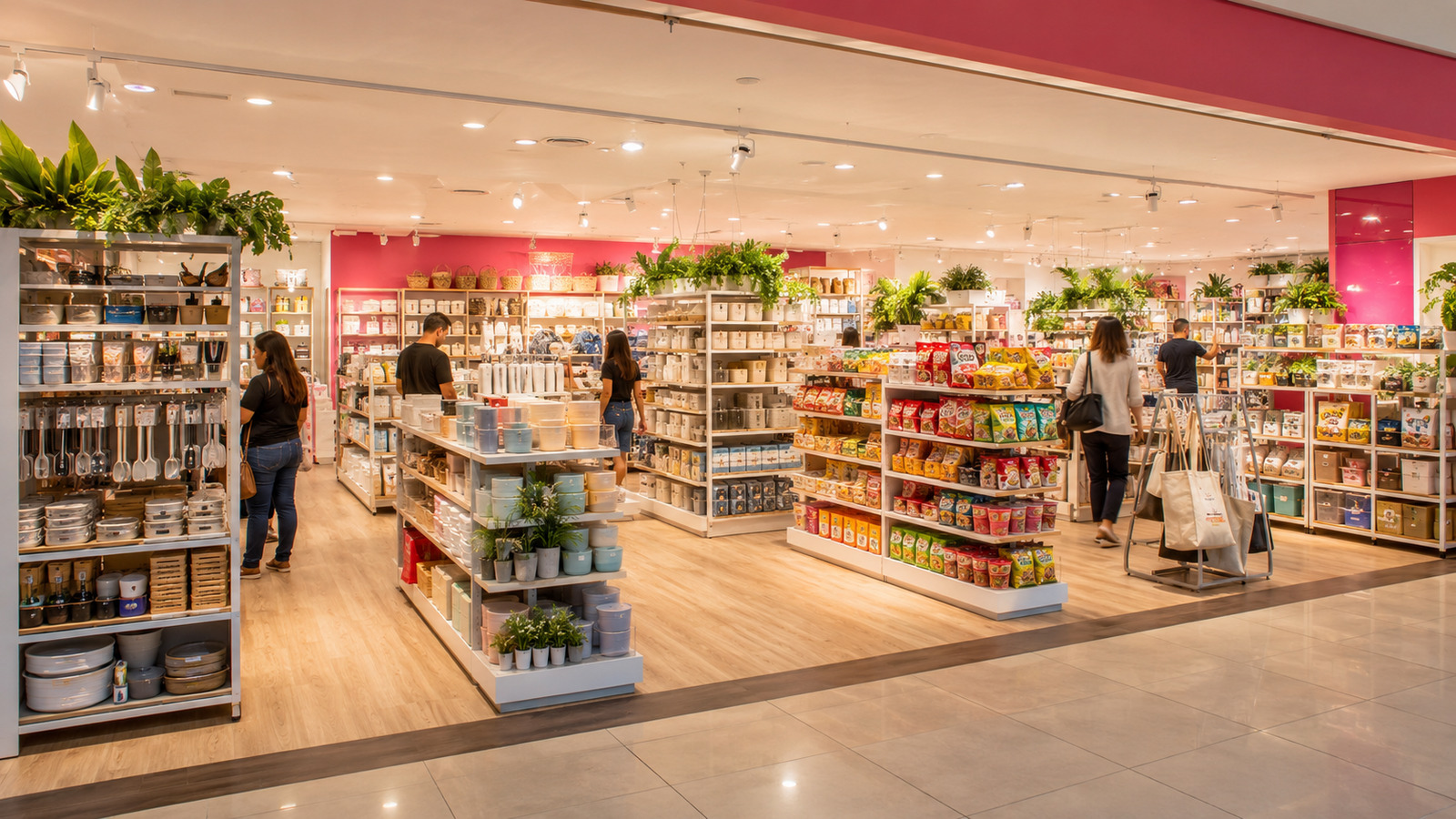
Havan Competitor Expands in Brazil with 170 Stores, Offering Everything from Stationery to Asian Food and Focusing on Affordable Products to Attract Shoppers

-
Norway’s $2 Trillion Dilemma: How Oil Revenue Created a Massive Savings Fund with Too Much Money to Spend



Hellmann’s, Knorr, and McCormick are now under the same roof
In practice, the new company will continue under the name McCormick, will maintain the leadership of the American company, and will have its global headquarters in Hunt Valley, United States, as well as an international base in the Netherlands.
The detail that changes the game is another: Unilever and its shareholders will hold 65% of the combined company, while McCormick shareholders will have 35%. Unilever will also receive $15.7 billion in cash.
This transforms McCormick completely. The company, which was already strong in herbs, spices, mustards, sauces, and peppers, will now share its portfolio with globally recognized brands such as Hellmann’s, Knorr, Maille, and Pot Noodle.
At the same time, Unilever retains the largest economic share of the business without continuing to carry the food division within the old structure.
The deal exposes the pressure on traditional brands
The move does not arise in a comfortable market. The Associated Press highlighted that large packaged food companies have been struggling with inflation, changing consumer tastes, migration to private-label supermarket brands, and the search for less processed foods.
Unilever itself saw sales from its food division drop 3% last year, while McCormick grew 2%.
That’s why this deal carries so much weight. Instead of insisting alone on a more pressured segment, Unilever chose to accelerate its exit from the supermarket center and reinforce its focus on beauty, personal care, and home products.
The group had already divested or separated businesses in spreads, tea, and ice cream, and now pushes another historic piece of the portfolio out of the main structure.
For McCormick, the leap is giant
For McCormick, the operation opens a pathway that goes far beyond the spice aisle. The company gains scale in sauces, mayonnaise, broths, and foodservice, expands its presence in Latin America and Asia, and inherits a more robust structure to invest in distribution, innovation, and brand building.
The companies also project US$ 600 million in annual synergies by the third year after the closing.
McCormick’s discourse tries to capture precisely the point that remains most resistant within the industry’s crisis: flavor.
In interviews and statements, the company has been repeating that spices, sauces, and seasonings continue to be more resilient because they resonate with a consumer who wants to cook at home, spend better, and still seek stronger flavor experiences.
A recent report from the Wall Street Journal pointed out that, even with pressure in the core of the supermarket, herbs, spices, and seasonings continue to show strength.
The size of the market helps explain the race
The urgency also has global scale behind it. The global food and beverage market was estimated at US$ 7.04 trillion in 2025 and is expected to reach US$ 7.41 trillion in 2026, according to The Business Research Company.
In an industry of this size, staying relevant without scale, distribution, and brand has become a much more difficult task.
The new giant is born precisely for this: to defend space in a colossal market that no longer forgives slow portfolios, tired brands, and companies that insist on competing the same way they did ten years ago.
Hellmann’s and Knorr are changing homes at a time when the game of industrialized food has become tougher, more expensive, and more competitive. And McCormick has just shown that, in this scenario, growing alone seemed too small.
Comment if you think this merger strengthens or weakens classic brands like Hellmann’s and Knorr — and share this article with those who follow business, retail, and the global consumption war.