Portuguese
  Spanish


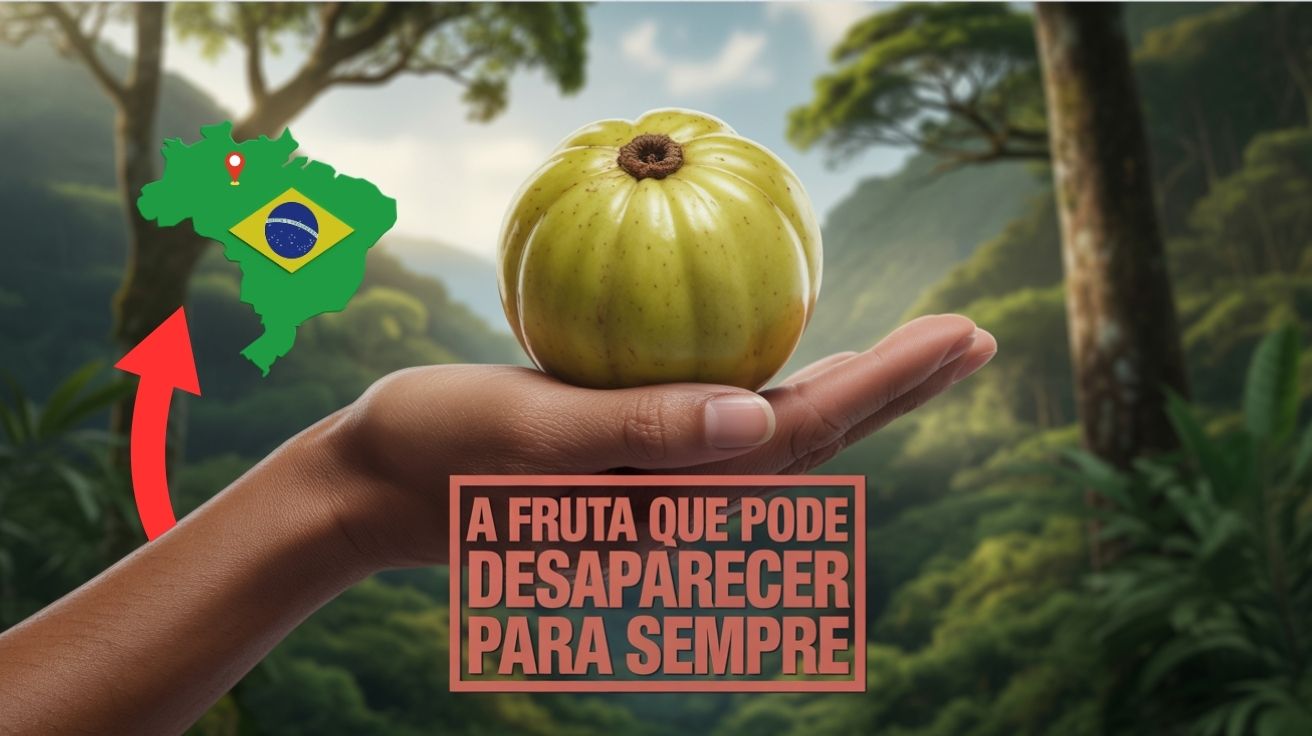


White Jabuticaba Is Considered the Rarest Fruit in Brazil and Is at Risk of Disappearing
The white jabuticaba faces a serious risk of extinction due to its restricted occurrence. Species from the Atlantic Forest, its natural habitat, have suffered from urban and agricultural expansion.
Preservation initiatives seek to ensure the survival of this rare and little-known fruit.
The white jabuticaba, considered the rarest fruit in Brazil, currently faces a real risk of extinction, potentially disappearing in the near future.
-
Cape Verde’s World Cup Surprise: Betting on Electric Cars, a 5 MW Solar Plant, and an Ambitious Plan to Transform Energy for 600,000 Residents

-
Man Finds 1,469 Ancient Roman Silver Coins While Metal Detecting in Romania
-
Young Brazilian Siblings Go Viral for Catching Giant Fish, Launch Sport Fishing Project
-
72-Year-Old Retired Professor from Rural Brazil Recites 247 Digits of Pi in One Minute, Setting National Memory Record


The species, also known by the Tupi-Guarani name ibatinga, which means “white fruit”, is one of the rarities of Brazilian biodiversity and is found only in a few preserved regions of the Atlantic Forest, primarily in the Mantiqueira Mountains, which spans parts of the state of Rio de Janeiro.
Characteristics of White Jabuticaba
Unlike the common jabuticaba, whose skin is purple and flesh dark, the white jabuticaba has a yellowish-green color in both the skin and flesh, even when ripe.
This fruit is recognized for its nutritious composition, containing B-complex vitamins, vitamin C, as well as important minerals like iron, phosphorus, and calcium.
The flavor is described as sweet and slightly acidic, with watery pulp, making it pleasant for raw consumption.
Additionally, the fruit is used in the artisanal production of jams, wines, candies, and ice creams in some communities.
The white jabuticaba also stands out in traditional practices of natural medicine.
Local communities attribute to it therapeutic properties, mainly in the treatment of respiratory diseases such as asthma, due to its action considered beneficial in alleviating these symptoms.
Despite this, popular knowledge has not been sufficient to prevent its occurrence from drastically declining.
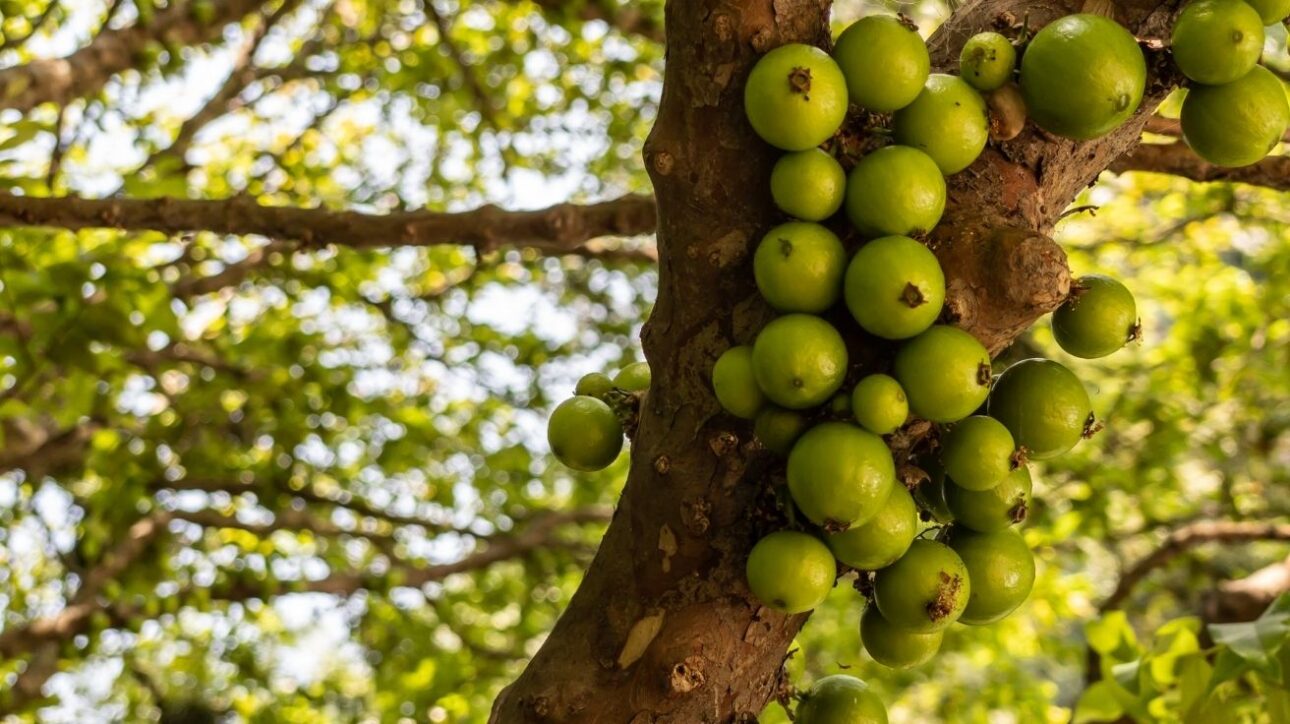
Threat of Extinction and Distribution of the Species
Currently, the white jabuticaba is classified as a rare and endangered species, which raises an alert for the preservation of its habitat and the search for conservation strategies.
Research and historical records indicate that the species is in serious decline.
At the turn of the 21st century, botanists identified only six known wild trees in Brazil, scattered between São Paulo, Rio de Janeiro, and Minas Gerais.
In the state of São Paulo, three of these specimens were found in the municipality of Guararema, located in the Metropolitan Region.
In Rio de Janeiro, another two trees exist in Paraty and Conceição de Macabu, respectively.
In the interior of Minas Gerais, the last known tree was located in Carmo de Minas.
This highly restricted distribution reinforces the fragility of the species and the need for immediate actions for its survival.
Rescue and Cultivation Initiatives
Faced with the imminent risk of disappearance, rescue and reproduction initiatives for the white jabuticaba have gained momentum.
A group of enthusiasts and specialists, led by photographer Silvestre Silva and psychoanalyst Flávio Carvalho Ferraz, managed to cultivate approximately 180 seedlings of the plant in the city of Cambuí, Minas Gerais.
The goal is to distribute these seedlings to botanists, farmers, and collectors, increasing the multiplication of the species and reducing the chance of extinction.
The cultivation of the white jabuticaba requires special care, as its management is delicate and complex.
The reproduction of the plant depends on specific techniques to ensure healthy development, which limits large-scale production outside protected environmental areas.
Furthermore, finding specimens of this fruit requires considerable efforts due to its scarcity and restricted distribution.

Importance of the Atlantic Forest for White Jabuticaba
The natural environment of the white jabuticaba, the Atlantic Forest, is one of the most threatened biomes in Brazil, with a large part of its original vegetation devastated by urban and agricultural expansion.
This further exacerbates the situation of the species, as the loss of habitat is one of the main factors leading to its rarity and possible extinction.
The protection of these areas and the creation of specific reserves are essential measures to ensure the survival of this unique fruit.
Cultural and Ecological Value of White Jabuticaba
The white jabuticaba stands out not only for its rarity but also for its cultural and ecological value.
Its Tupi-Guarani name highlights its historical and symbolic importance for indigenous populations, who have known and used the fruit for centuries.
The rescue of the white jabuticaba can also represent an acknowledgment of Brazilian biodiversity and an incentive for the preservation of the country’s natural heritage.