Portuguese
  Spanish


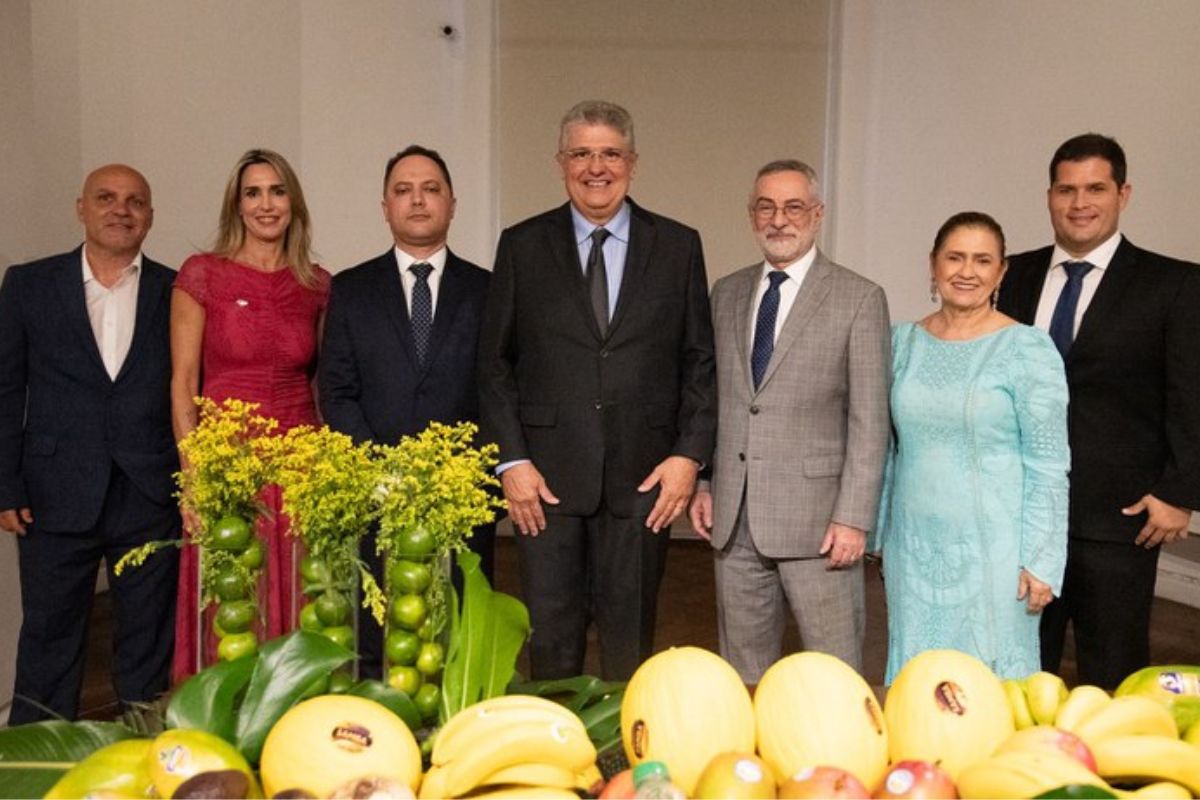

During Event in Buenos Aires, the ‘Frutas do Brasil Festival’ Strengthened Commercial Ties, Promoted Brazilian Tropical Fruits, and Highlighted the Sustainable Potential of National Agribusiness
The ‘Frutas do Brasil Festival’ has established itself as a milestone in the international promotion of Brazilian fruit cultivation. Held on October 22 in Buenos Aires, the meeting brought together about 100 guests and over 20 exporting companies from the sector, according to an article published.
With the aim of strengthening commercial relations and boosting the image of Brazilian sustainable agribusiness, the event brought together national producers and Argentine importers, distributors, and retail representatives, stimulating new business opportunities in Mercosur.
Promoted by the sectoral project Frutas do Brasil, developed by the Brazilian Association of Producers and Exporters of Fruits and Derivatives (Abrafrutas) in partnership with the Brazilian Agency for the Promotion of Exports and Investments (ApexBrasil), the festival was coordinated by the agricultural attaché of Brazil in Argentina, Andrea Parrilla, with support from the Brazilian Embassy in Buenos Aires.
-
India’s Sugar Export Cuts and Ethanol Shift Amid El Niño Threat Could Impact Global Prices and Stocks

-
Quarantine Pest Threatening Palm Trees Puts Brazilian Authorities on Alert, Prompts Monitoring at University of Taubaté and Potential Control Measures Across São Paulo
-
Global Alert: Report Finds 159 Pesticides in Coffee Beans Sold in Europe, Posing Serious Risks to Millions of Farm Workers
-
Low-Demand Brazilian Beef Offal Gains Popularity Abroad: Indonesia Purchases $19.5 Million, Boosting Revenue and Reducing Waste



The initiative also included Brazilian companies from the segments of sparkling wines and coconut water, enhancing the perceived value of the national production chain.
Commercial Partnerships and Growth of Brazilian Fruit Exports
Among the main results of the event is the strengthening of commercial partnerships in the tropical fruit sector.
The program included tastings, business rounds, and portfolio presentations that highlighted the quality, diversity, and sustainability of Brazilian products.
Fruits such as mango, banana, melon, avocado, lemon, and papaya were among the protagonists, alongside higher added-value products like sparkling wines and coconut water.
According to official data, Argentina imported over US$ 1.51 billion in products from Brazilian agribusiness in 2024, with US$ 45 million just in fruits.
This performance reinforces the role of the neighboring country as one of the main destinations for national production and highlights the success of integrated promotional actions like the ‘Frutas do Brasil Festival’.
Export of Tropical Fruits and Sustainable Expansion of Agribusiness
The increase in the export of Brazilian tropical fruits demonstrates the progress of a strategy based on diversification and sustainability.
From January to September of this year, fruit exports from Brazil grew by about 10% in value compared to the same period of 2024.
This expansion is the result of coordinated efforts between producers, commercial promotion bodies, and the Ministry of Agriculture and Livestock (Mapa), which operates through its network of Agricultural Attachés.
These professionals play a vital role in facilitating sanitary and phytosanitary negotiations, consolidating international agreements, and opening new markets for Brazilian products.
A recent example was the opening of the Malaysian market for Brazilian melon and apple, raising to 24 the number of new commercial opportunities conquered by the current administration.
Market Opportunities and Appreciation of Brazilian Fruit Cultivation
The market opportunities for sustainable agribusiness multiply from initiatives like the ‘Frutas do Brasil Festival’, which combines commercial promotion and appreciation of national production.
Besides generating immediate business, the event strengthens Brazil’s image as a benchmark in quality and innovation in the tropical fruit segment.
By bringing exporters closer to Argentine buyers and showcasing the potential of Brazilian fruit cultivation, the action reinforces the importance of bilateral trade and boosts the country’s presence in major international markets, maintaining a focus on responsible and sustainable productive practices.
The ‘Frutas do Brasil Festival’ symbolizes, therefore, Brazil’s commitment to the ethical, sustainable, and competitive expansion of its agribusiness on the global stage.