





 Portuguese
  English
  Spanish
  3 min of reading
  0 comments


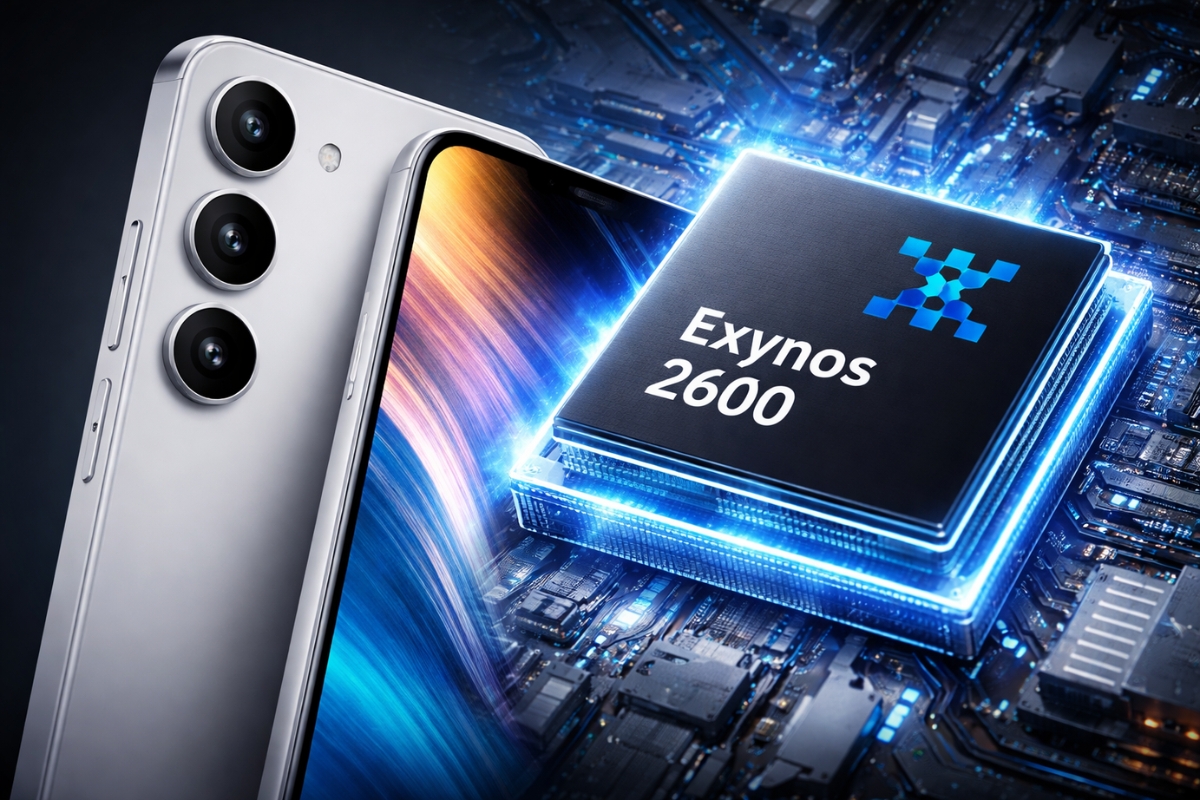
Samsung Introduced the Exynos 2600 2nm in the Galaxy S26, Elevating Processing Power and Pressuring the Global Contest for Efficiency and Computational Power
A little-discussed move positioned the Exynos 2600 as the centerpiece of the Galaxy S26. The new processor emerged in performance tests and revealed a clear shift in Samsung’s strategy for its flagship line.
The focus is not only on isolated numbers. The new CPU shows a 39% jump over the previous generation, indicating a bet on sustained performance and better thermal control during prolonged use.
2nm Technology Redefines the Heart of the Chip
The Exynos 2600 is manufactured with 2nm GAA lithography, one of the most advanced ever applied in mobile chips. This technology allows for more transistors to fit in less space, increasing computational capacity.
-
For the first time in history, a submarine cable will descend to four thousand meters deep under the ice of the North Pole to ensure that the internet between Europe and Asia no longer depends on conflict zones in the Middle East.

-
A British company has installed in the middle of the ocean the world’s first floating platform that generates electricity 24 hours a day from the temperature difference between the surface and the depths of the Atlantic, without relying on wind or sun.
-
The James Webb telescope spotted a planet 700 light-years from Earth with mornings full of sand clouds and nights with clear skies, the temperature difference between the two hemispheres reaches an impressive 170 degrees.
-
A former Hong Kong police officer has just become the first astronaut from her city to go to space. She embarked on the Shenzhou-23 mission alongside two other colleagues who will face muscle atrophy, radiation, and prolonged fatigue in orbit.




In practice, the 2nm process enables more power with lower energy consumption. The expected result is a chip capable of maintaining high performance without sharp drops caused by overheating.
Internal Architecture Supports Performance Gains

The processor identified as S59965 adopts a 10-core structure. It integrates the new ARM C1 Ultra and C1 Pro cores, designed to better handle heavy loads and simultaneous tasks.
This architecture explains how the Exynos 2600 achieves a 39% gain in CPU without compromising efficiency. The advancement is structural and not just a result of targeted adjustments.
According to Geekbench, Benchmarking Platform Used to Measure Device Performance, the Jump Appears Consistently
Tests indicate that the new chip maintains high processing levels for longer. This reduces the effect of performance loss in continuous activities, such as advanced gaming and artificial intelligence applications.
This behavior reinforces the reading that the Exynos 2600 was designed to deliver stability, a sensitive point in the race for leadership in mobile chips.
Integrated GPU Amplifies the Impact of the 2nm Process
In addition to the CPU, the Exynos 2600 debuts the Xclipse 960 GPU. Samsung attributes to the component double the computing power and 50% more performance in Ray Tracing compared to the Exynos 2500.
There are indications that the GPU uses RDNA 4 architecture, which represents a leap of two generations. The direct effect is greater graphical fluidity and better support for visual and AI resources.
Chip Defines the Global Strategy of the Galaxy S26
The Exynos 2600 is expected to equip the Galaxy S26 in markets such as South Korea, Europe, and possibly Brazil. The United States, on the other hand, is likely to receive versions with Snapdragon 8 Elite Gen 5.
This division shows how the new processor has become a strategic element, influencing market decisions and regional positioning of the device.
The combination of 2nm, new architecture, and real performance gains signals a turning point for the Exynos line. The processor shifts from a supporting role to leading the narrative of the Galaxy S26.
The advancement pressures competitors, alters the industry’s strategic landscape, and repositions Samsung in the global race for efficiency and computational power.









-

-

-

-

-

-

22 people reacted to this.