Portuguese
  Spanish



ANP’s Proposal to Ease Gas Cylinder Sales Concerns Population and Experts. Kitchen Gas Safety at Risk.
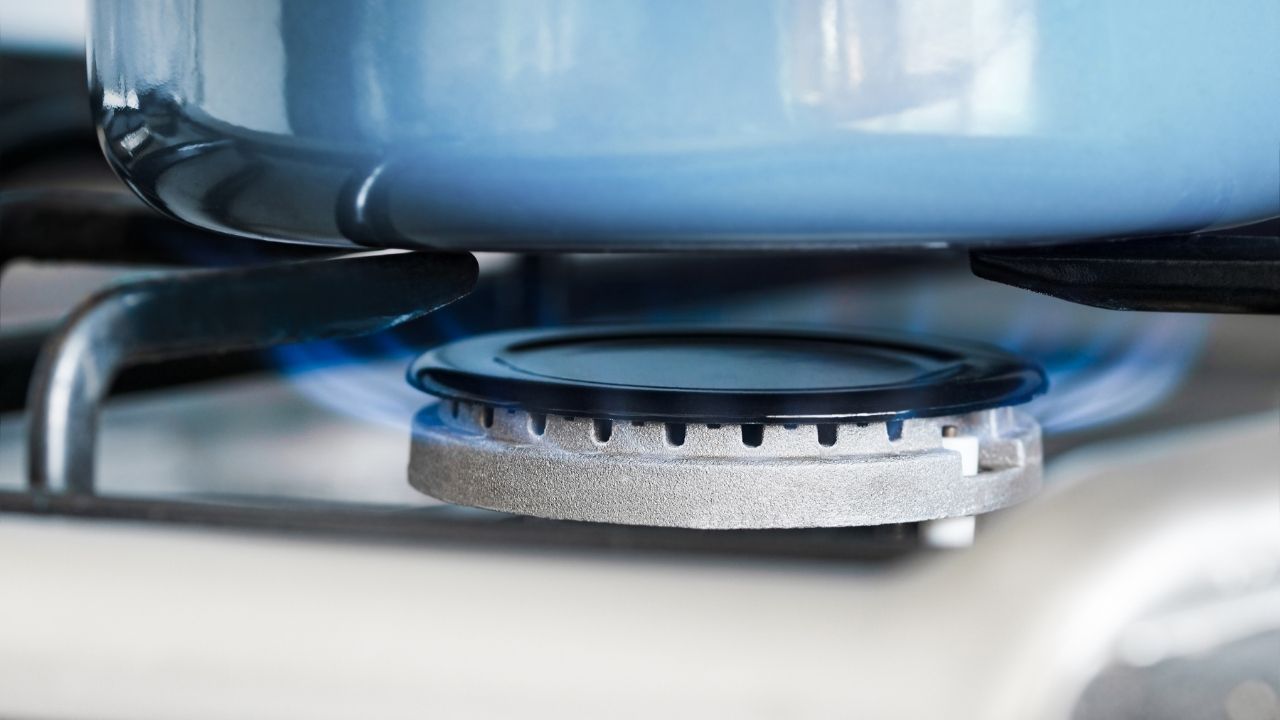
The proposal to change the distribution model of kitchen gas (LPG) in Brazil raises alarms about safety, fraud, and organized crime control.
The National Agency of Petroleum, Natural Gas and Biofuels (ANP) wants to allow gas cylinders to be sold by more agents, beyond traditional distributors, and even in fractional form, which represents a significant shift from the current legislation that requires a minimum filling of 13 kg of LPG.
“The measure could put the safety of thousands of households in the country at risk,” warns Sergio Bandeira de Mello, president of Sindigás. The fear is that the easing of regulations may lead to irregularities and increase the risks of domestic accidents involving gas cylinders.
-
Oil production grows in Rio, but reserve replacement raises a warning sign

-
Petrobras is expected to complete the drilling of the Morpho well in the Foz do Amazonas in August 2026, the first well in the Equatorial Margin, an oil frontier that the ANP estimates at more than 30 billion barrels and could redraw the map of Brazil.

-
Oil returns to the center of concerns with tension between the US and Iran

-
IEA reduces forecast for global oil demand in 2026 after impacts of the Middle East crisis



Brazil: One of the Largest Kitchen Gas Markets in the World
In 2024, the country consumed more than 400 million gas cylinders, corresponding to 7.6 million tons of LPG, supplying 91% of Brazilian households. These numbers position Brazil as the seventh largest kitchen gas market for residences globally and the 11th in overall consumption.
The current model, according to the ANP, guarantees traceability and safety: each gas cylinder is requalified, receives technical assistance, and has the distributor’s mark embossed on it.
“Each distributor can only sell its own brand, which facilitates monitoring and prevents adulteration,” explains the agency.
Easing Regulations: What is the Danger?
The new ANP proposal allows distributors to sell gas cylinders of any brand, raising concerns among experts.
It is estimated that over 80 million gas cylinders in circulation are old, manufactured before 2005, without serial numbers or traceability.
Furthermore, the fractional sale of kitchen gas could facilitate fraud, adulteration, and even organized crime actions, according to Sindigás.
“Consumer trust in the brand and quality of the gas cylinder is essential for domestic safety,” reinforces Bandeira de Mello.
The Opinion of the Population
A survey by Instituto Locomotiva, conducted with 1,500 people across the country between June 5 and 9, revealed that 94% of Brazilians oppose the easing of kitchen gas regulations, prioritizing safety over price.
According to the survey:
97% believe that the brand ensures quality;
93% see a risk of adulteration in fractional sales;
83% advocate that current regulations should not change.
The study highlights that the population fears purchasing gas cylinders without a reliable weight standard or provenance, underscoring the importance of maintaining current regulation.