Portuguese
  Spanish


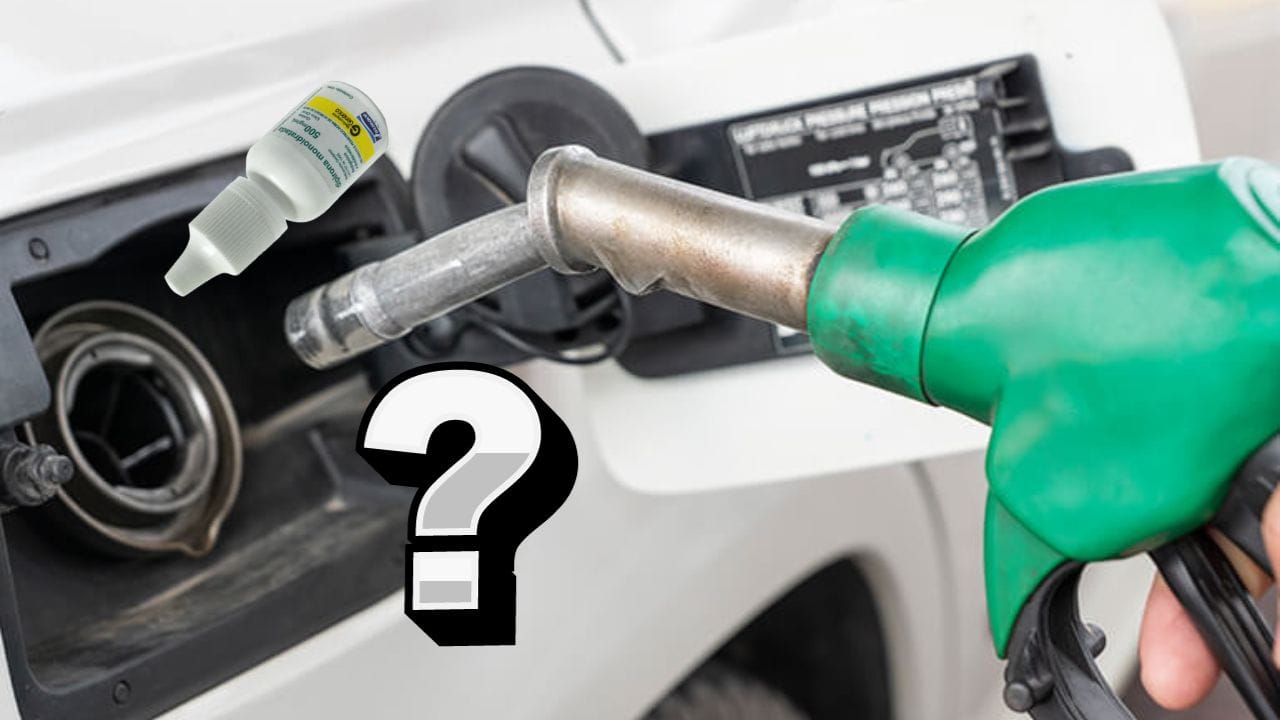

Tank Economy or Headache? We Tested the Famous Recipe of Gasoline with Dipyrone!
A story that’s going around on social media and making people curious: does mixing dipyrone in gasoline make the car more fuel-efficient? Some people swear it does, but is it true? Let’s find out!
To clarify this story, we conducted a practical test. We used the same brand of dipyrone that’s trending on social media and followed the recommended proportion: one small bottle for every 10 liters of gasoline. The goal? To see how this mixture burns and if it can really bring any savings.
Analyzing the Burn: What Happens with the Mixture?
We set fire to the pure gasoline and the mixture with dipyrone, and right away, we noticed a difference in the flame: the mixture with dipyrone burned with a lower flame. But does that mean a more efficient or longer-lasting burn? Let’s see!
-
At 14 years old, she worked in a factory in Hong Kong, studied economics abroad, and then entered the Chinese real estate market, which helped change the landscape of Beijing.

-
While NATO secured more than $10 billion in missiles and space surveillance at a single forum, Brazil still spends 1.1% of its GDP on defense and is stalling its own anti-aircraft system.

-
Corn ethanol attracts R$ 23 billion in 21 new plants and prepares for a nearly 50% jump in Brazilian production by 2027, even with high interest rates.
-
A newly opened terminal in the middle of the Amazon has begun transporting soy and corn through Amapá, eyeing the queue of ships that is congesting the ports in the South.


After a while, the pure gasoline was still burning, while the flame of the mixture with dipyrone had already gone out, leaving residues at the bottom. This may be a sign that the mixture doesn’t burn completely, which could create deposits in the car’s engine. There was a channel on Youtube that also tested it; see the result below.
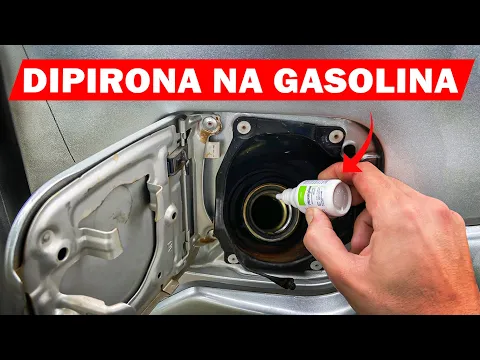

Is It Worth the Risk?
Look, everyone, after seeing the results, I even felt hesitant to test this in the engine of a car. The mixture did not burn completely and still left residues. This could signal problems for the engine and the fuel injection system, especially after the car cools down.
So, have you ever put dipyrone in the tank of your car? Did you experience any benefits or just headaches? Share with us in the comments! Your experience could help many people who are considering doing this test.